Drone Strikes Ignite Fires at Oil Facilities in Russia’s Rostov and Saratov Regions
Recent UAV attacks have caused fires at key fuel storage and refining sites, highlighting vulnerabilities in Russia's energy infrastructure.
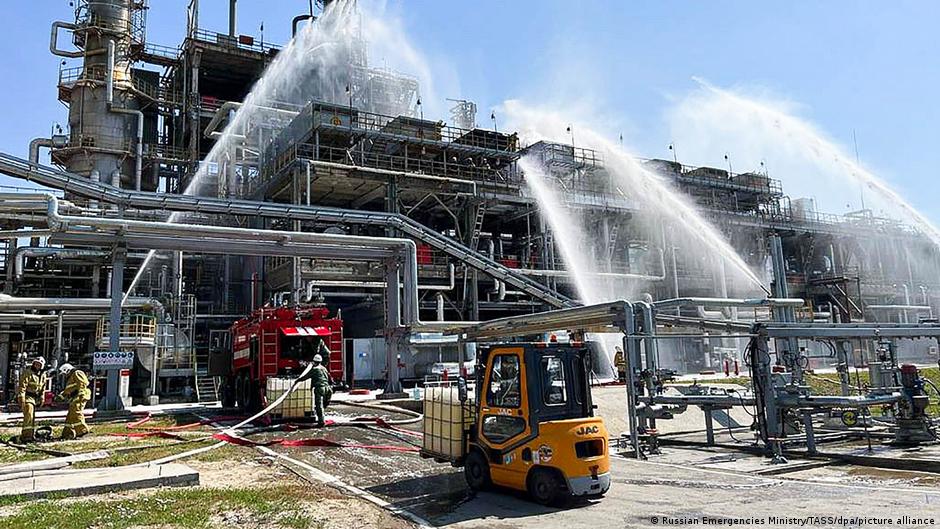
In the early hours of May 31, drone attacks resulted in significant fires at oil-related facilities in Russia's Rostov and Saratov regions. The incidents underscore growing security challenges facing critical energy infrastructure amid ongoing regional tensions.
Details of the Incidents and Immediate Impact
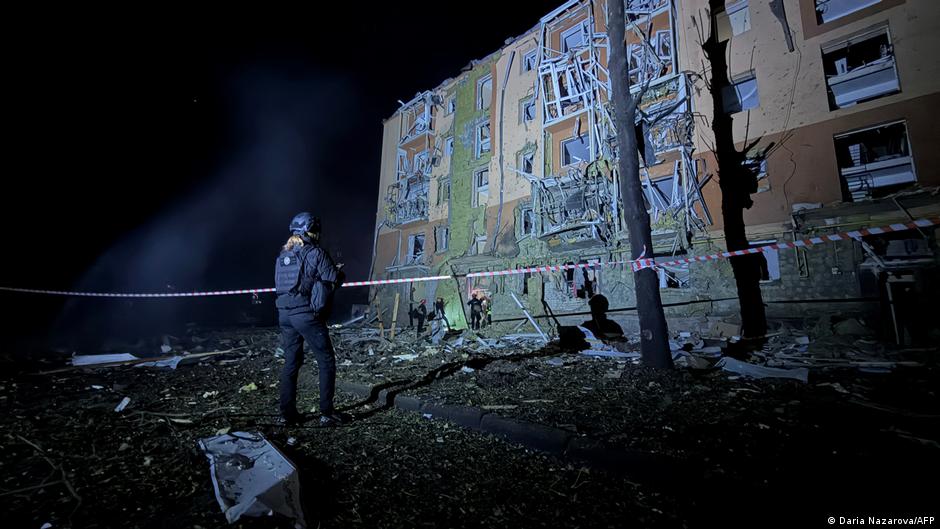
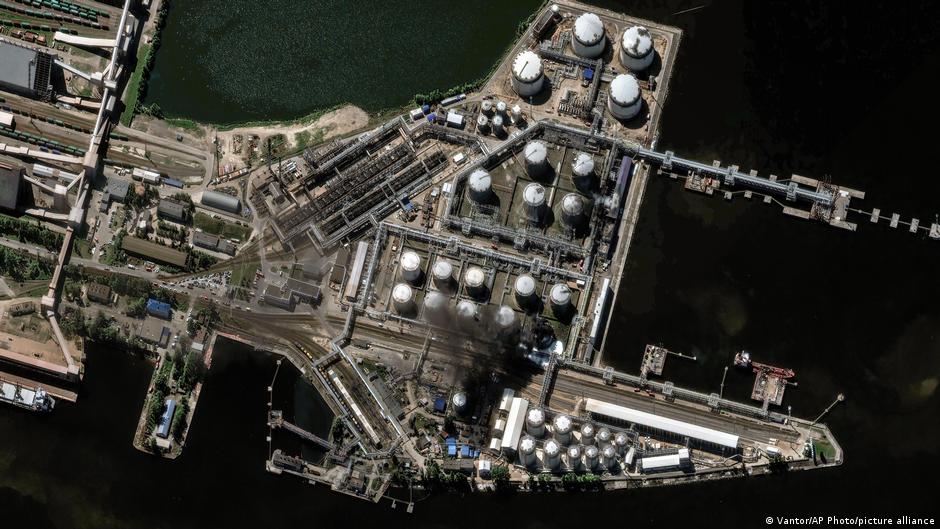
According to statements from regional authorities, a drone strike led to a fire at a private fuel storage facility in the Matveyev-Kurgan district of Rostov Oblast. Governor Yuriy Slyusar reported that debris from the unmanned aerial vehicle caused the blaze at a depot servicing agricultural producers. Evacuations were conducted for residents of nearby private homes as a precautionary safety measure, although no casualties have been reported.
"Emergency services arrived promptly, including a firefighting train, and have begun extinguishing the fire," Governor Slyusar noted via his Telegram channel.
The attack also damaged an area pharmacy, two stores, and a vehicle within the village, but no injuries were confirmed. Local Telegram sources indicated that following the strike on the fuel reservoir, an unusual "oil rain" phenomenon was observed in the vicinity.
Simultaneous Attack in Saratov Region Raises Strategic Concerns
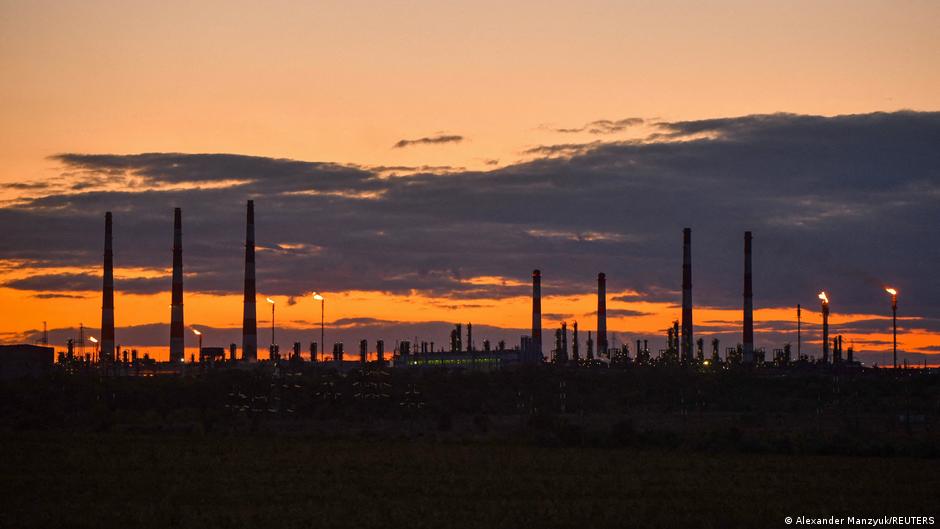
In parallel, authorities in Saratov Oblast reported damage to civilian infrastructure after a nighttime assault. Governor Roman Busargin indicated that preliminary assessments show no casualties yet confirmed harm to several structures. While details remain sparse, open-source intelligence channels suggest the target was the Saratov Oil Refinery, a site that has faced repeated attacks in the past.
Photographic and video evidence circulated on social media purportedly depict the aftermath of a fire at the refinery, amplifying concerns about the vulnerability of key energy processing assets in the region.
Economic and Strategic Implications
These attacks on oil storage and refining facilities represent more than isolated incidents of sabotage. They highlight a strategic disruption to Russia's energy supply chain, which plays a vital role not only in domestic fuel provision but also in the broader geopolitical economy.
The Matveyev-Kurgan fuel depot serves agricultural producers, implying potential downstream effects on farming operations and regional food supply chains. Meanwhile, disruption at the Saratov refinery could directly impact fuel production volumes and distribution, compounding existing pressures on Russia’s energy sector, especially under current international sanctions and export limitations.
Historically, energy infrastructure has been a critical target in conflicts, as damage to such assets can ripple through the economy, affect civilian life, and influence political leverage. The recent drone attacks fit into this pattern, signaling evolving tactics that leverage unmanned systems to strike logistical and economic nodes.
Broader Context and Future Outlook
As these attacks continue, questions arise about the adequacy of protective measures for vital industrial assets in Russia. The use of drones introduces new challenges in defense, requiring enhanced detection and interception capabilities. Moreover, the economic repercussions may extend beyond immediate physical damage, influencing investor confidence and operational continuity.
The repeated targeting of the Saratov refinery, in particular, indicates a persistent vulnerability that could have long-term effects on regional fuel supplies and economic stability. The situation warrants close monitoring to assess the evolving risk landscape and to anticipate further structural impacts on Russia’s energy infrastructure.