Iran Accuses U.S. of Violating Ceasefire Following Seizure of Cargo Ship in Gulf of Oman
Tehran condemns U.S. naval action as piracy and breach of truce amid escalating tensions in the Gulf region.
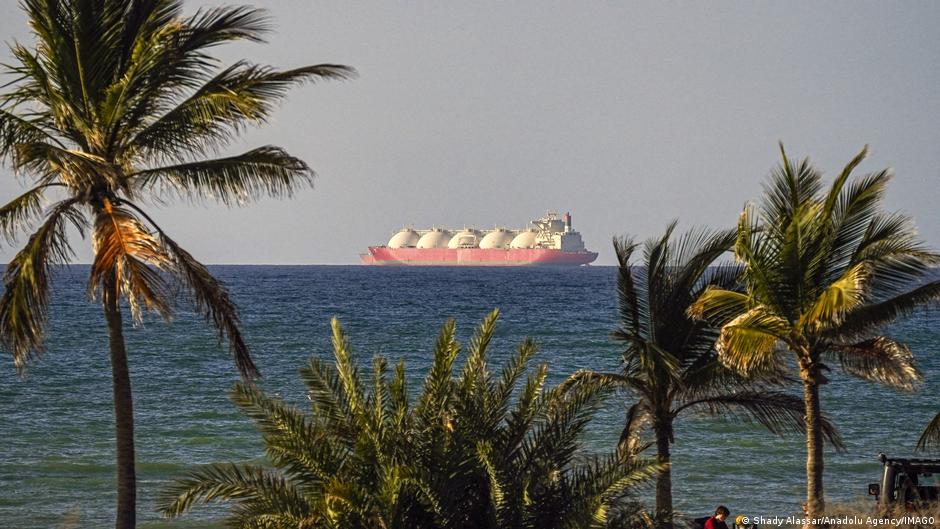
In a significant escalation of tensions between Tehran and Washington, the Iranian military’s central command has condemned the recent seizure of an Iranian-flagged cargo vessel in the Gulf of Oman by U.S. naval forces as an "act of piracy" and a violation of an existing ceasefire agreement. This development complicates the already fragile geopolitical environment in the region and casts uncertainty over prospects for renewed diplomatic negotiations.
Background and Context of the Incident
The incident occurred when the United States Navy intercepted and took control of an Iranian cargo ship navigating the Gulf of Oman. According to statements from Washington, the vessel was attempting to circumvent a U.S.-imposed maritime blockade targeting Iranian ports in the Strait of Hormuz, a strategic chokepoint for global oil shipments.
President Donald Trump publicly acknowledged the operation through his social media platform, asserting that the action was a necessary enforcement of maritime restrictions aimed at limiting Iran’s ability to conduct trade perceived as destabilizing. The United States Central Command in the Middle East (CENTCOM) corroborated the seizure.
Iran’s Response and Implications for Regional Stability
In response, Tehran’s military spokesperson, representing the Hazrat Khatam al-Anbiya headquarters, denounced the U.S. move as "aggressive" and characterized it as a breach of the ceasefire agreement that had helped to maintain a tenuous calm in the region. The statement also reported Iranian drone strikes against U.S. naval vessels as retaliatory measures, underscoring the potential for escalation.
"Aggressive America has violated the ceasefire and committed an act of maritime piracy," the Iranian military statement declared, signaling a hardened stance against U.S. presence in the Gulf.
This episode must be understood within the historical context of U.S.-Iran relations, marked by decades of mutual distrust, sanctions, and proxy conflicts. The Strait of Hormuz has frequently been a flashpoint due to its crucial role in global energy supply routes, making naval control and maritime freedom highly contested issues.
Economic and Strategic Consequences
The seizure and ensuing military posturing carry significant economic implications. The Strait of Hormuz facilitates approximately 20% of global petroleum exports. Any sustained disruptions or heightened conflict risk spikes in oil prices, increased shipping insurance costs, and potential rerouting of energy supplies, which could ripple through international markets and exacerbate global inflationary pressures.
Furthermore, the U.S. blockade of Iranian ports aims to exert maximum economic pressure on Tehran, restricting its export revenues and heightening domestic economic challenges. Iran’s refusal to engage in negotiations while the blockade persists, as reported by state sources, signals a stalemate with long-term ramifications for diplomatic solutions to nuclear and regional security issues.
Looking Ahead
The recent confrontation underscores the fragility of peace efforts and the complexity of reconciling strategic interests in a volatile region. Analysts suggest that without a calibrated approach balancing economic sanctions with diplomatic engagement, the risk of escalation remains high.
As the international community watches closely, the incident serves as a reminder of how maritime security and economic policies intertwine, influencing both regional stability and global economic dynamics.