Trump Criticizes Netanyahu Amid Escalation in Lebanon Conflict and Regional Stability Concerns
US President Trump harshly rebuked Israeli PM Netanyahu over Beirut strikes, warning of increased isolation and risks to Middle East peace.
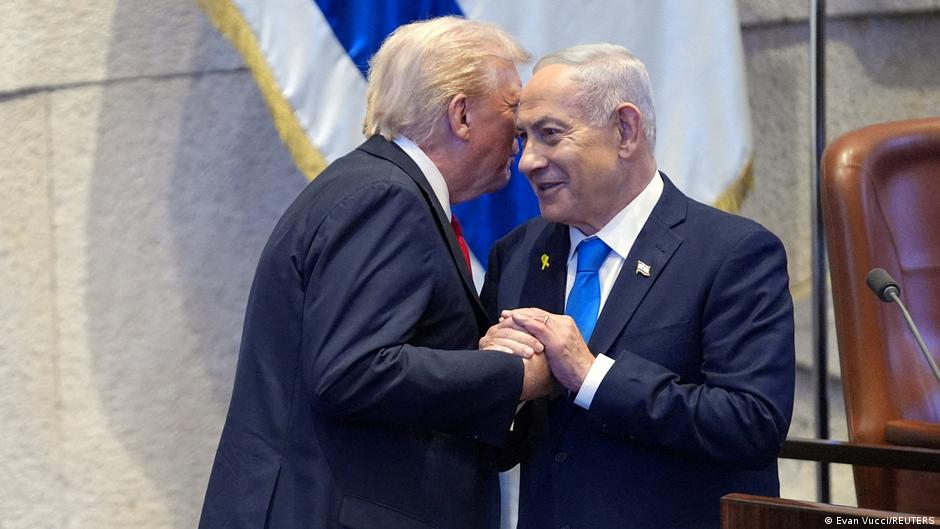
In a rare public display of discord between two long-standing allies, former US President Donald Trump reportedly reprimanded Israeli Prime Minister Benjamin Netanyahu over recent military strikes in Beirut, Lebanon. According to multiple sources, Trump used strong language during a phone call, calling Netanyahu "crazy" for jeopardizing a fragile ceasefire in the region.
Escalation of Conflict and Diplomatic Repercussions
The tensions escalated on June 1 when Netanyahu ordered the Israeli Defense Forces (IDF) to launch airstrikes targeting southern suburbs of Beirut. These operations were justified as a response to heightened threats from the Shiite militant group Hezbollah, backed by Iran. Netanyahu also expanded ground operations in southern Lebanon following Hezbollah attacks on northern Israeli territory.
"Trump expressed concern over civilian casualties and destruction of residential buildings during operations aimed at eliminating Hezbollah commanders," sources close to the US administration revealed to Axios.
The strikes and subsequent military activities have heightened fears of a broader regional conflict. The civilian toll and infrastructural damage in Beirut have drawn widespread international condemnation, complicating Israel's diplomatic standing. Trump reportedly warned Netanyahu that the aggressive military actions could increase Israel's international isolation, emphasizing that "everyone hates him." This critique marked a departure from Trump's previous supportive stance on Netanyahu.
Impact on Iran-US Negotiations and Regional Stability
The Israeli strikes have also affected Tehran's diplomatic calculus. Iran's Tasnim News Agency, known for its affiliation with the Islamic Revolutionary Guard Corps (IRGC), announced a suspension of indirect negotiations with the US mediated by third parties. Iran views Lebanon as a critical component of any ceasefire agreement, and ongoing hostilities there threaten to derail progress toward a wider détente.
Despite these claims, Trump disputed reports of a complete halt in talks, asserting on his social media platform Truth Social that negotiations continue "at a rapid pace." He further claimed to have brokered agreements with Israel and Lebanon to cease reciprocal attacks, thereby maintaining momentum in the diplomatic process.
Historical Context and Structural Implications
The confrontation epitomizes the longstanding complexities of Middle Eastern geopolitics, where local conflicts intersect with global power rivalries. Historically, Israeli-Hezbollah hostilities have periodically escalated into broader conflicts, often exacerbated by Iranian influence and American involvement.
Trump's blunt criticism of Netanyahu signals a potential shift in US policy dynamics, where unilateral military actions risk undermining delicate diplomatic efforts. The incident also highlights the structural vulnerabilities within the regional security architecture, where non-state actors like Hezbollah wield significant influence, and state actors face pressures to balance military deterrence with international legitimacy.
Economically, sustained conflict in Lebanon and northern Israel threatens to destabilize markets, disrupt trade routes, and impede reconstruction efforts critical for regional development. Moreover, Israel's growing international isolation could affect foreign investment and diplomatic partnerships, possibly reshaping economic alliances.
As the situation evolves, the interplay between military actions, diplomatic negotiations, and economic repercussions will continue to shape the Middle East's fragile equilibrium, demanding nuanced engagement from all stakeholders.