Trump Delays ‘Hellish’ Russia Sanctions, Prioritizing Ukraine Talks
The US president is withholding sweeping tariffs to preserve negotiations with Moscow and limit Russian assistance to Iran.
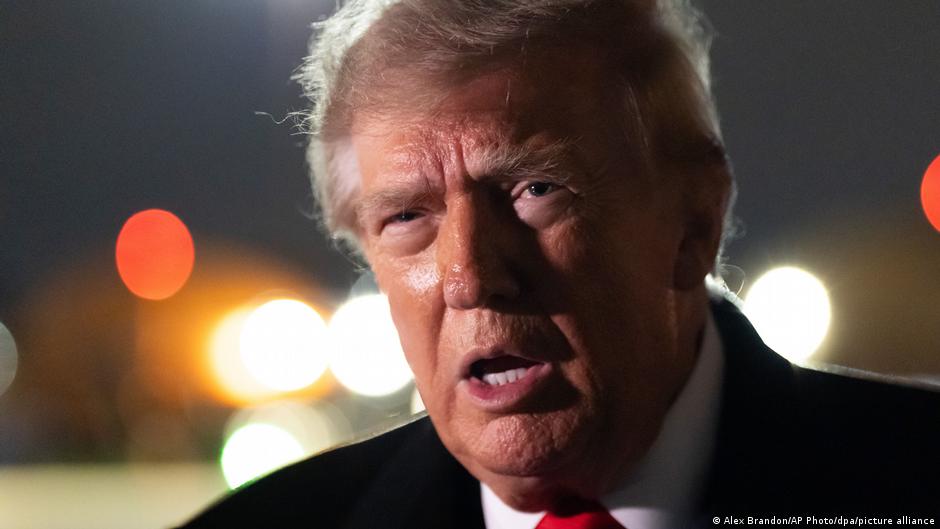
US President Donald Trump has postponed what he called “hellish sanctions” against Russia, arguing that immediate economic punishment could undermine negotiations over Russia’s war against Ukraine and encourage Moscow to deepen its support for Iran. He said he retained the option to impose the measures whenever he considered them necessary.
The decision, announced on Truth Social on Sunday, October 18, turns the threat of sanctions into a bargaining instrument rather than an automatic response. Trump presented the delay as an attempt to keep Russia at the negotiating table while preserving US leverage if talks fail.
“My decision on Russia is very simple. I am currently conducting peace negotiations on the war between Russia and Ukraine, and I do not want to take any steps that could foolishly drive Russia away from the negotiating table,” Trump wrote.
According to the president, discussions with Moscow have produced “significant progress,” including on the release of prisoners. He argued that signing the sanctions legislation now would create precisely the outcome Washington is trying to avoid, while stressing that he could approve it later “at any moment” he deemed appropriate.
Sanctions as contingent economic leverage
The legislation associated with the late Senator Lindsey Graham would impose additional tariffs of 500% on Russian goods. It would also levy tariffs of 100% on products from countries ranked among the five largest buyers of Russian oil and gas, as well as countries most actively helping Moscow circumvent existing sanctions.
That structure would extend the economic impact well beyond direct US-Russia trade. Its most consequential mechanism is the proposed pressure on third countries that purchase Russian energy or facilitate sanctions evasion. Such secondary measures can magnify US leverage, but they can also disrupt established supply chains, redirect trade and generate disputes with economies that continue to deal with Moscow.
The law required Trump to introduce the restrictions by October 18 but allowed him to suspend the process when doing so served US national interests. Trump exercised that authority on October 17. Economically, the pause preserves uncertainty: Russia and its trading partners avoid the immediate tariff shock, yet they must account for the possibility that the measures could be activated with limited notice.
This approach follows a familiar pattern in economic diplomacy. Governments have often delayed threatened penalties when negotiations appear viable, using the prospect of future restrictions to influence an opponent’s behavior. The effectiveness of that strategy depends on whether the threat remains credible. A sanction repeatedly deferred may lose force, while one imposed too quickly can eliminate the incentive for continued bargaining.
Iran and the widening strategic calculation
Trump linked the sanctions decision not only to Ukraine but also to Iran. He said Russia was providing Iran with practically no assistance, at least compared with what Moscow could provide, and that he wanted the situation to remain unchanged. In his account, immediate sanctions could weaken Russian restraint and produce consequences extending beyond the European conflict.
The statement reveals a broader trade-off in US policy. Measures designed to raise the cost of Russia’s war could also affect Moscow’s incentives in other strategic arenas. By delaying the bill, the administration is effectively assigning economic value to Russian non-assistance to Iran and treating it as part of the negotiation surrounding sanctions.
Diesel markets enter the political dispute
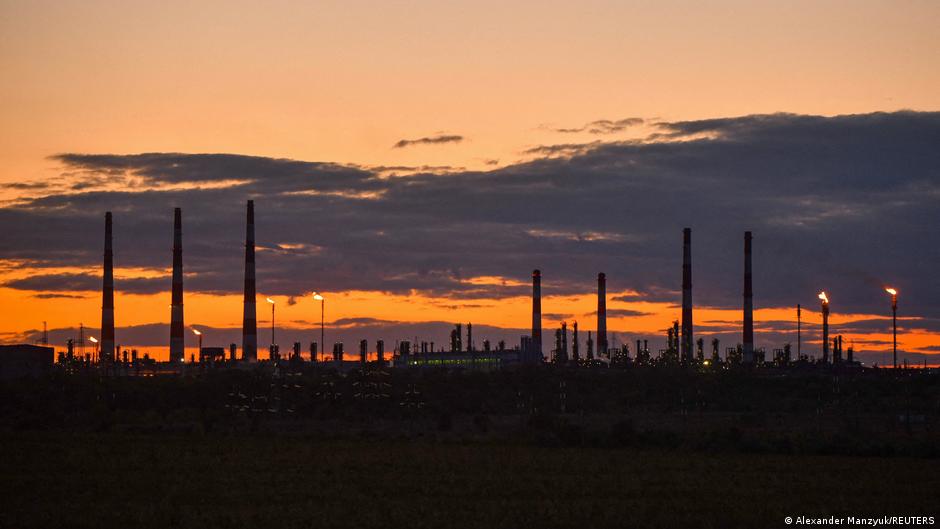
Trump also renewed his criticism of Ukrainian President Volodymyr Zelensky over Ukrainian attacks on Russian oil refineries that produce diesel fuel. He argued that Zelensky understood these strikes were causing serious damage to the global diesel market, including the US market.
The president said farmers, ranchers and businesses in numerous sectors were suffering, while Russia continued to supply millions of barrels of low-priced diesel to the world market. He accused Zelensky of disregarding those consequences. The remarks place energy prices at the center of the administration’s assessment of wartime tactics, reflecting the sensitivity of transport and agricultural costs to changes in diesel availability.
Refinery disruption can have economic effects distinct from restrictions on crude production. Diesel is a critical input for freight, farming, construction and industrial activity, meaning shortages or price increases can spread through the economy and appear in consumer prices. Trump’s position suggests that the administration views stability in refined-fuel markets as an important constraint on how economic pressure against Russia should be applied.
A high-risk balance between pressure and restraint
Trump said he wanted to end Russia’s war against Ukraine, while accusing Zelensky of lacking a genuine desire to conclude it. He claimed Ukraine could have secured a substantially better agreement two years earlier and asserted that the country was now in ruins, had lost significant territory and access to seas and oceans, and had seen its male population diminished, wounded or killed.
These statements sharpen the political pressure on Kyiv while placing responsibility for continued fighting on the Ukrainian leadership. They also indicate that Trump’s sanctions strategy is tied to his judgment about both parties’ willingness to compromise, rather than being directed exclusively at Moscow.
The delay therefore carries two competing economic messages. It signals restraint to Russia and offers an incentive to remain engaged in negotiations, but it also leaves an unusually severe tariff package ready for possible deployment. The proposed 500% and 100% duties could transform the commercial relationships of Russia and its major energy customers if activated.
For markets, the immediate outcome is a reprieve rather than certainty. Energy traders, agricultural producers and businesses dependent on diesel avoid a new round of disruption for now. Yet the president’s insistence that he can impose the measures whenever he chooses means geopolitical developments may continue to generate substantial policy and price risk.