Greece Significantly Increases Schengen Visa Denials to Russian Tourists Amid EU Policy Shifts
Amid tightening EU rules on Russian visas, Greece reports up to 70% refusal rates for Russian Schengen visa applicants in peak season.
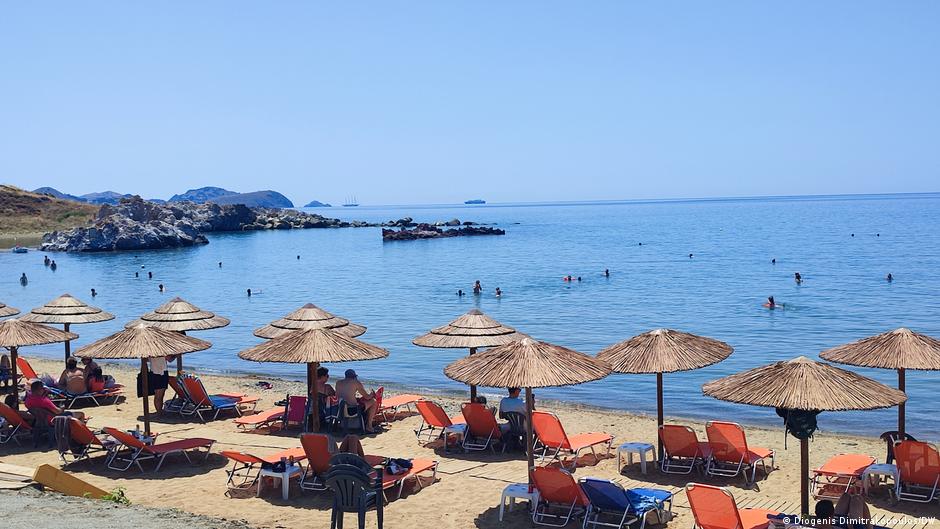
In 2025, Greece has notably intensified its refusal rate for Schengen visa applications from Russian citizens, with some tour operators reporting denial rates reaching 50%, while independent travelers face rejections as high as 70%. This development marks a sharp departure from previous years and reflects broader structural changes in European Union visa policy towards Russia.
Rising Visa Rejections and EU Policy Context
The Association of Russian Tour Operators (ATOR) disclosed on July 29 that Greece has been systematically denying Schengen visas to Russian nationals. The spike in denials appears across the board, affecting both group tourists with confirmed bookings and independent travelers. Disturbingly, rejections have also been issued to applicants who present substantial evidence of ties to Russia, such as property ownership and stable financial documentation.
“Direct refusals in these volumes have not been observed previously,” noted a Russian travel agency, underscoring the abruptness and scale of the new restrictions.
According to official statistics, Greece issued approximately 59,000 visas to Russian citizens in 2025, with 41.6% being multiple-entry visas. However, visa refusals to Russian applicants climbed to 11.2%, nearly doubling the average Schengen zone rejection rate of 6.4%.
Broader Trends in Russian Schengen Visa Issuance
Despite the increased visa denials, Russian citizens overall received over 620,000 Schengen visas in 2025, up 10% from the previous year. The number of applications also rose by 8.42%, reaching 674,000. However, the share of multiple-entry visas issued to Russians plunged sharply from 57% to 12% within just two months, a direct consequence of the European Commission's November 2025 decision to restrict multiple-entry visas citing security concerns linked to the ongoing conflict in Ukraine.
Nearly 75% of all Russian Schengen visa applications were directed towards France, Italy, and Spain, which collectively issued 68% of the visas granted to Russian nationals. While Italy reduced its visa issuance to Russians by 5.8% and Spain maintained a steady rate, France expanded its issuance by nearly 30%, granting around 173,000 visas in 2025.
Economic and Structural Implications
The EU’s policy tightening not only disrupts the travel plans of Russian tourists but also reshapes the economic landscape of tourism across Europe. Greece’s popular tourist sector, historically reliant on Russian visitors, confronts significant uncertainties. The decline in multiple-entry visa issuance forces Russian travelers to submit frequent applications, increasing administrative costs and reducing travel flexibility.
The policy shift reflects broader geopolitical dynamics that intersect with economic flows, illustrating how international conflicts can ripple through tourism and cross-border mobility. The sudden rise in visa rejections could strain Greek travel agencies and related industries, already adapting to post-pandemic global travel shifts.
As the European Union balances security concerns against economic interests, the future of Russian tourism in Europe remains uncertain, with potential long-term shifts in travel patterns and bilateral relations.