UK and Netherlands Expand Ukraine Aid With Winter Defense Focus
New British and Dutch commitments combine urgent military support with export finance, energy repairs and longer-term reconstruction funding.
Britain and the Netherlands have announced substantial new assistance for Ukraine, pairing immediate winter defense needs with financial instruments intended to sustain trade, investment and reconstruction. The commitments illustrate how European support is evolving from emergency transfers into a broader economic framework that spans military resilience, public infrastructure and private-sector participation.
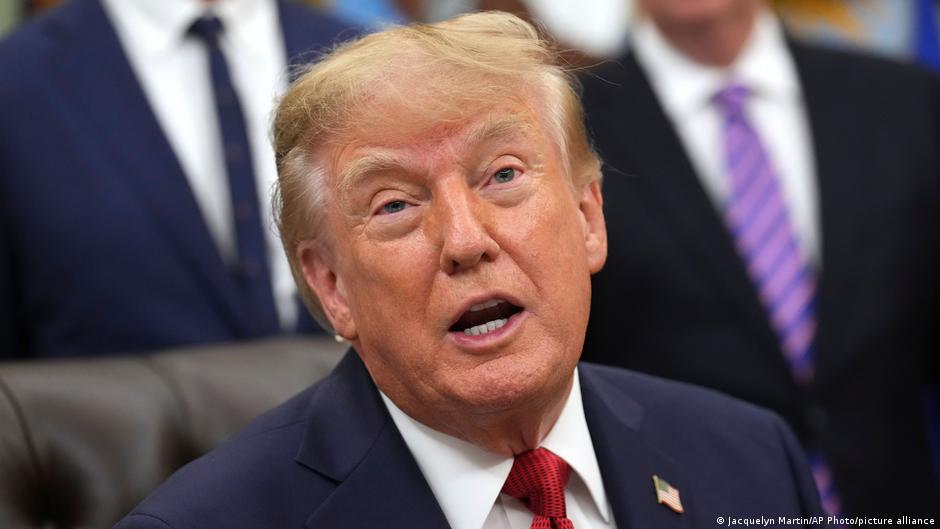
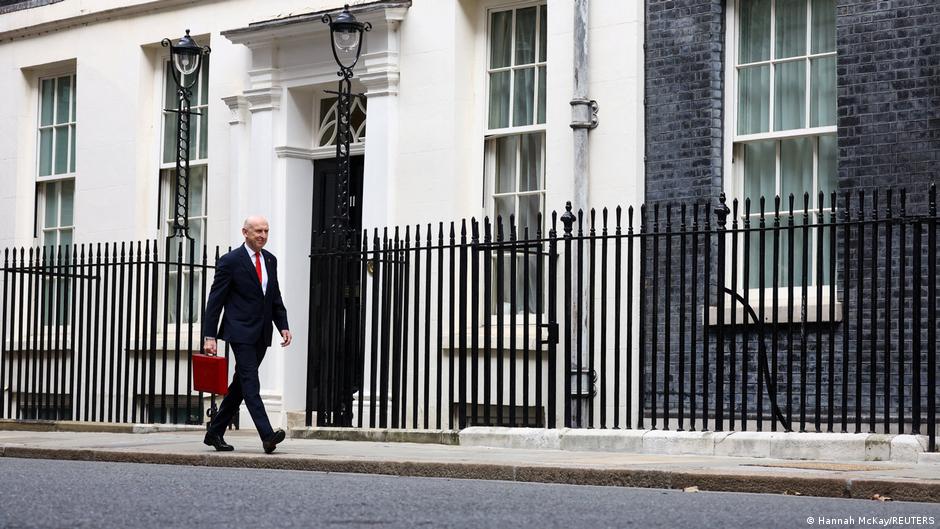
London will provide an additional £10 billion, equivalent to about €12 billion, according to British Finance Minister John Healey. Speaking in the House of Commons, the lower chamber of Parliament, Healey said the package would include loans, export finance guarantees and £500 million in emergency military assistance for the coming winter.
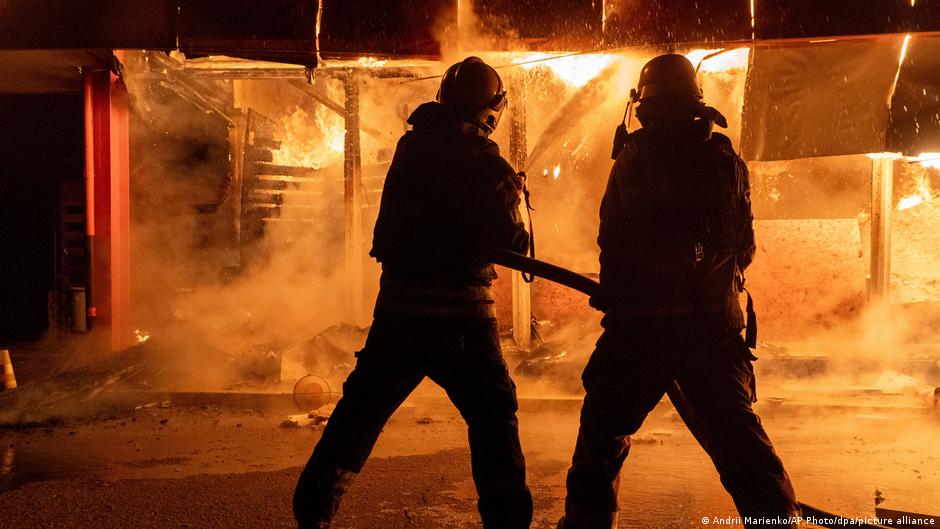
A British government spokesperson quoted by Reuters said the £500 million component was intended to address gaps in Ukraine’s air defenses that require urgent attention. That focus reflects the economic importance of protecting cities, power networks and productive assets during winter: damage to energy infrastructure can disrupt industrial output, increase fiscal pressure and force governments and businesses to spend scarce capital on emergency repairs rather than investment.
From emergency aid to economic risk-sharing
The structure of the British package matters as much as its headline value. Direct military assistance responds to immediate security requirements, while loans and export finance guarantees distribute economic risk between the state and private actors. Such guarantees can support transactions that commercial lenders or exporters might otherwise regard as too exposed to wartime uncertainty.
For Ukraine, this approach potentially helps preserve access to equipment, services and working capital without relying exclusively on grants. For Britain, it creates a mechanism through which public backing can mobilize a larger network of exporters and financial institutions. Historically, governments have used credit guarantees during periods of geopolitical disruption to keep strategic trade channels open when private risk appetite contracts.
Healey said that he and British Prime Minister Andy Burnham had spoken with Ukrainian President Volodymyr Zelensky before the parliamentary announcement. According to Healey, Zelensky responded to the news of the additional £10 billion by saying:
“You made my day.”
Zelensky later described the British financial and military assistance on Telegram as a “really powerful and timely step.” He said Moscow must see and feel that Ukraine would not be left alone with the problems Russia was seeking to expand. Every measure strengthening Ukraine, he added, brought Russia closer to understanding that it had to end the war.
The Ukrainian president also said sanctions policy was discussed with Burnham. Britain would continue to maintain a principled position on the issue, Zelensky said, calling it an important example for the world. The announcement came after Russia’s Foreign Ministry said on October 27 that Moscow was adding seven representatives of British defense factories to its stop list in response to what it called London’s hostile anti-Russian course.
Dutch funding links defense and reconstruction
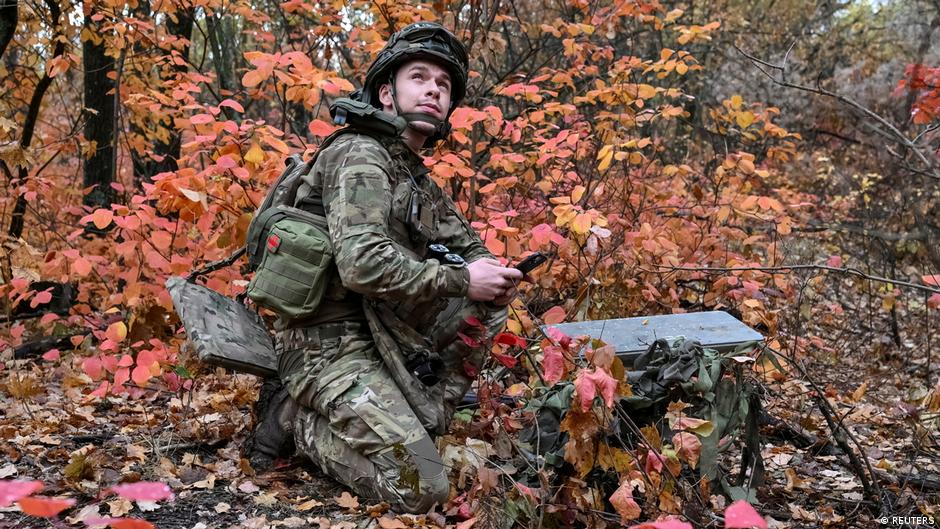
The Netherlands is adopting a similarly layered approach. Following a meeting with Zelensky in The Hague on October 28, Dutch Prime Minister Rob Jetten announced €500 million in military assistance for the coming winter. Reuters reported that the funding was expected to finance drones and other materials required to strengthen Ukrainian defenses.
The Dutch government will also provide €1.2 billion in nonmilitary assistance over the next three years. Of that total, €380 million is designated for reconstruction in 2027, followed by €410 million in both 2028 and 2029. The multiyear schedule gives the commitment a different economic function from emergency military aid: it offers a degree of visibility for reconstruction planning, procurement and investment.
Part of the Dutch funding is to be directed to funds that help Netherlands-based companies invest in Ukraine’s reconstruction. Additional money will support urgent repairs to Ukrainian energy infrastructure and purchases of machine tools for industry. The combination places private investment, energy security and industrial capacity within the same policy framework.
This sequencing is economically significant. Energy repairs can restore the basic conditions required for production, while machine tools can expand the capacity of domestic industry. Support for Dutch corporate participation may also connect reconstruction spending to European supply chains, although the wartime security environment remains a central constraint on investment.
Air defense as economic infrastructure
Zelensky also said on X that he and Jetten met Ukrainian and Dutch companies working in defense, energy and software. Their teams were instructed to develop a special air-defense project called Bliksem.
Taken together, the British and Dutch announcements show that air defense is increasingly being treated not only as a military requirement but also as a condition for economic continuity. Protecting electricity systems, industrial facilities and urban centers reduces the risk that reconstruction spending will be repeatedly undone by new attacks.
The packages nevertheless operate on different timelines. Emergency military allocations address the approaching winter; export guarantees and corporate investment funds seek to keep commercial channels functioning; and scheduled reconstruction payments extend support into 2029. Their broader consequence will depend on implementation, including how quickly funds are deployed and whether public guarantees succeed in drawing private capital into a high-risk economy.