Kallas Urges EU Envoys to Extend Russia Sanctions Amid Oligarch Dispute
The EU is seeking to preserve its Russia sanctions regime as member states debate whether to delist Alisher Usmanov and Mikhail Fridman.
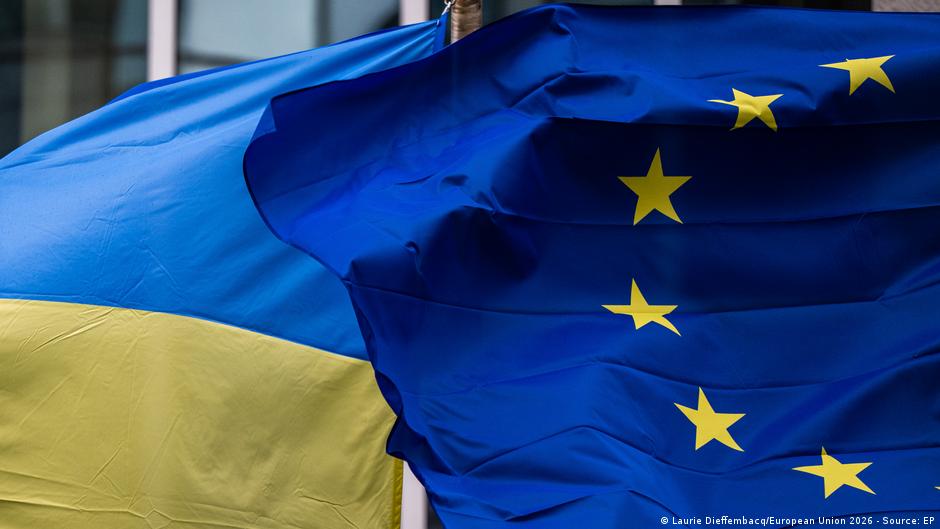
European Union foreign policy chief Kaja Kallas has urged the bloc’s permanent representatives to extend sanctions against Russia over the war in Ukraine, underscoring the political and economic weight Brussels continues to attach to restrictive measures as a central instrument of pressure on Moscow.
Speaking to journalists in New York on Monday, September 21, Kallas said sanctions remain an essential part of the EU response to Russia’s war and are intended to deprive Moscow of financing. Her comments came ahead of a new meeting of the permanent representatives of EU member states, after ambassadors had earlier failed to agree on a routine six-month extension of measures tied to Russia’s violation of Ukraine’s territorial integrity.
“Sanctions are a key element of our response to the war unleashed by Russia,” Kallas said, describing them as a tool designed to limit Moscow’s access to funding.
According to Kallas, as cited by AFP, representatives of EU countries are trying to complete negotiations on the extension of sanctions against Russia in the near term and ensure that the measures enter into force quickly. She also stressed that the EU’s position has not changed and that Brussels is already working on a new sanctions package.
A procedural deadline with strategic implications
The next meeting of EU permanent representatives is scheduled for the morning of September 22, according to a DW correspondent in Brussels citing an EU diplomat. At that session, diplomats are expected to discuss both the possible removal of Russian billionaires Alisher Usmanov and Mikhail Fridman from the sanctions list and the preservation of restrictive measures against thousands of other individuals and organizations.
The dispute illustrates how sanctions policy, while often presented as a unified strategic response, depends on repeated political consensus among member states. On September 14, EU ambassadors were unable to agree on another six-month extension of sanctions against Russia. Instead, they decided to prolong the existing regime only for the duration of further consultations, until midnight on September 22.
For financial markets and sanctioned entities, such deadlines are more than diplomatic procedure. The renewal cycle determines whether asset freezes, travel bans and related restrictions remain legally in place. Any uncertainty around renewal can create pressure points for lobbying, litigation and national bargaining within the EU framework.
The oligarch question
Sources speaking anonymously to DW said the disagreements were linked to Slovakia’s push to remove Usmanov and Fridman from the sanctions list. France, in turn, blocked the extension of the sanctions regime while seeking the removal of Usmanov. Reuters reported on September 21, citing diplomatic sources, that Luxembourg also supported lifting restrictive measures on Fridman.
The debate over individual names exposes a broader tension in sanctions policy: whether the EU can maintain broad economic pressure on Russia while handling legal, political and evidentiary challenges related to specific individuals. Sanctions against high-profile business figures have been part of the bloc’s effort to target networks viewed as connected to Russia’s state power, war economy or political system. But the durability of those measures depends on member-state unity and on the ability to defend listings over time.
From an economic-policy perspective, the issue is not limited to two billionaires. The EU sanctions regime has become one of the most expansive tools used by Brussels in response to the war, reaching individuals, companies and sectors connected to Russia’s ability to finance or sustain military action. The possible delisting of prominent figures would therefore be watched not only as a legal or diplomatic development, but also as a signal about the cohesion of the sanctions architecture.
Ukraine warns against easing pressure
Ukraine has reacted critically to the possibility that sanctions could be lifted from both Russian billionaires. Ukrainian Foreign Minister Andrii Sybiha said Usmanov and Fridman were included in sanctions lists because of their connection to what he described as the Russian aggressive regime waging a war of conquest against Ukraine. Since then, he said, nothing has changed.
Kyiv’s response reflects the importance Ukraine places on maintaining external economic pressure on Russia. For Ukraine, sanctions are not only punitive measures but also part of a wider strategy to constrain the resources available to Moscow. Any narrowing of sanctions lists is therefore likely to be interpreted through the lens of whether it weakens political resolve inside the EU.
The current dispute also highlights a recurring feature of sanctions regimes in modern economic history. Measures initially adopted in moments of crisis often become long-running systems requiring regular renewal, legal review and political management. Over time, questions shift from whether sanctions should exist at all to how far they should reach, how names are justified, and what costs member states are prepared to accept in preserving unity.
Kallas’s intervention suggests that the EU’s top diplomatic leadership wants to keep the focus on the broader strategic objective: sustaining pressure on Russia while the war in Ukraine continues. Yet the debate among member states shows that even established sanctions regimes remain vulnerable to internal negotiation, especially when individual listings become bargaining points.
If the ambassadors agree to extend the measures, Brussels will avoid an immediate rupture in one of its core instruments of Russia policy. But the disagreement over Usmanov and Fridman points to a more structural challenge: the longer sanctions remain in force, the more the EU must balance political solidarity, legal defensibility and the economic consequences of a sanctions regime that now affects thousands of people and organizations.