Macron and Trump Push Ukraine Infrastructure Moratorium as War Costs Mount
The French and U.S. presidents backed efforts to shield Ukraine’s energy and civilian infrastructure while strengthening Kyiv’s air defenses.
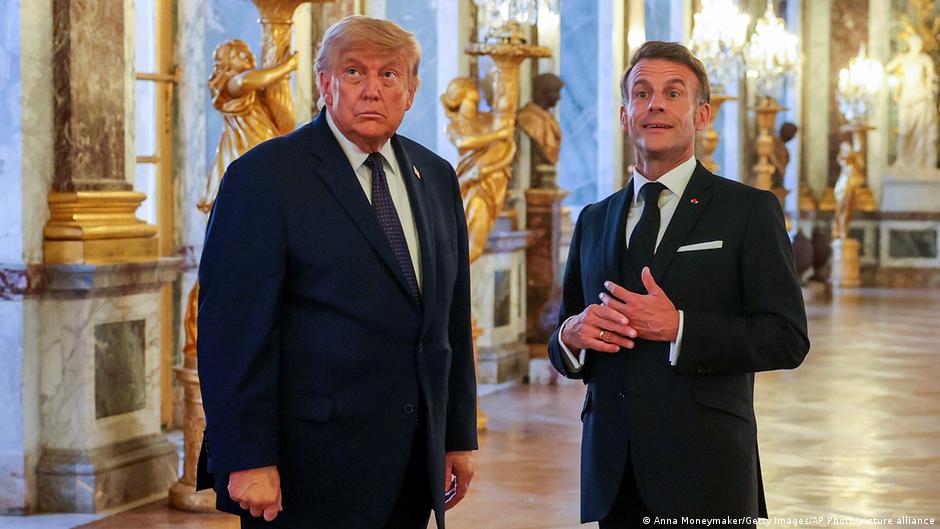
French President Emmanuel Macron said he had discussed with U.S. President Donald Trump a joint effort to secure a moratorium on strikes against Ukraine’s energy and civilian infrastructure, placing the protection of basic economic systems at the center of diplomacy over Russia’s war against Ukraine.
Macron wrote on X on Monday, September 21, that France and the United States would combine efforts to pursue a halt to attacks on energy facilities and civilian infrastructure. The initiative comes as Ukraine continues to face Russian air attacks that have repeatedly targeted the systems underpinning daily life, from electricity supply to broader public services.
“We will also combine our efforts to achieve a moratorium on strikes against Ukraine’s energy infrastructure and civilian infrastructure,” Macron said.
Macron added that civilians must be protected and that serious talks on the conditions for peace between Russia and Ukraine should begin as soon as possible. His remarks link two tracks that have often moved in parallel but not always together: immediate military protection for Ukraine and longer-term negotiations over the framework of any settlement.
Speaking to journalists after meeting Trump in New York, Macron said the two leaders had agreed on the need to help Ukraine strengthen its defense capabilities. According to the French president, that included additional interceptor missiles for Kyiv to defend against Russian aerial attacks.
Infrastructure as an Economic Front
For Ukraine, the question of protecting energy and civilian infrastructure is not only humanitarian or military. It is also macroeconomic. Power networks, transport links and civilian systems determine whether factories can operate, households can heat homes, hospitals can function and public finances can avoid further emergency strain. Damage to such assets raises reconstruction costs while reducing current output, a combination that can deepen dependence on external financing.
The proposed moratorium therefore speaks to a central feature of modern war economies: infrastructure is both a battlefield and a balance sheet. When energy assets are hit, the effects cascade beyond the immediate site of destruction. Firms face higher costs, supply chains become less reliable, and households absorb losses through outages, displacement or higher public spending needs. Even where physical repairs are possible, uncertainty can deter investment and complicate fiscal planning.
That is why the emphasis on air defense is economically significant. Additional interceptor missiles, if supplied, would not merely serve a tactical military purpose. They would function as insurance for Ukraine’s productive base and public infrastructure. Every successful interception can preserve equipment, reduce repair bills and limit the secondary economic shock that follows power disruptions or damage to civilian systems.
The Macron-Trump discussion also points to the political economy of allied support. Western governments have had to balance military assistance, sanctions, domestic budget pressures and diplomatic initiatives. A moratorium on infrastructure strikes, if achievable, would potentially reduce some immediate reconstruction pressures while also testing whether Russia is prepared to separate attacks on civilian systems from broader military operations.
Yet the proposal’s durability would depend on enforcement, verification and political will. A moratorium is only economically meaningful if it changes expectations. Businesses, households and governments plan around perceived risk. If strikes continue despite diplomatic statements, the risk premium embedded in Ukraine’s economy remains high. If attacks diminish, even temporarily, the result could be greater stability for energy management, winter planning and public expenditure.
Sanctions and the Search for Leverage
The infrastructure initiative unfolded alongside Ukrainian diplomacy in New York. According to a DW correspondent, Macron also began a bilateral meeting with Ukrainian President Volodymyr Zelensky on the evening of September 21. Before that, Zelensky met with U.S. lawmakers and thanked them for passing legislation associated with the late Senator Lindsey Graham on “hellish sanctions” against Russia.
“I want the sanctions to start working,” Zelensky said.
That statement highlights another economic front in the war: coercive pressure on Russia through sanctions. For Kyiv, air defenses protect domestic capacity, while sanctions are intended to constrain Russia’s ability to finance and sustain aggression. The two instruments operate differently but are connected. If sanctions are perceived as slow or incomplete, Ukraine’s demand for immediate military protection becomes more urgent. If infrastructure remains vulnerable, the economic benefits of external financial aid can be partially offset by recurrent destruction.
The historical parallel is clear enough without overstating it. In prolonged conflicts, the destruction or protection of infrastructure can shape the eventual negotiating environment. Energy systems in particular often become strategic targets because they connect military endurance, civilian morale and economic resilience. Ukraine’s allies, by focusing on both a moratorium and interceptors, are acknowledging that peace talks cannot be detached from the material conditions under which Ukraine enters them.
The timing gives the diplomacy additional weight. The 81st session of the United Nations General Assembly is taking place in New York from September 22 to 26, with nearly 130 world leaders expected to attend. Zelensky is also expected to meet Trump on September 22. Such gatherings rarely settle wars, but they can consolidate positions, clarify commitments and signal the economic architecture that allies are prepared to support.
For Ukraine, the immediate priorities remain concrete: fewer strikes on energy and civilian infrastructure, stronger air defense and sanctions that Kyiv believes must begin to bite more effectively. For France and the United States, the challenge is to turn diplomatic alignment into operational outcomes. In economic terms, the central issue is whether Ukraine’s partners can reduce the rate at which war destroys the country’s capital stock while increasing the cost to Russia of continuing the conflict.
Macron’s comments suggest that infrastructure protection is moving higher on the agenda as leaders gather in New York. The stakes are broader than battlefield defense. They include Ukraine’s fiscal resilience, reconstruction trajectory and bargaining position in any future negotiations over peace.