Kyiv Missile Strike Kills 21-Year-Old and Damages Urban Infrastructure
The attack highlights how damage to housing, healthcare and public transport can amplify the economic costs borne by a wartime city.
A Russian missile strike on Kyiv on the evening of Sunday, October 18, killed a 21-year-old woman and injured three other residents, according to the Ukrainian capital’s authorities. The attack also damaged buildings and part of the city’s metro infrastructure, illustrating how a single strike can produce consequences that extend beyond its immediate human toll.
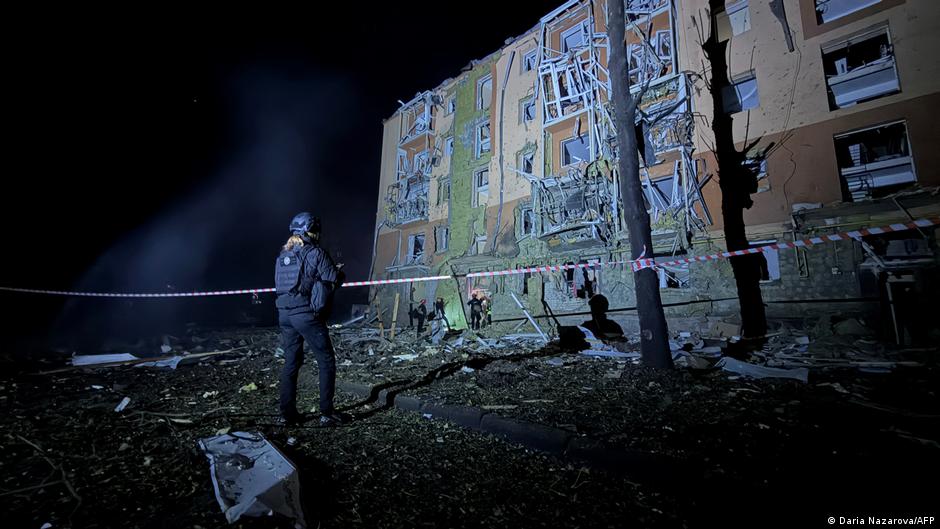
Kyiv Mayor Vitali Klitschko said an impact in the Desnianskyi district apparently struck a medical center building. In the Dniprovskyi district, a non-residential building was hit, while in the Solomianskyi district the first floor of a 25-story residential building was affected. The locations indicate damage across several categories of urban property: healthcare premises, commercial or administrative space, and housing.
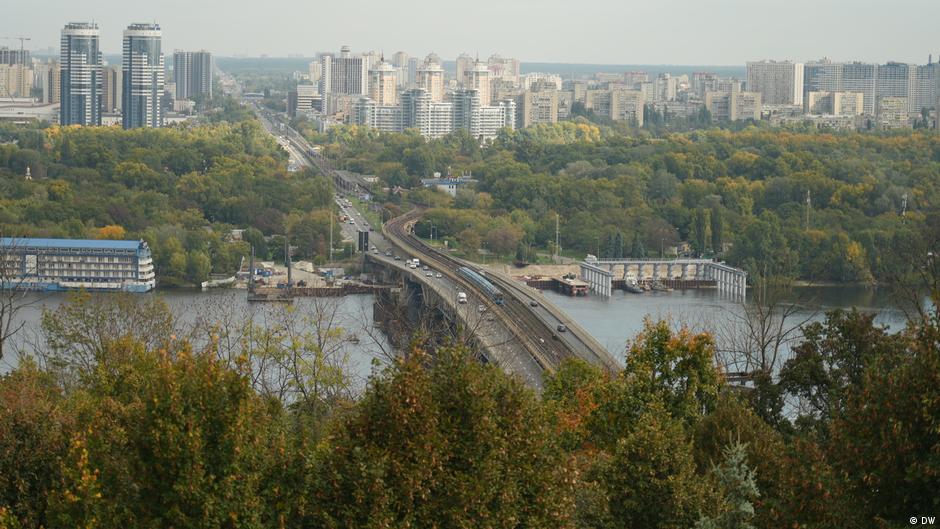
One Kyiv metro station on the left bank of the Dnipro River was also damaged. Falling debris caused a break in the rails, Klitschko said. Ukraine’s Air Force reported on the evening of October 18 that Kyiv had been attacked with a ballistic missile.
The widening economic radius of a missile strike
The direct economic effects begin with emergency response, medical treatment, structural inspections and physical repairs. Yet the broader burden can be substantially more diffuse. Damage to a residential tower may require safety assessments for the entire building, while an impact involving a medical facility can disrupt services even when much of the structure remains standing. A damaged non-residential property can interrupt the activity of organizations operating there and affect their employees, customers or suppliers.
Transport damage creates another layer of costs. A broken metro rail can force authorities to restrict or reorganize services while inspections and repairs take place. For residents, even a temporary disruption can mean longer journeys and less predictable travel. For employers, it can translate into delayed shifts, reduced accessibility and lower productivity. These losses are rarely concentrated in one municipal budget line; they are distributed among the city, businesses and households.
The economic impact of an urban attack is measured not only in destroyed property, but also in interrupted services, displaced time and the resources required to keep essential systems operating.
The geographical spread of the reported damage is also economically significant. Separate incidents in the Desnianskyi, Dniprovskyi and Solomianskyi districts require multiple local responses rather than one concentrated recovery operation. Emergency crews, transport managers, healthcare administrators and building specialists may all be mobilized at the same time. That raises coordination demands and can divert personnel and equipment from routine maintenance or other public needs.
Infrastructure resilience carries a recurring price
Cities depend on interconnected networks, and wartime damage exposes the economic importance of redundancy. Metro lines, hospitals and large residential buildings are not isolated assets: they support commuting, access to care and the functioning of labor markets. When one part of the network is impaired, pressure shifts elsewhere. Alternative transport must absorb more passengers, other medical facilities may face additional demand, and households may need temporary accommodation or assistance.
Historically, urban economies under bombardment have faced a dual obligation: repairing visible destruction while financing continuity. The same public institutions that replace rails or inspect damaged buildings must also maintain ordinary services. This creates a persistent allocation problem in which emergency spending competes with planned investment. Even limited physical damage can therefore postpone modernization, maintenance or social programs if resources must be redirected.
Repeated attacks can also alter private economic behavior. Households may prioritize precautionary savings and emergency preparations over discretionary purchases. Businesses may spend more on backup systems, flexible staffing and physical protection. Such measures can improve resilience, but they represent resources that would otherwise be available for expansion, wages or consumption. The result is an economic drag that may not be visible in the initial assessment of damaged square meters.
The October 18 strike demonstrates this imbalance in stark terms. The death of a young woman and the injuries suffered by three residents are the gravest consequences. Alongside them, damage to a possible medical center, a non-residential building, a high-rise apartment building and metro rails creates a chain of repair and continuity costs. Each affected site presents a different operational challenge, but together they increase the pressure on a city already required to protect essential functions during continuing attacks.
The full material cost was not specified by the authorities in the reported information. Even without a monetary estimate, however, the pattern of damage shows why the economics of urban warfare cannot be reduced to the replacement value of buildings. Lost life, injuries, disrupted mobility and strained public services combine into a wider structural burden—one carried over time by municipal institutions, employers and households.