Trump Backs Kyiv’s Role as Great-Power Diplomacy Tests Ukraine’s Agency
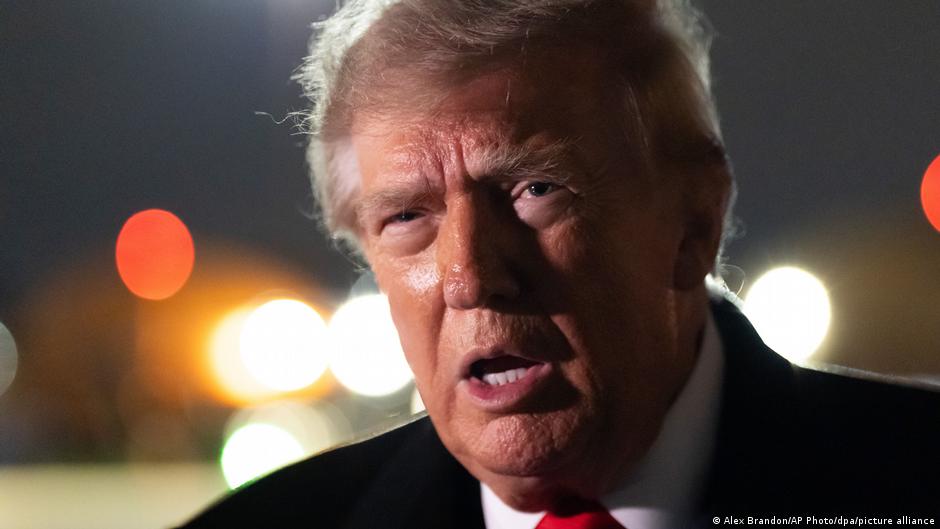
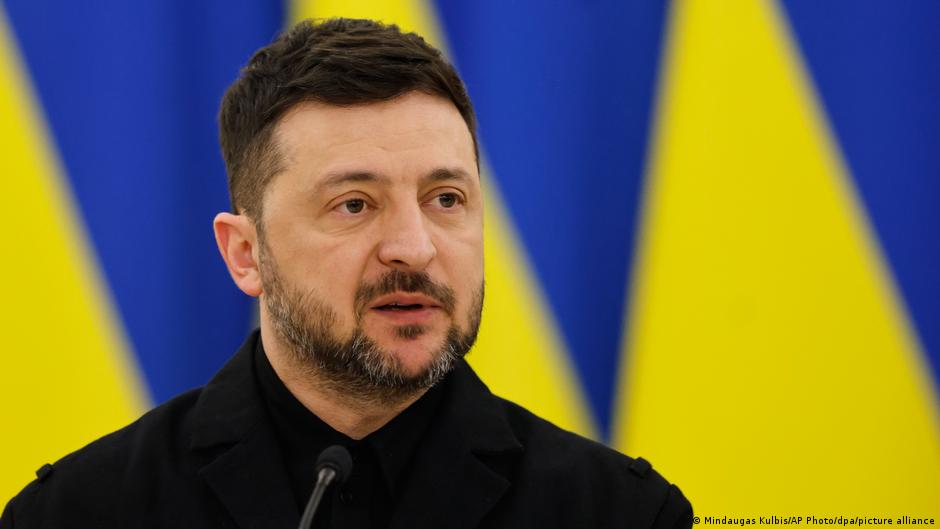
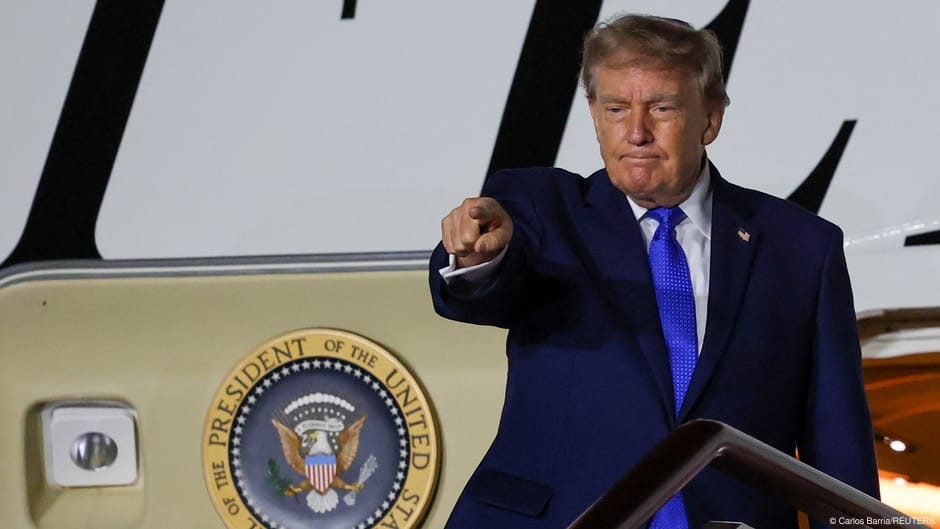
Trump endorsed Kyiv’s right to participate in decisions on the war, even as a US-China-Russia peace declaration omitted Ukraine.

Trump endorsed Kyiv’s right to participate in decisions on the war, even as a US-China-Russia peace declaration omitted Ukraine.

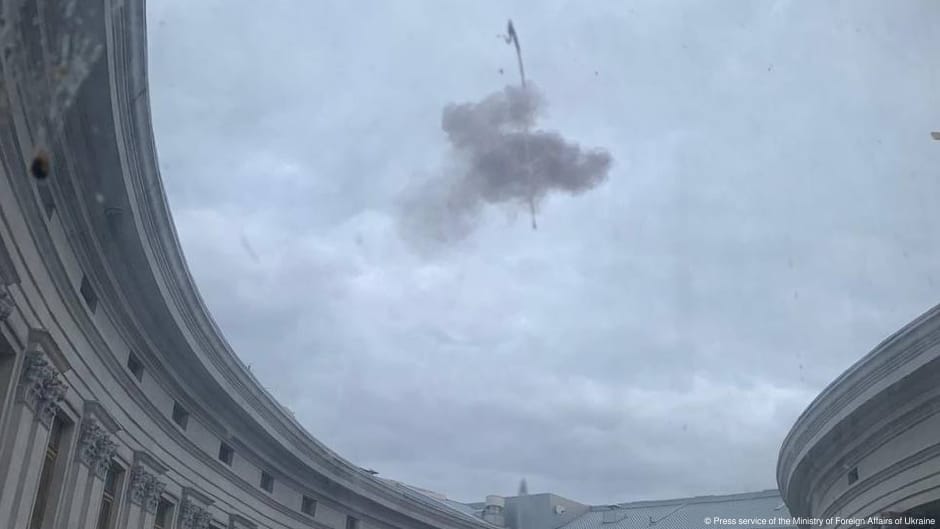
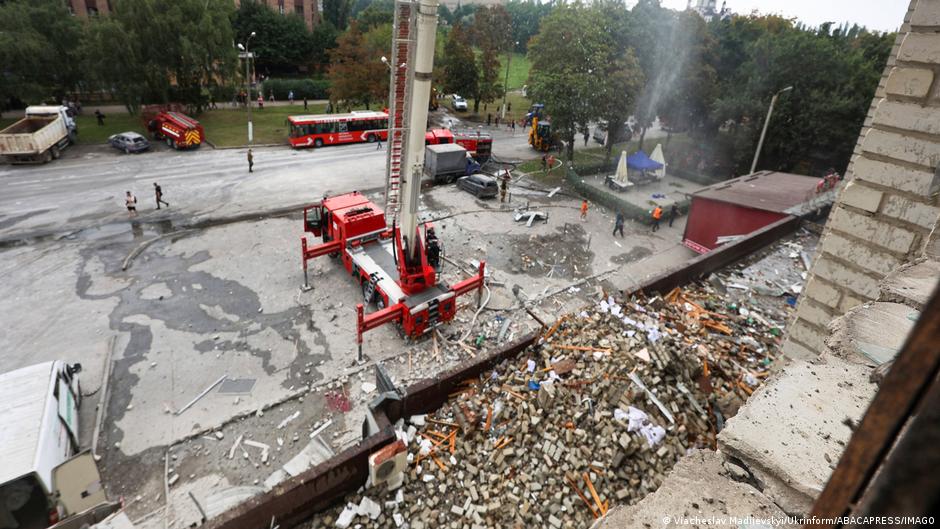
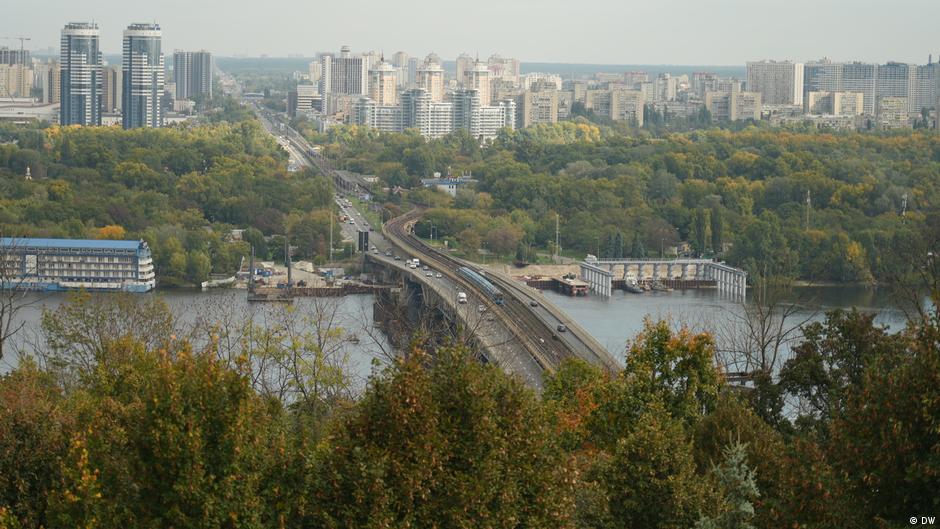
Damage to Kyiv’s bridges and infrastructure is disrupting transport and adding to the long-term economic cost of keeping the capital operational.

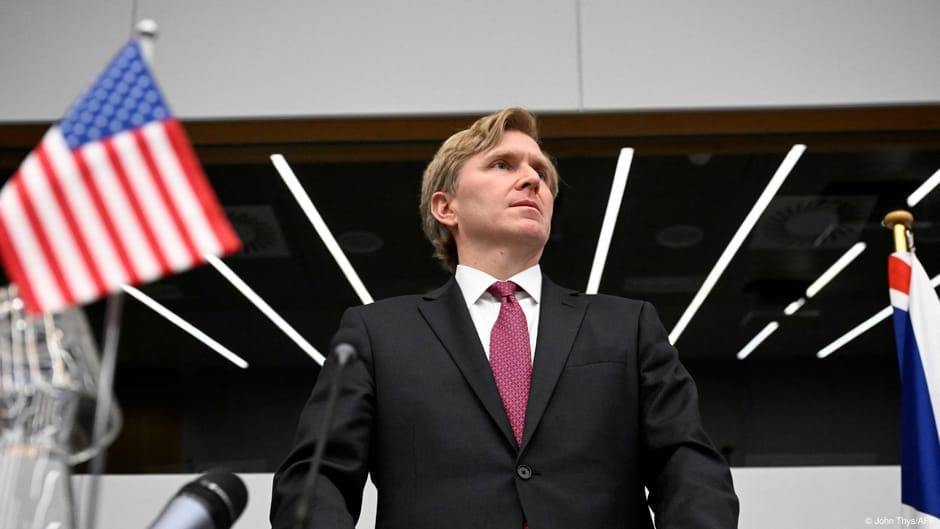
Elbridge Colby’s early exit from NATO talks exposed a growing US-European divide over Ukraine’s strikes inside Russia and the cost of sustaining the war.

Berlin talks will connect military aid and security guarantees for Ukraine with Europe’s long-term fiscal, industrial and geopolitical stability.

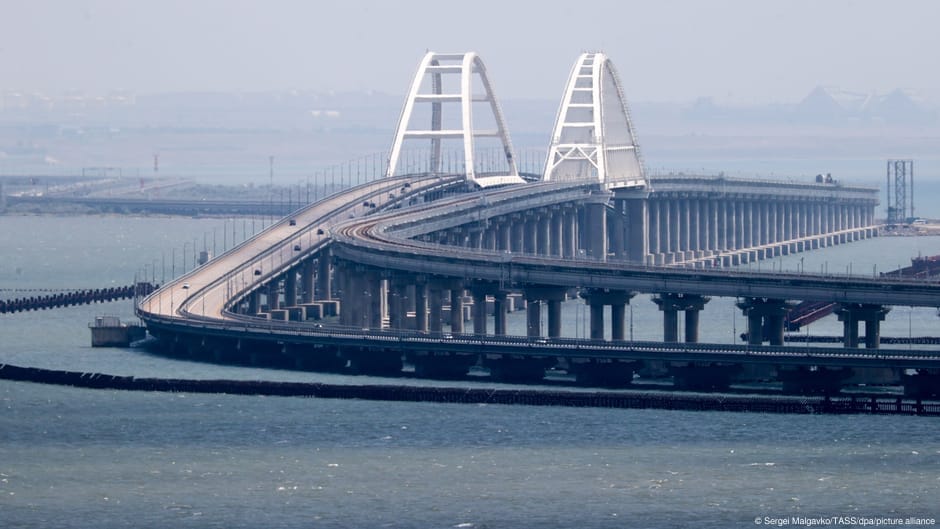
Strikes on bridges in Kyiv and the Kerch Strait deepen pressure on transport, utilities and wartime logistics while accelerating costly investment in alternative routes.

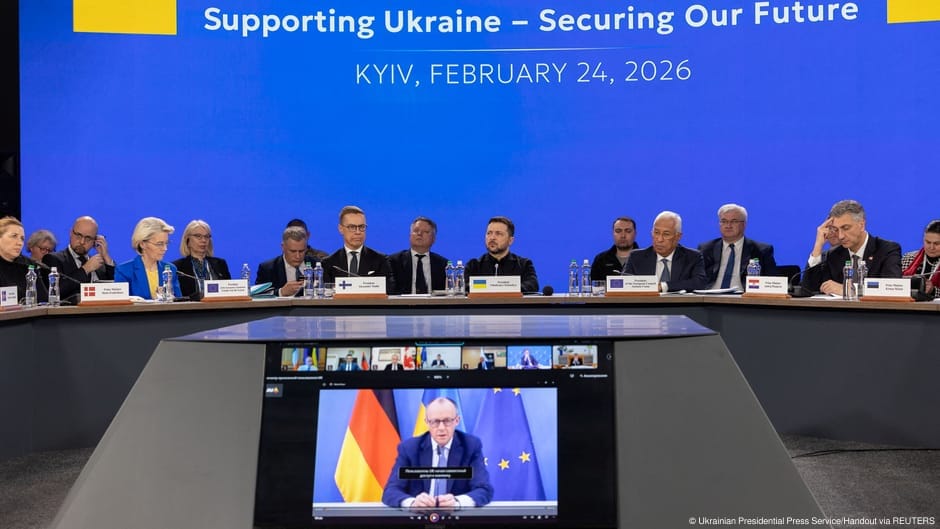
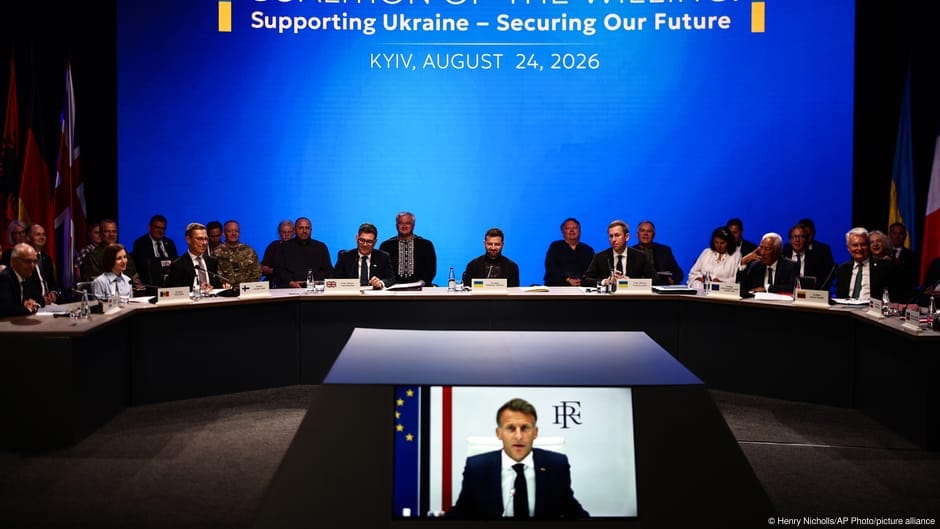
Kyiv wants a unified European negotiating position while reviewing allied coalitions and pressing for energy aid and air-defense missiles.

Washington is widening the Ukraine peace process to include Europe, linking any settlement to NATO, long-term security costs and economic credibility.

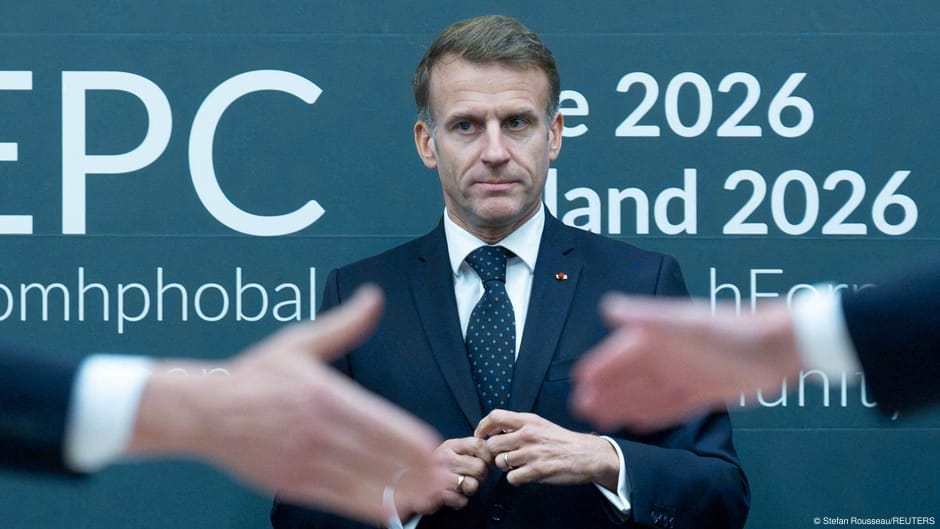
Macron says limiting aid to Ukraine risks greater long-term costs for Europe as Poland and Bulgaria cite deficits and defense pressures.

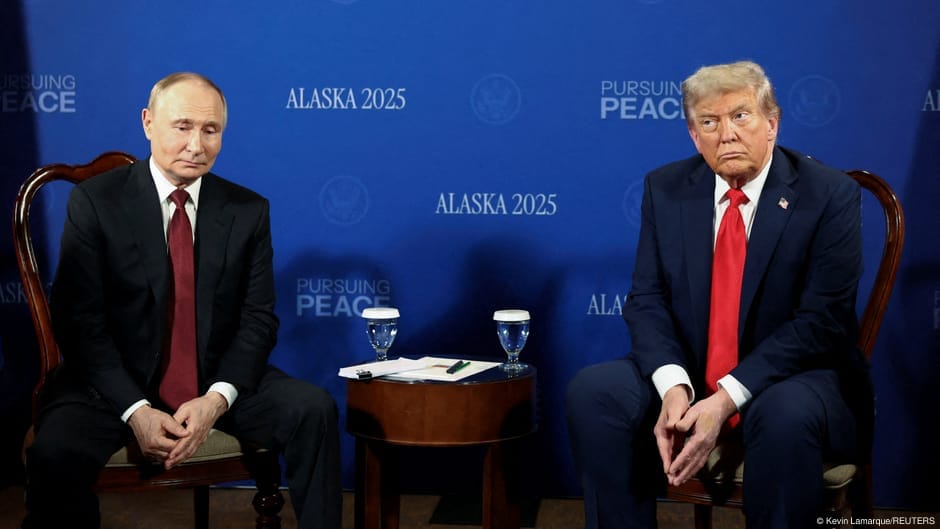
Trump, Putin and Xi are expected to open three-way nuclear arms talks at APEC, while Ukraine remains outside the planned Shenzhen agenda.

Moscow and Kyiv will include European partners in the next peace talks as mediators also prepare a potentially record prisoner exchange.

Kyiv and Moscow discussed exchanging up to 3,000 prisoners as Abu Dhabi talks turned to territory, energy, Black Sea security and de-escalation.

The EU has extended its Ukraine military training mission through 2028, embedding battlefield instruction in a broader, multi-year security and financing framework.

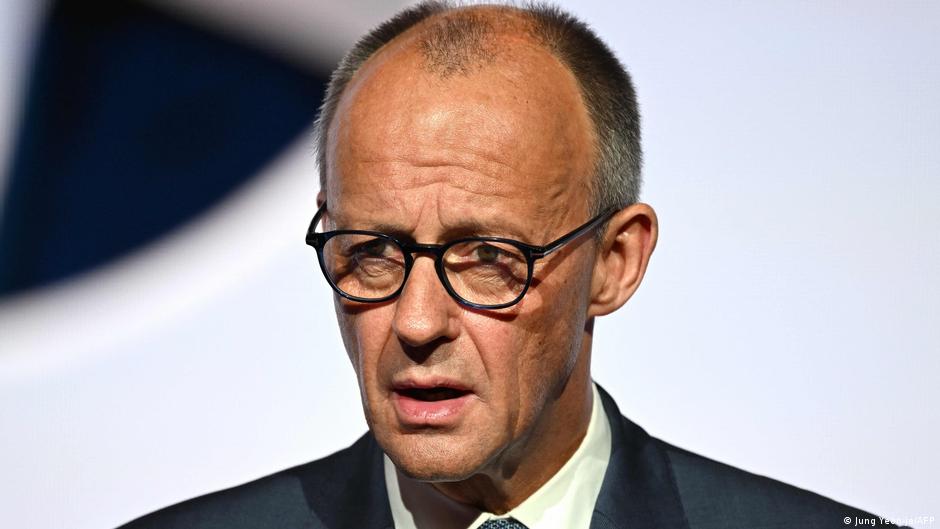
Friedrich Merz is linking agreement on Ukraine’s €45 billion EU funding gap to progress on other financial decisions and demanding broader burden-sharing.

A dispute between Zelensky and Kyiv Mayor Klitschko reveals how energy attacks, repair bottlenecks and divided authority threaten Ukraine’s urban economy.

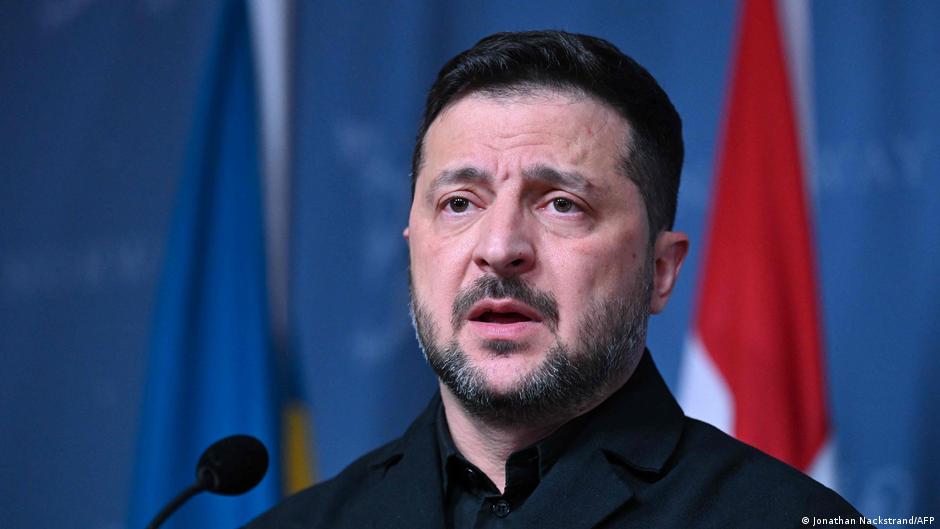
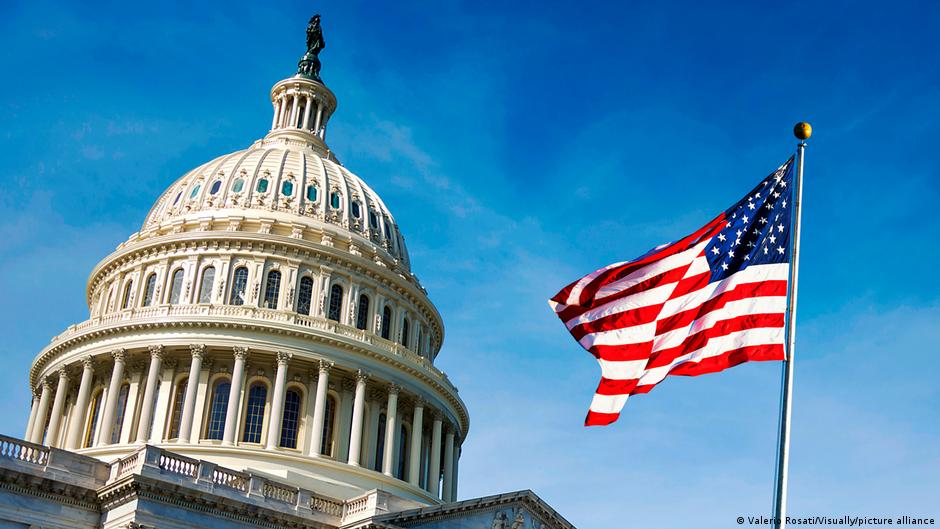
Zelensky expects Democratic control of Congress to expand US military and financial support for Ukraine and reinforce transatlantic coordination.

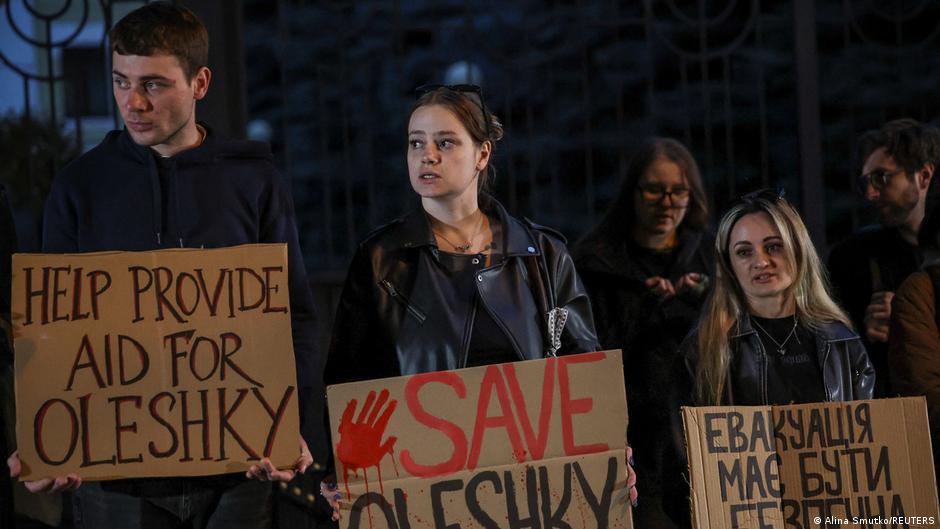
The White House will review an Oleshky truce that enabled hundreds of civilian evacuations and the delivery of humanitarian aid.

Abu Dhabi talks will link near-term de-escalation with Ukraine’s postwar security, European strategy and the economics of reconstruction.

False emergency alerts in Ukraine and Russia reveal the financial and institutional costs of securing trusted public-warning infrastructure.

A US proposal to restore Russian gas transit through Ukraine could support an energy truce but challenge Europe’s planned withdrawal from Russian supplies.

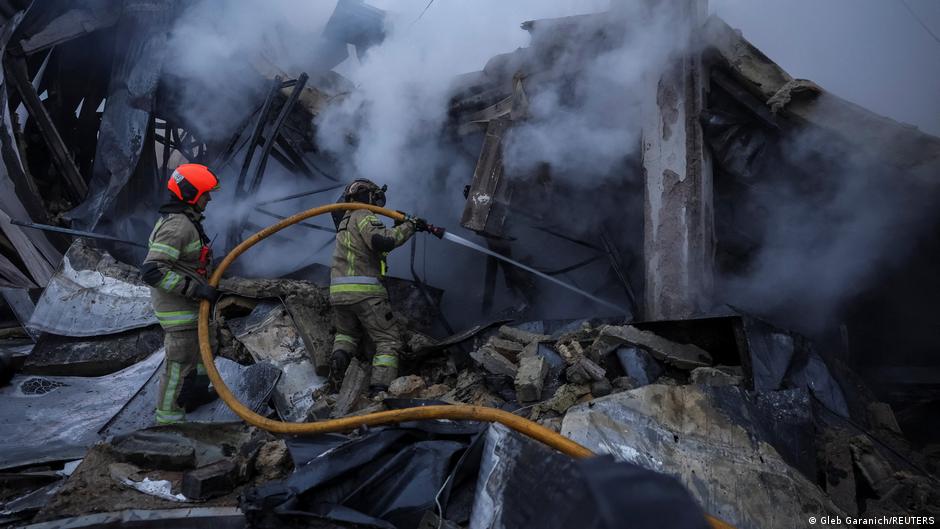
Strikes across Ukrainian cities killed civilians and damaged rail, warehouse, commercial and industrial assets, adding to the country’s cumulative wartime economic burden.

Ukraine’s reported refinery-strike pause shows how US election concerns, fuel prices and Kyiv’s reliance on American technology are reshaping wartime strategy.

The Pentagon watchdog’s decision exposes the risks created when essential military communications depend on privately controlled satellite infrastructure.

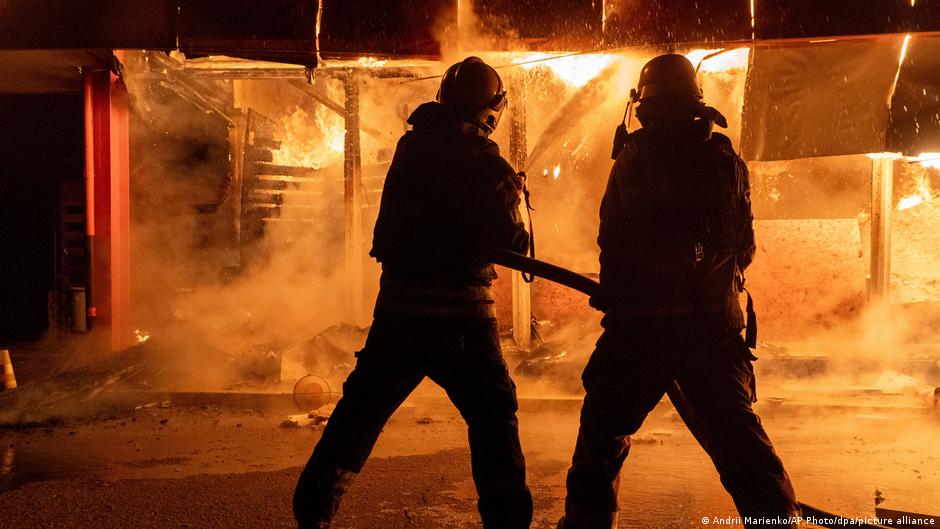
A Russian drone strike injured four people in Kharkiv and set residential and production buildings ablaze, adding to the city’s cumulative economic burden.

Missile strikes killed at least three people in Kyiv and Kharkiv, adding damaged housing and public infrastructure to Ukraine’s mounting urban economic burden.

A bilateral ceasefire is intended to bring aid and evacuations to Oleshky, a mined and flood-damaged Ukrainian city reduced to a fraction of its prewar population.

Bulgaria’s presidential runoff will pair Iliyana Yotova against Andrey Gyurov after a first round marked by 22.2% turnout and growing debate over Ukraine.

Kyiv says Starshield speed limits remain in place as delayed interceptor missiles expose Ukraine’s reliance on fragile external supply networks.

A possible November negotiating round could test whether US, Ukrainian and Russian delegations can move from technical diplomacy toward a leaders’ summit.

SpaceX’s restoration of Starlink access in Ukraine exposes the strategic and economic risks of relying on privately controlled wartime infrastructure.

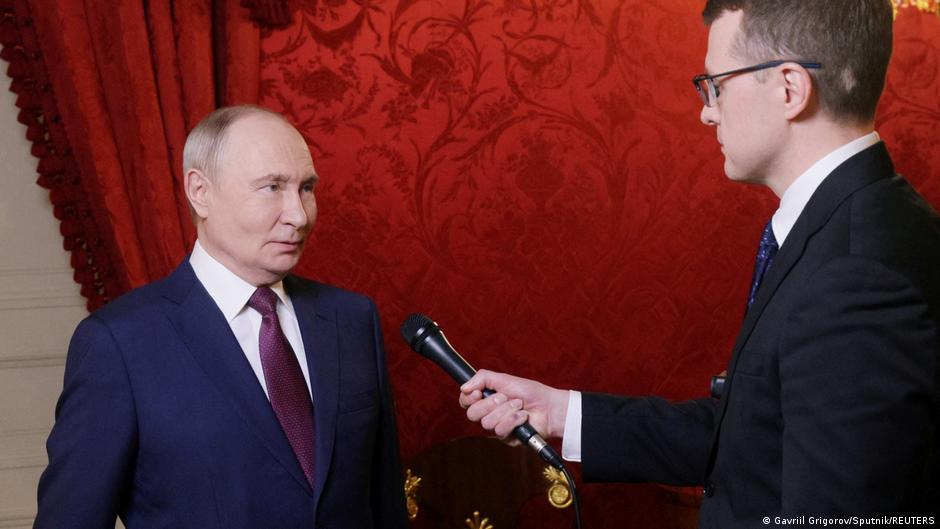
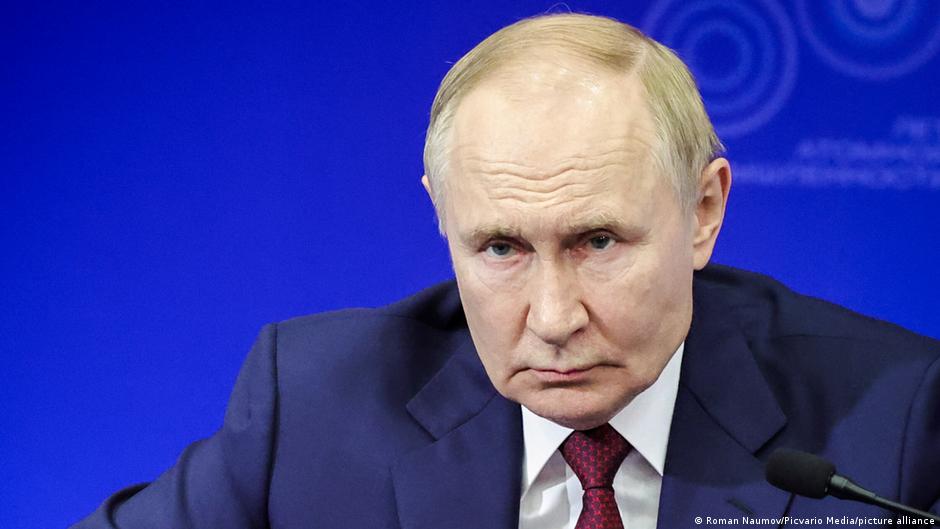
Putin backed renewed US-mediated talks with Kyiv but rejected freezing the war along the current front, leaving territorial demands as the central obstacle.

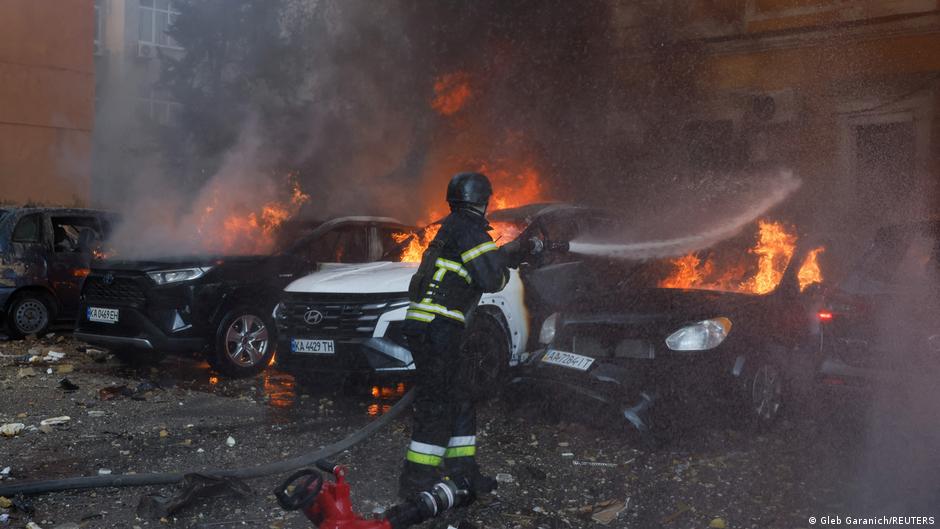
A Russian missile strike killed a 21-year-old woman, injured three people and damaged buildings and metro rails across several Kyiv districts.

Trump has delayed sweeping tariffs on Russia and its energy partners, using the sanctions threat to support Ukraine talks and discourage Moscow from assisting Iran.

A reported US peace proposal would restore Russian pipeline gas to Europe, challenging the EU’s 2027 phaseout and reopening the debate over cost and dependency.

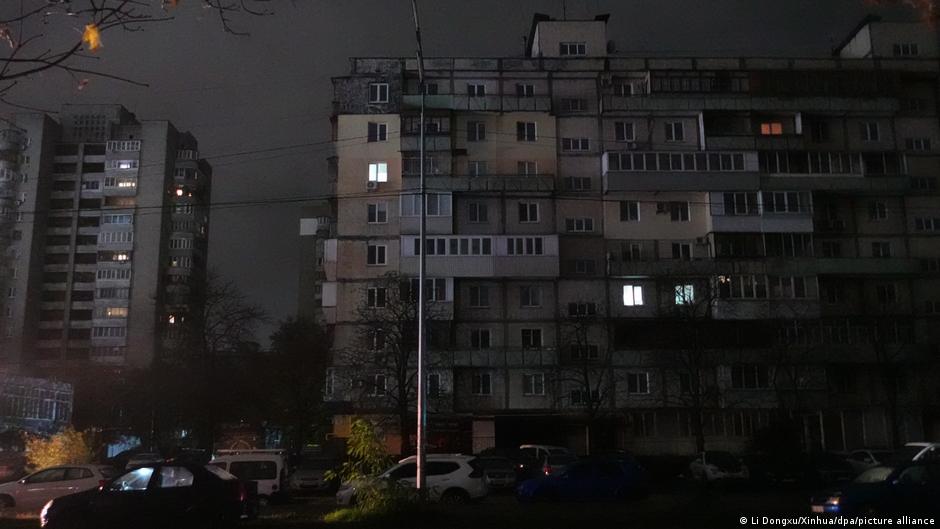
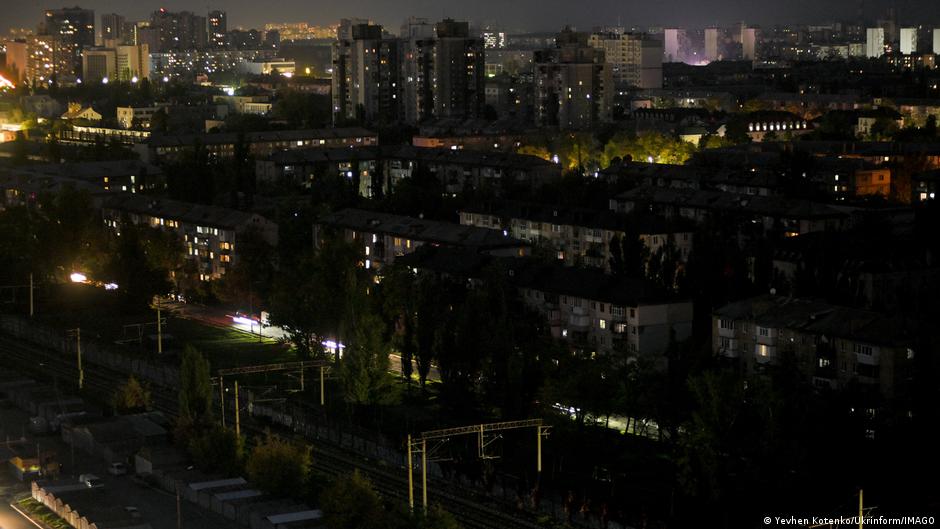
Russian attacks disrupted electricity and water services in Kyiv and Lutsk, exposing the economic vulnerability of Ukraine’s interconnected urban infrastructure.

Trump said Putin is more interested than Zelensky in a Ukraine peace deal, while Kyiv urged U.S. pressure over Russia’s energy ceasefire violations.

Reported U.S. pressure over Ukraine’s PURL weapons pipeline turns refinery strikes and an energy truce into a test of economic leverage.

The EU is preparing new funding for Ukrainian drones and missiles as Brussels links wartime defense needs with long-term financing and reforms.

Zelensky warned that a U.S.-Russia diesel deal could strengthen Moscow’s war economy unless tied to clear de-escalation commitments.

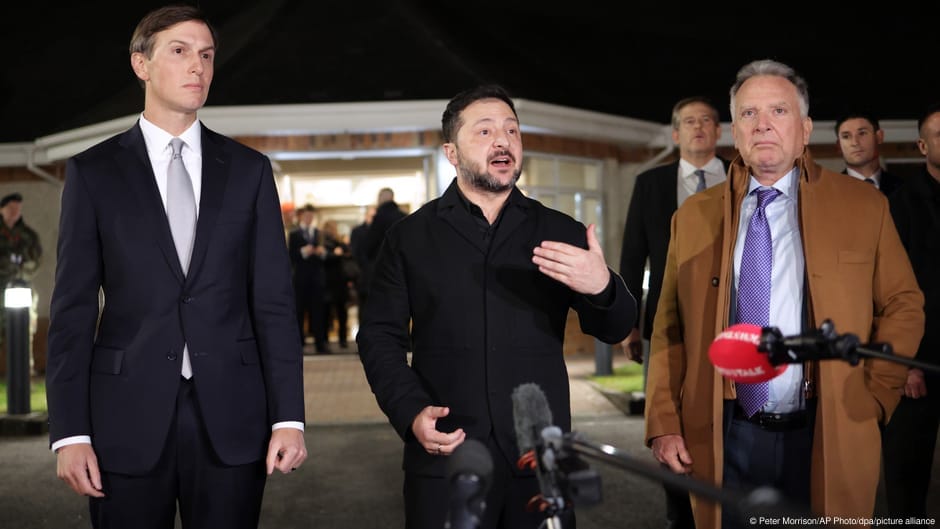
Ukraine will discuss a new war-ending proposal with Trump envoys as Kyiv presses for sanctions, Starlink access and economic pressure on Russia.

Kyiv’s mayor urged some residents to consider temporary relocation as Russian strikes threaten water, heating, energy and transport systems.

Ukraine said 28 people were killed in a Russian missile and drone barrage, while Zelensky linked the attack to sanctions pressure and oil revenue.

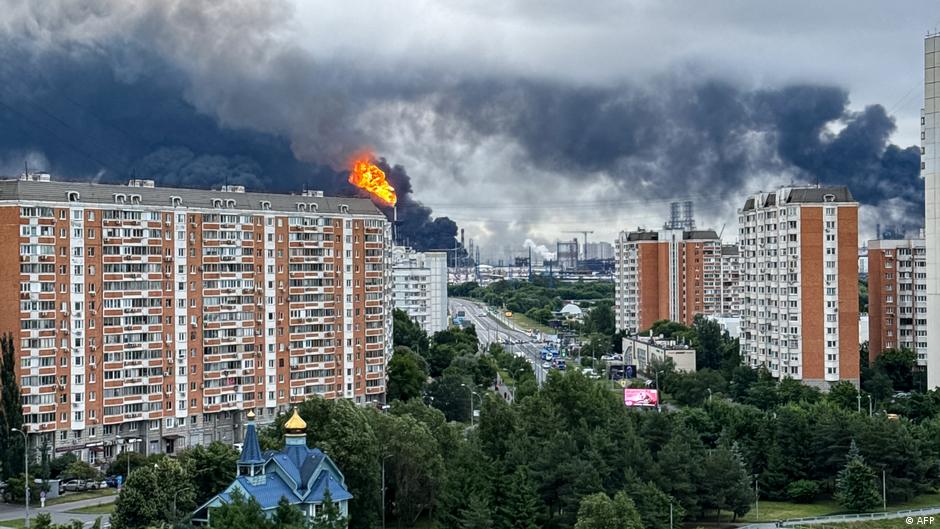
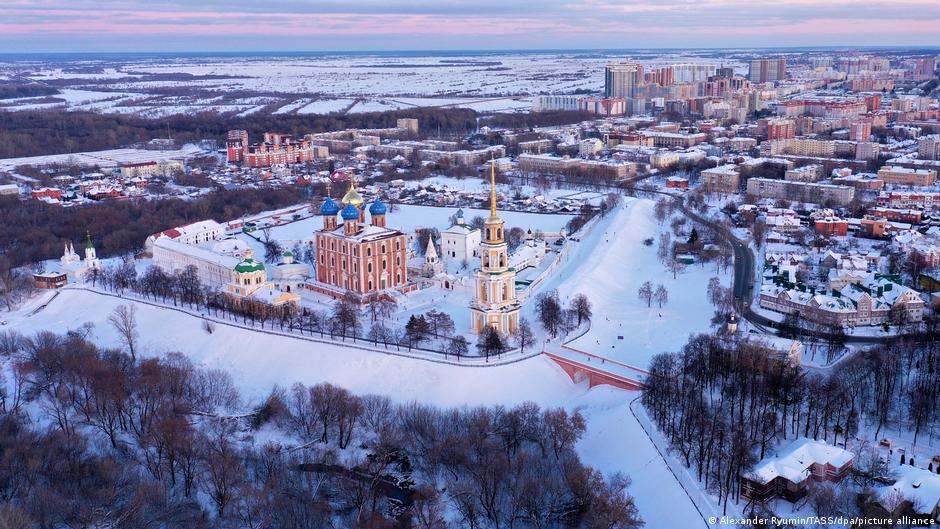
Astra reported a fire at the Sasta plant in Ryazan region, a sanctioned CNC machine-tool site that also hosts a Yandex DC data center.

A tanker fire near Sochi exposes the mounting economic risks around Black Sea shipping, Russian oil exports and shadow-fleet logistics.

Western governments are preparing contingency plans to move embassies from Kyiv as Russian strikes intensify against Ukraine’s cities and energy system.

Putin’s Valdai speech sharpened nuclear rhetoric and war claims, adding to Europe’s long-term economic and security risk premium.

The EU declined to accelerate part of a €90 billion Ukraine loan, arguing that early disbursement would shift the war-financing gap into 2027.

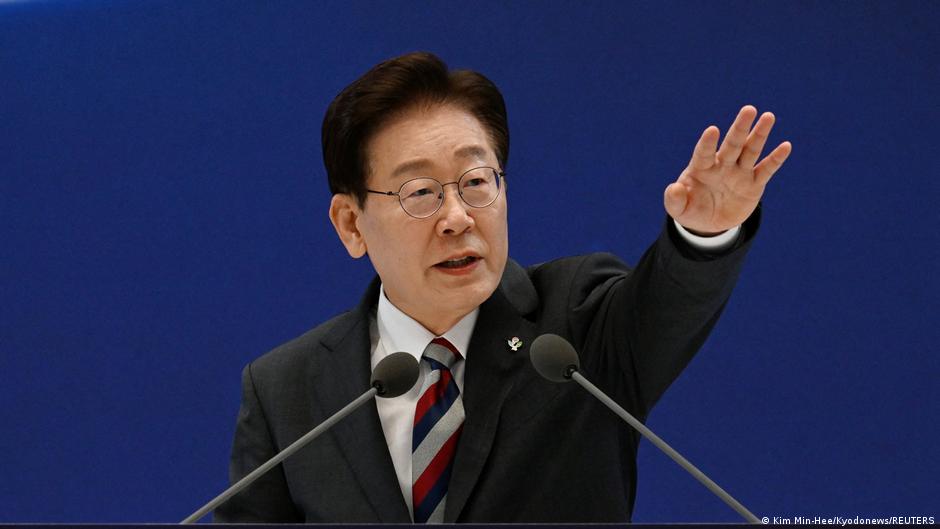
Seoul’s warning to Kyiv over disclosed North Korean prisoners raises questions about trust, defense cooperation and postwar economic ties.

Russian attacks damaged sites in Kyiv, Odesa, Sumy and Kyiv region, while Ukrenergo announced power curbs after strikes on energy facilities.

Zelensky says North Korea may send 10,000 more troops to Russia, deepening concerns over wartime manpower, sanctions and security trade.

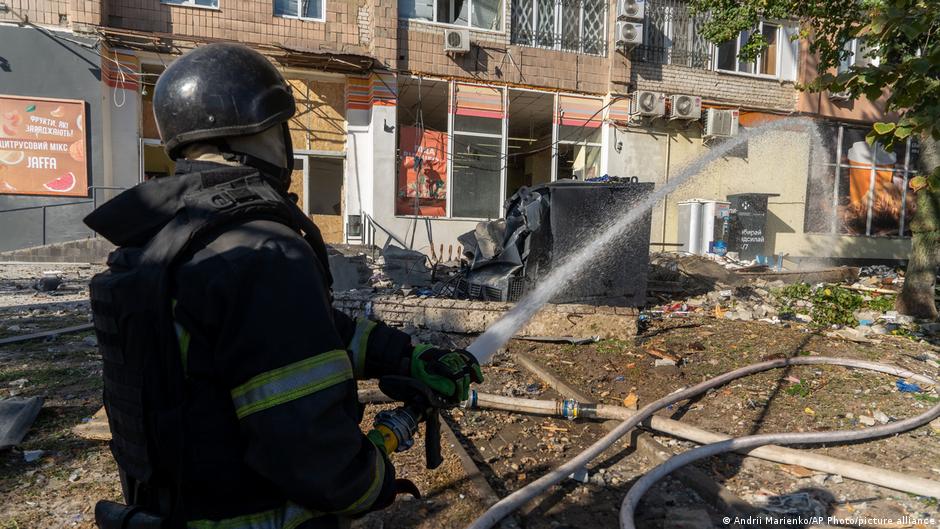
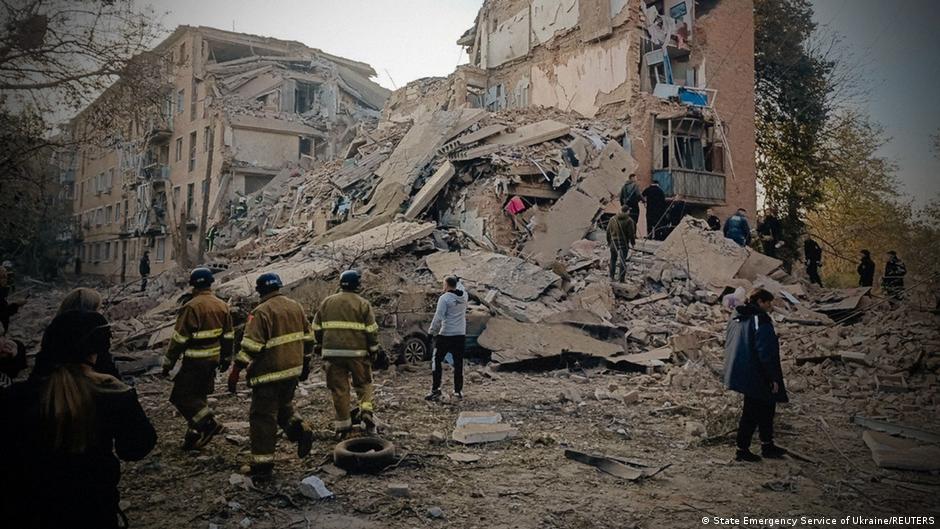
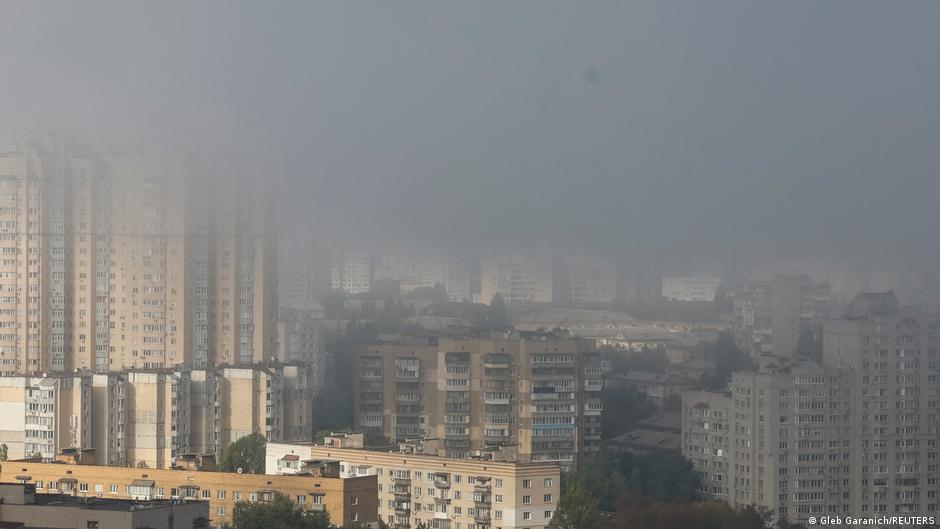
Russia’s renewed strikes on Kyiv show how attacks on homes, science institutions and medical facilities deepen Ukraine’s wartime economic strain.