Russian Drone Incident in Romania Highlights Cross-Border Risks Amid Ukraine Conflict
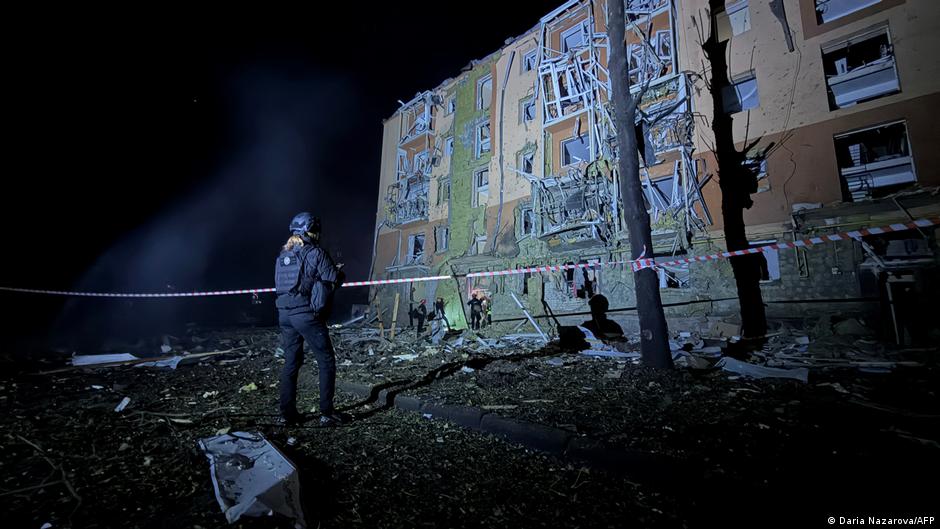
A Russian drone crashed into a residential building in Romania during attacks on Ukraine, raising concerns over regional security and economic implications.
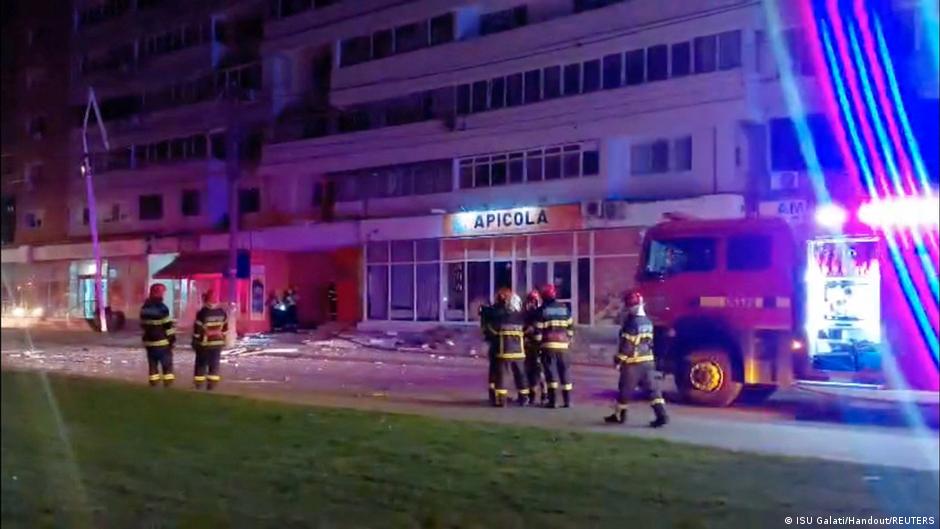
On the night of May 29, a Russian unmanned aerial vehicle (UAV) crashed onto the roof of a residential high-rise in the Romanian city of Galați, igniting a fire in an apartment on the 10th floor. The Romanian Ministry of Defense confirmed the drone’s Russian origin, marking a significant escalation in the spillover effects of the ongoing conflict in Ukraine.
Emergency services reported that the drone’s entire explosive payload detonated upon impact, injuring two individuals who were treated on site. Approximately 70 residents were evacuated as firefighters quickly extinguished the blaze, preventing further damage. This incident is notable as it represents one of the few direct incursions of the Ukraine conflict into NATO territory.
Strategic and Economic Implications of Cross-Border Incidents
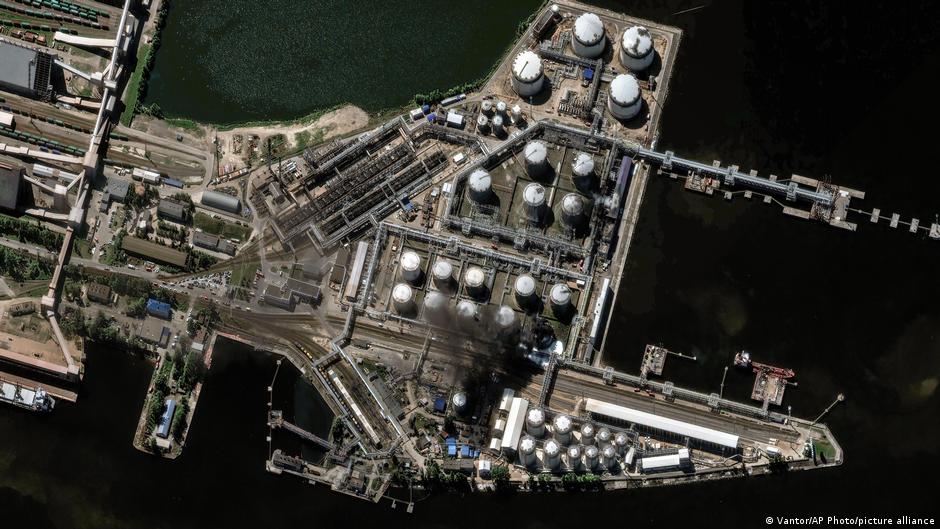
The drone attack occurred concurrently with Russian UAV strikes targeting the port of Izmail in Ukraine’s Odessa region. Izmail, situated near the Romanian border on the Danube River, is a vital logistics hub for Ukrainian agricultural and industrial exports. Its strategic importance has made it a recurrent target in Russia’s campaign to disrupt Ukraine’s economy and supply chains.
"The incident in Galați underscores the expanding geographic footprint of the Ukraine conflict and highlights the vulnerabilities of neighboring countries to unintended escalations," said a regional security analyst.
Romania’s brief exposure to direct conflict consequences poses broader concerns about economic stability and investor confidence in Eastern Europe. The region relies heavily on secure transport corridors and uninterrupted trade flows, particularly through river ports like Izmail. Disruptions threaten not only regional economies but also global commodity markets, given Ukraine’s role as a major grain exporter.
Historically, conflicts adjacent to NATO member states have risked drawing the alliance into broader confrontations. While the Romanian government responded swiftly to contain the physical and human impact of the drone crash, the event raises pressing questions about airspace security and the preparedness of Eastern European infrastructure against military spillover.
Economically, the threat to ports such as Izmail reverberates through supply chains that extend into the European Union and beyond. Prolonged instability could accelerate shifts in trade routes and increase costs associated with insurance and logistics, complicating the post-pandemic recovery efforts in the region.
Furthermore, this incident may influence Romania’s defense spending and strategic priorities, potentially prompting enhanced investments in air defense systems and cross-border intelligence coordination. Such developments would have long-term implications for national budgets and regional economic allocations.
In sum, the drone crash in Romania is more than a localized disturbance; it exemplifies the wider structural risks embedded in the Ukraine conflict. The event highlights the interconnectedness of security and economic stability in Eastern Europe and underscores the need for comprehensive strategies to mitigate spillover effects from ongoing hostilities.