Europe Faces Rising Sabotage at Defense Plants Amid Russian Covert Operations
Russia reportedly recruits criminal groups to sabotage European defense plants, challenging NATO’s unity and testing alliance response thresholds.

Russia reportedly recruits criminal groups to sabotage European defense plants, challenging NATO’s unity and testing alliance response thresholds.

Finland summons Russian ambassador after an IL-20 reconnaissance plane briefly violated Finnish airspace, reflecting rising Baltic regional tensions and security concerns.

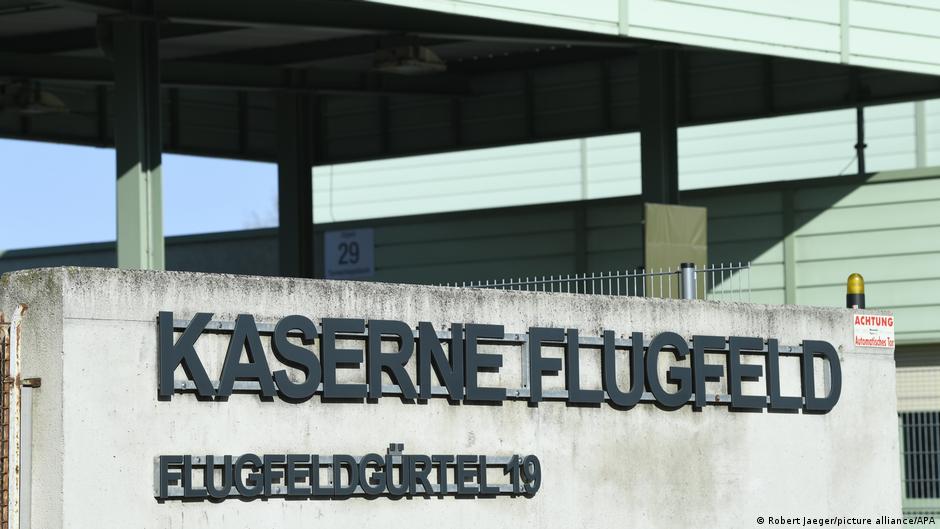
Several hundred Ukrainian soldiers have deserted military training courses in Germany since 2022, reflecting broader challenges in Ukraine's armed forces during prolonged conflict.

NATO confirms readiness to respond to Iranian threats targeting European military bases, highlighting rising geopolitical tensions with regional economic implications.

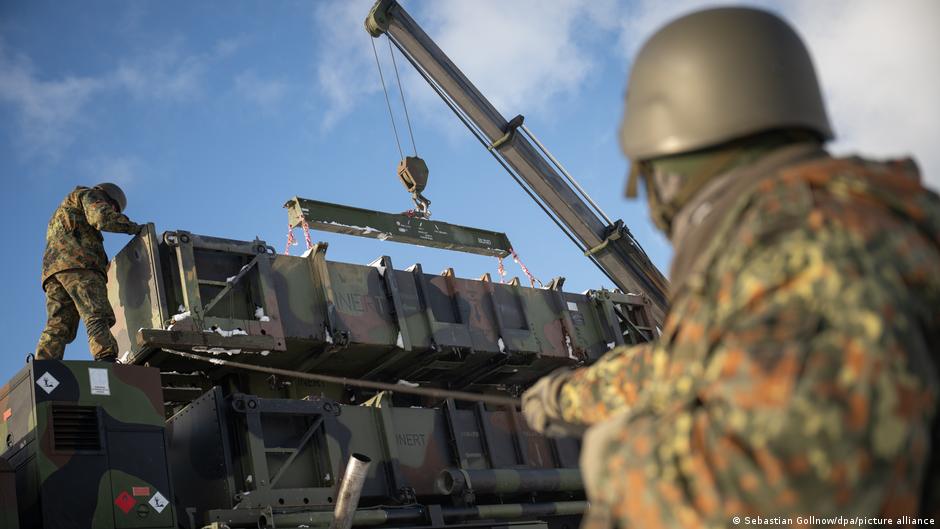
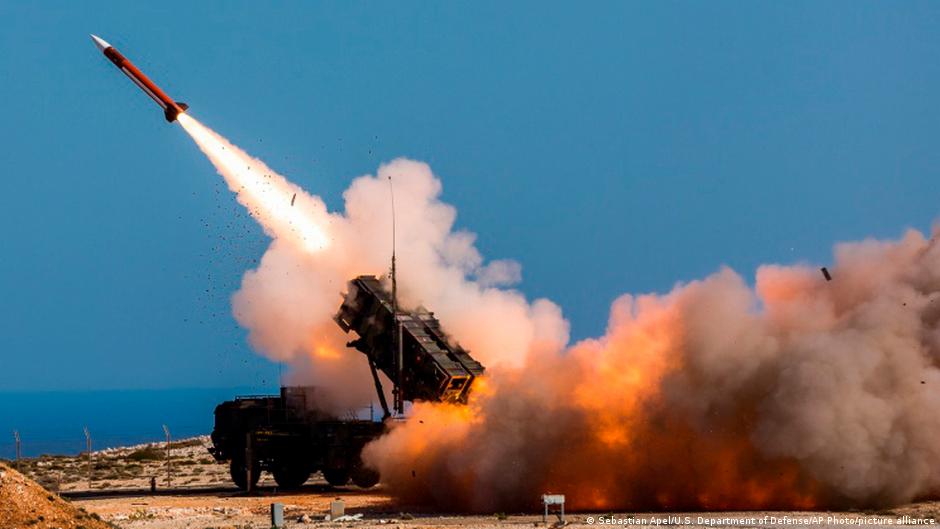
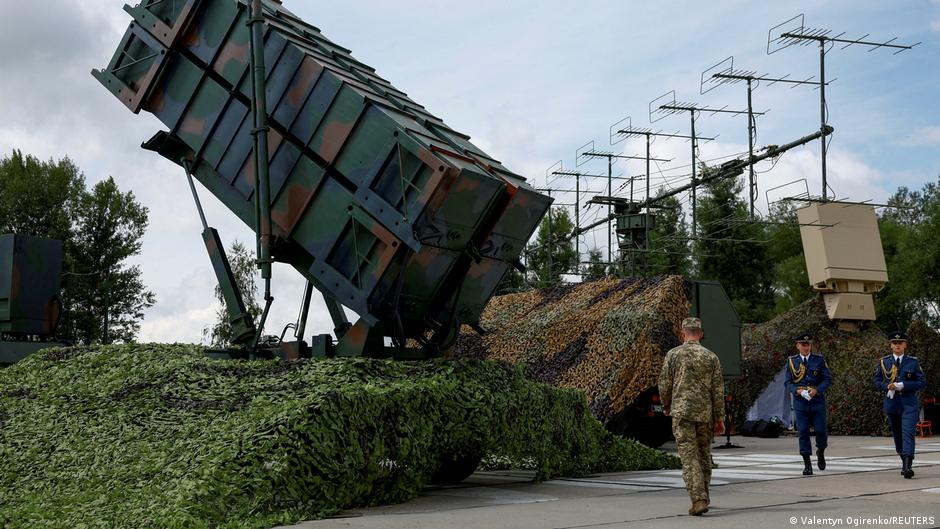
Raytheon and Lockheed Martin fear that licensing Patriot missile production to Ukraine may enable rapid, cost-effective manufacturing and technological improvements, raising strategic concerns.

Germany faces rising hybrid warfare threats amid drone attacks, prompting new research and security efforts to protect critical infrastructure and economic stability.

The US Senate has approved a broad sanctions package targeting Russia’s economy, with strong support from the EU and Ukraine to intensify pressure amid ongoing conflict.

Lithuania warns Russia may use captured Ukrainian drones to attack Baltic infrastructure, escalating hybrid warfare risks with significant economic and security impacts.

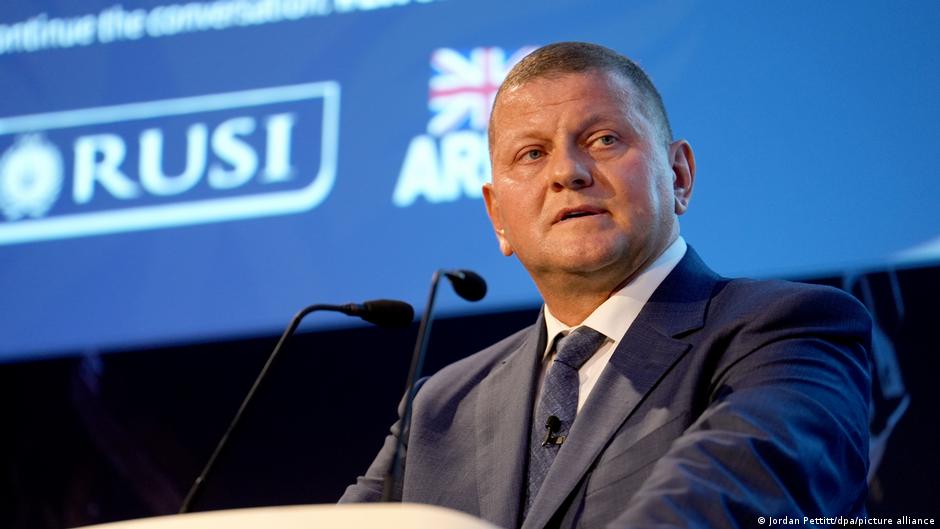
General Valeriy Zaluzhnyi asserts Ukraine will not join NATO soon, urging focus on emerging security alliances like the Joint Expeditionary Force to address defense needs.

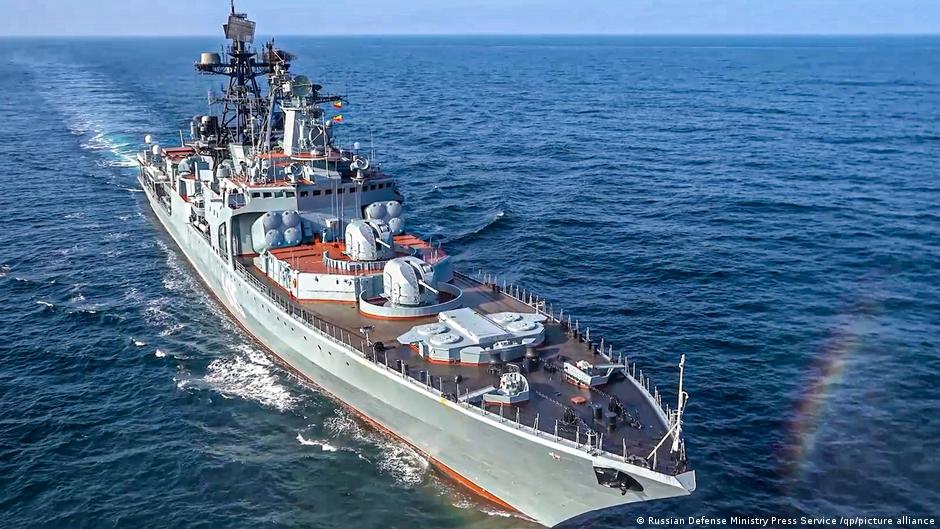
Russia has repositioned the Northern Fleet destroyer Admiral Levchenko to the Baltic Sea near Germany to protect its maritime shadow fleet amid increased sanctions and tensions.

NATO considers deploying additional tactical nuclear weapons in Finland, Poland, and Lithuania, signaling a strategic shift in response to Russian security threats.

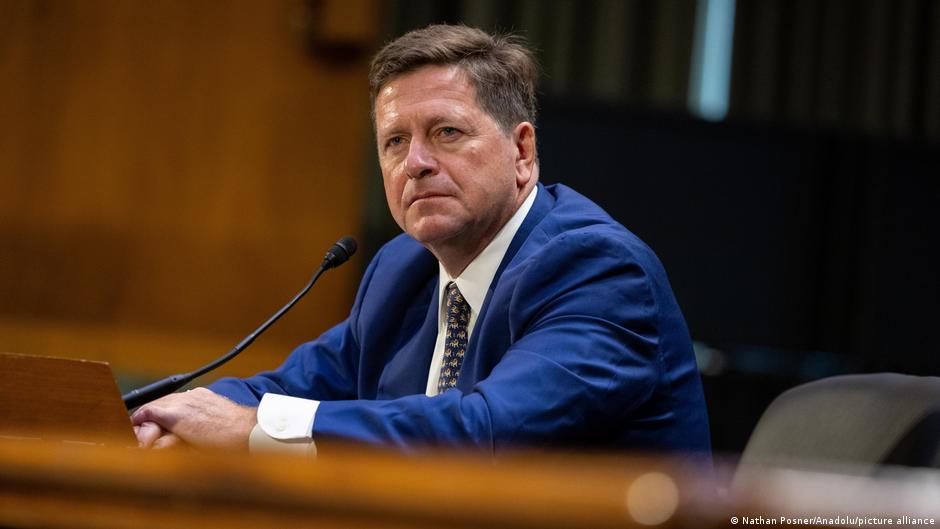
Jay Clayton was confirmed as U.S. Director of National Intelligence despite partisan opposition and no prior intelligence experience, highlighting political and structural challenges.

The U.S. Senate advances the Graham Sanctions bill to impose steep tariffs on Russia and its energy partners, signaling a strategic intensification of economic pressure.

Austria plans to extend mandatory military service to nine months, responding to evolving security threats including hybrid warfare and cyber risks.

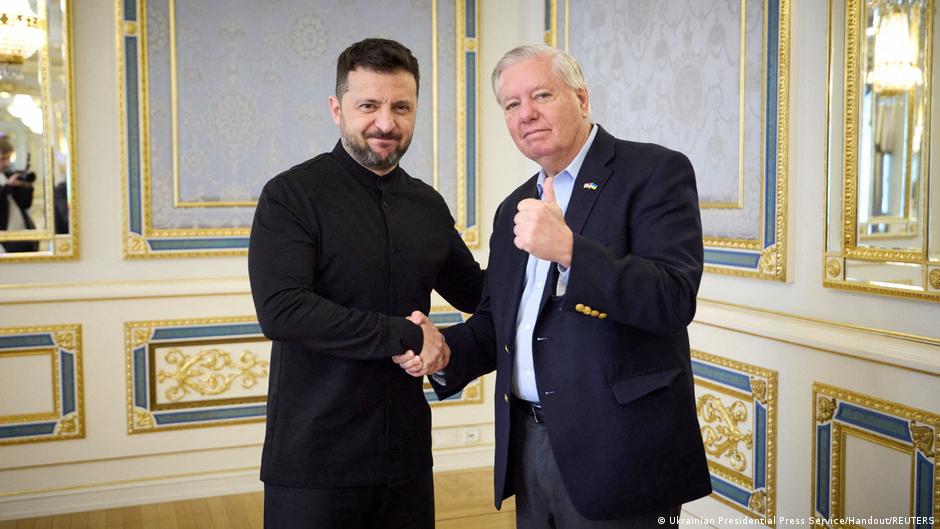
President Zelensky’s Washington visit coincides with a Senate vote on expanded sanctions against Russia, encompassing broader Middle East implications and diplomatic efforts.

The UK has transferred intellectual property rights of the Stone Cloak electronic warfare system to Ukraine, enabling Kyiv to produce it domestically at scale amid ongoing conflict.

The US has introduced new 50% tariffs on Canadian goods, escalating trade tensions and challenging the USMCA agreement with significant economic implications for both countries.

Russia proposes allowing individuals convicted of serious crimes to join the military under contract, reflecting recruitment challenges amid ongoing conflict and mobilization efforts.

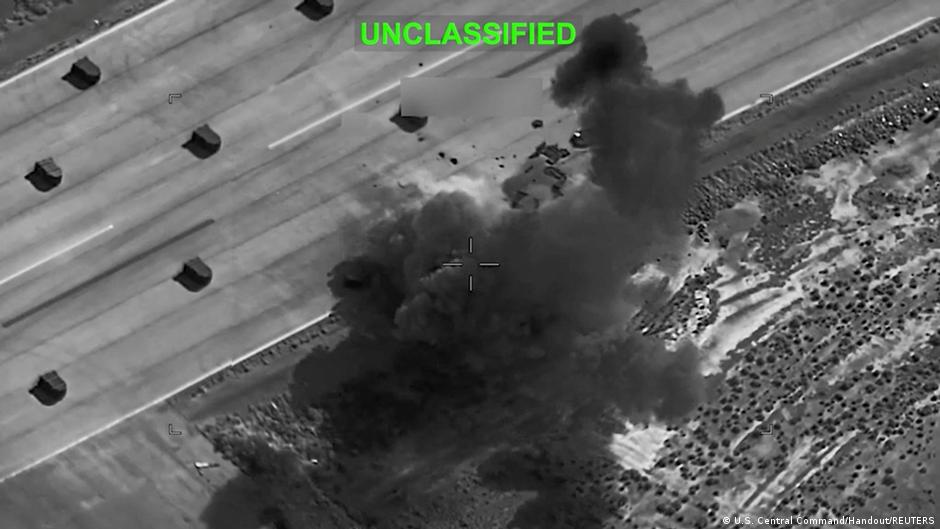
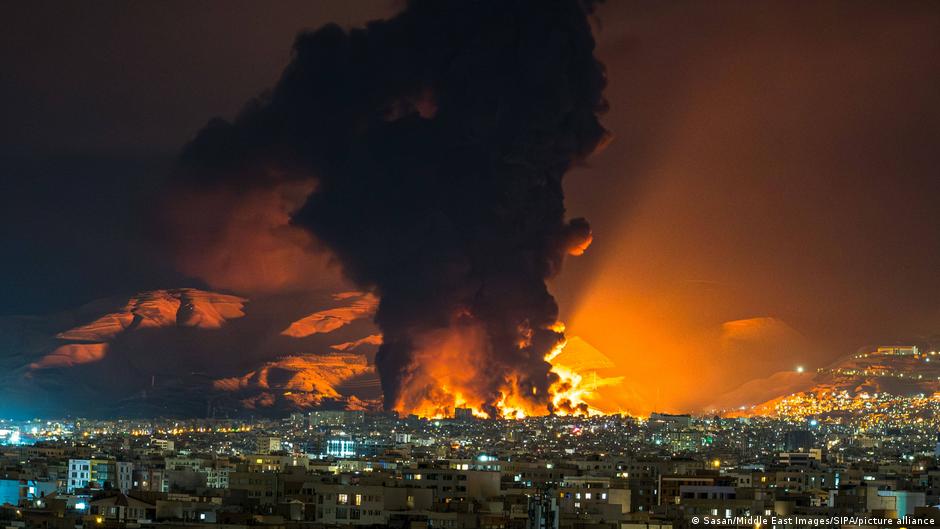
The US has launched new strikes targeting Iranian infrastructure, prompting Tehran to vow retaliatory attacks amid escalating tensions and risks to regional stability.

Darline Graham Norton has been appointed to her late brother Lindsey Graham's Senate seat to protect the fragile Republican majority and continue his policy legacy until 2027.

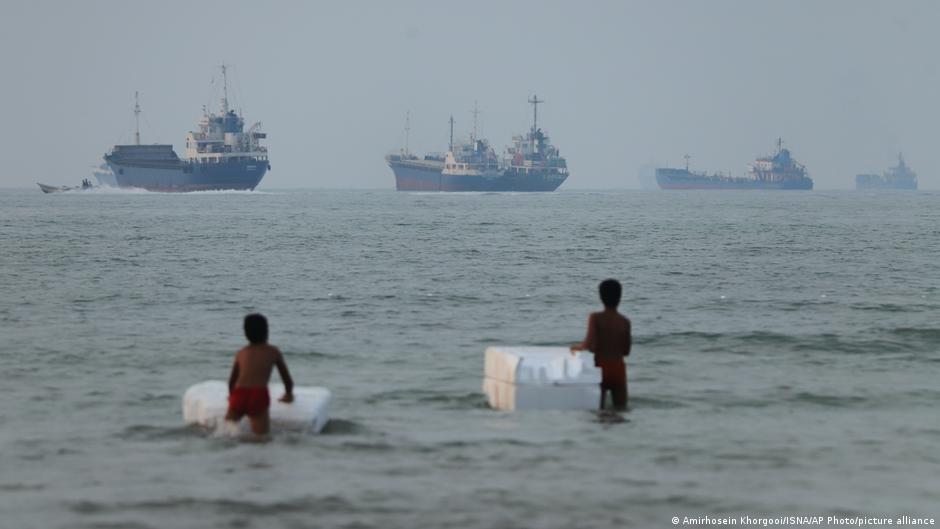
US strikes on Iran escalate following attacks on civilian vessels in the Strait of Hormuz, causing closure of a vital oil shipping route and raising global economic concerns.

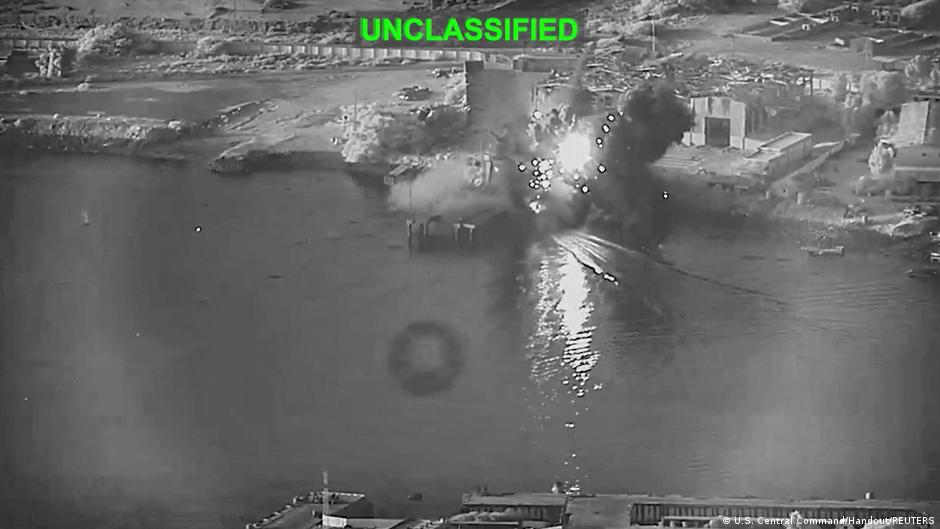
The US has launched new military strikes against Iran to prevent interference with shipping in the Strait of Hormuz, escalating tensions amid sanctions and regional retaliations.

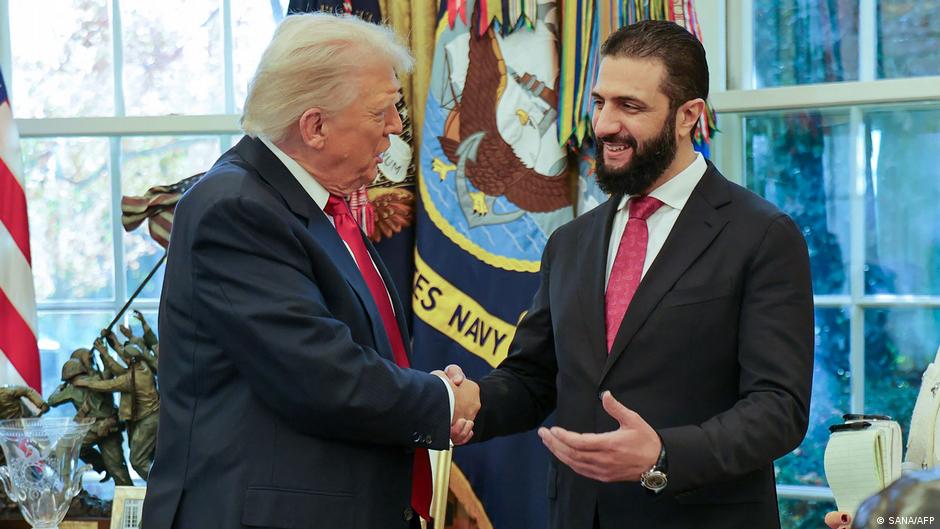
The US plans to remove Syria from its terrorism sponsor list, enabling investments and economic reintegration after years of sanctions and military disengagement.

Germany plans a record 124.7 billion euro defense budget for 2026, marking a major increase in NATO Europe's military spending amid geopolitical pressures and alliance commitments.

US military strikes on Iran following attacks on commercial vessels heighten risks of conflict and disrupt critical energy trade routes through the Strait of Hormuz.

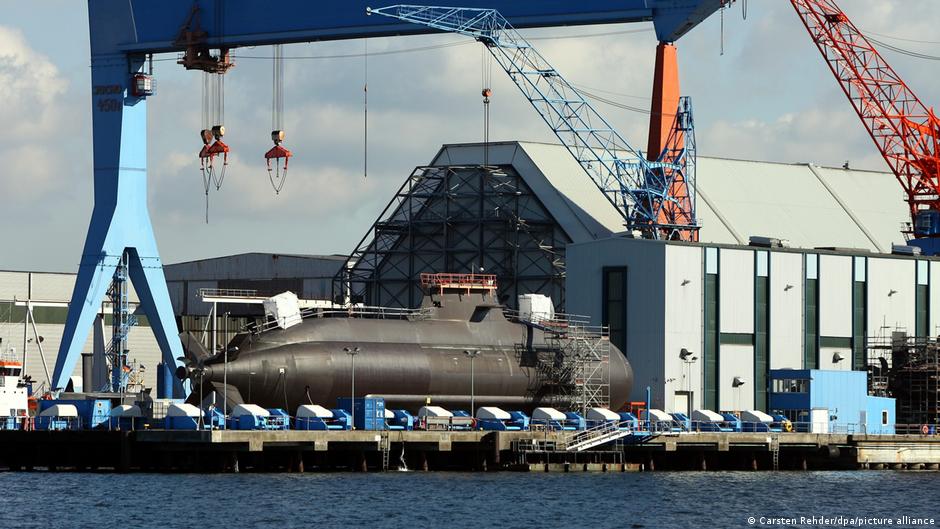
Canada’s selection of German TKMS submarines strengthens NATO’s Arctic defense and marks a major industrial and strategic partnership for Europe and North America.

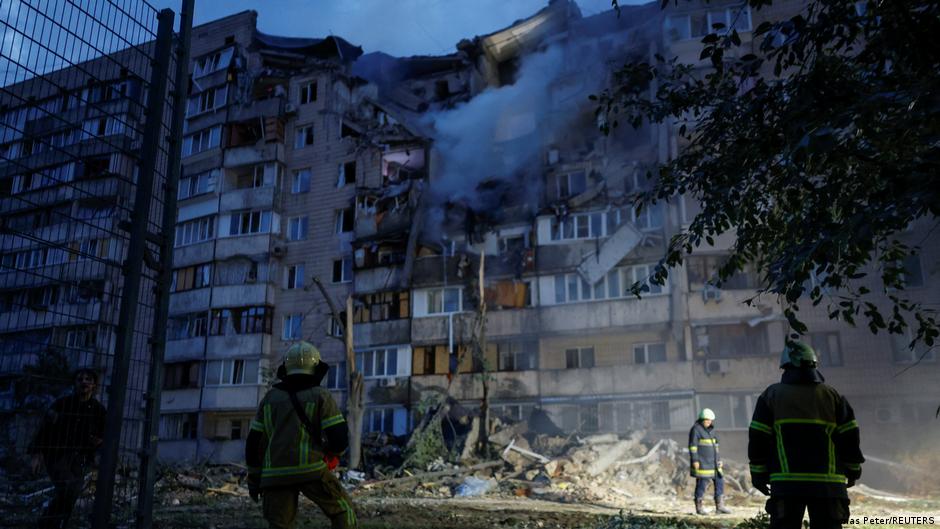
Russian missile and drone strikes on Kyiv cause multiple civilian casualties and damage to residential areas, signaling an escalation with broader economic and humanitarian impacts.

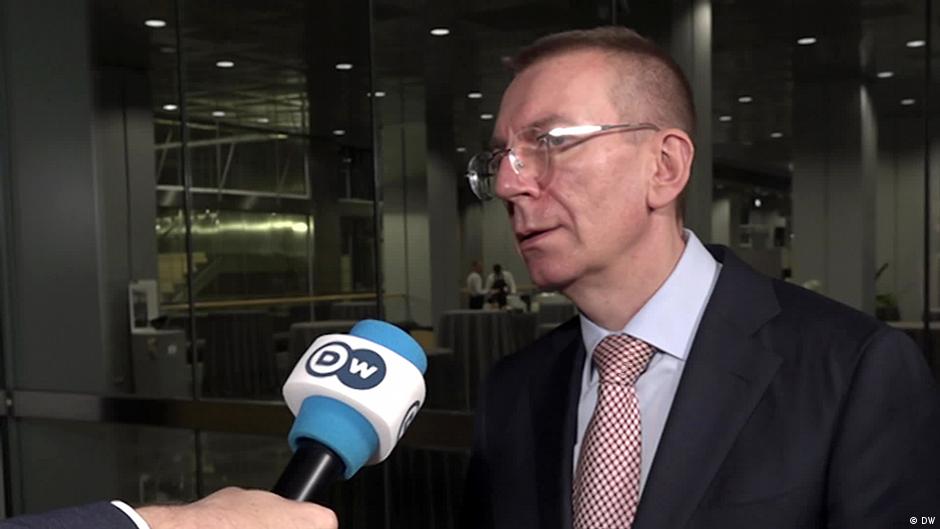
Latvian President Edgars Rinkēvičs warns NATO to prepare for potential escalation with Russia, highlighting the need for real military capability growth beyond budget increases.

Poland expelled 11 foreign nationals accused of recruiting Ukrainian refugees for protests funded by Russia, highlighting ongoing Russian efforts to influence European political dynamics.

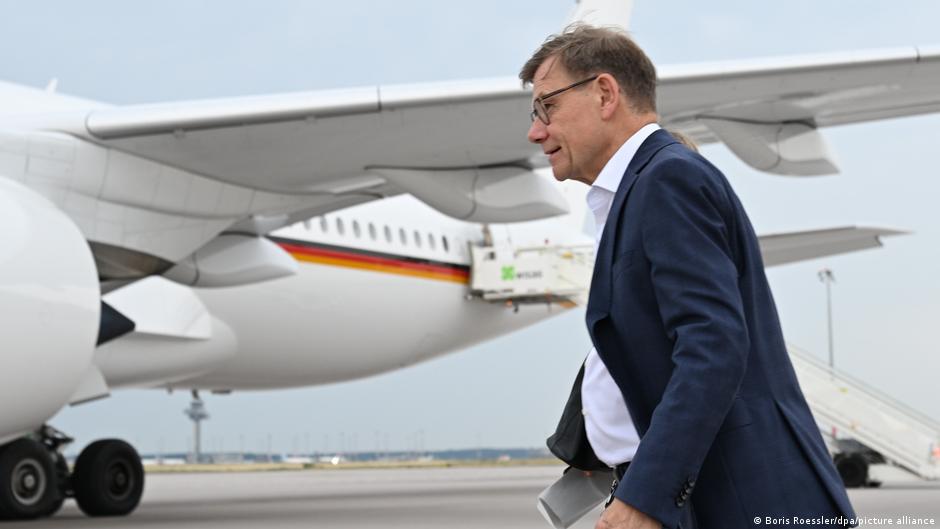
German and US foreign ministers met in Washington to reaffirm their indispensable partnership amid global crises, ahead of the NATO summit and renewed US-Iran talks.

Finland will lift its ban on nuclear weapons import and storage from July 1, enhancing deterrence amid escalating tensions with Russia and NATO integration.

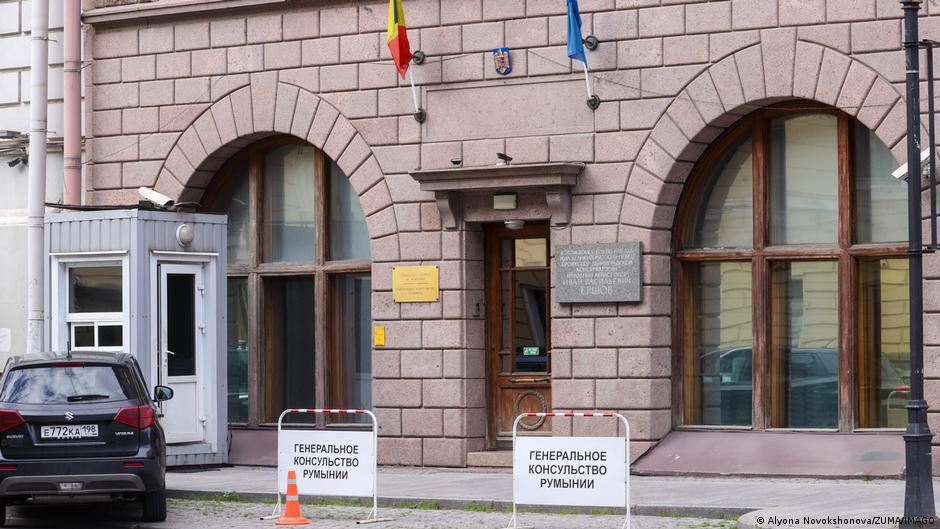
Russia has closed the Romanian consulate in St. Petersburg and expelled its acting consul, retaliating against Romania's shutdown of the Russian consulate in Constanta after a drone incident.

Former US President Trump praises Zelensky's resilience amid the Russia-Ukraine conflict, signaling shifts in US foreign policy and highlighting economic and geopolitical complexities.

Italy's Foreign Minister cancels U.S. visit after Trump's disparaging remarks about PM Meloni, highlighting strains in transatlantic relations with economic and geopolitical implications.

US intelligence warns Israel may disrupt the US-Iran deal, citing Israeli security concerns and political calculations amid ongoing regional tensions.

Bulgaria plans to veto the EU’s expanded sanctions on Russia, citing risks to its economy and opposing restrictions on the Russian Orthodox Patriarch.

Lithuania, Poland, and France conduct joint military drills near the Suwalki Corridor, enhancing NATO's readiness against potential Russian attempts to isolate the Baltic states.

The US plans to cut NATO combat aircraft by one-third and withdraw key naval assets, reshaping the alliance's military presence in Europe amid a strategic focus on the Indo-Pacific.

Germany commits an additional €300 million to support the Czech-led ammunition procurement initiative for Ukraine, underscoring shifting dynamics in European defense cooperation and funding challenges.

The US House approved a bill expanding military aid to Ukraine and increasing sanctions on Russia, pending Senate consent amid partisan debates and potential presidential veto.

The US House approves a resolution restricting President Trump from continuing war with Iran without Congressional consent, highlighting shifting political and economic concerns.

Rheinmetall secures a €5.7 billion arms contract with Romania, funded by the EU's Security Action for Europe program, signaling a strategic push for European defense autonomy.

A Russian-origin drone crashed into a Romanian residential building near Ukraine, prompting NATO to call for enhanced air defense and highlighting broader regional security challenges.

A Russian drone crash in Romania during attacks on Ukraine reveals escalating security risks and potential economic disruptions in Eastern Europe.

Former RT France head Ksenia Fedorova joins French right-wing channel CNews after EU bans Russia Today, highlighting media ownership and geopolitical influence.

NATO intelligence reveals Russia’s secret project to deploy nuclear-capable ballistic missiles on the seabed, signaling a strategic shift in underwater nuclear deterrence.

The US commits to sending 5,000 additional troops to Poland, reversing earlier Pentagon decisions and signaling a complex strategic realignment in Europe with broad economic and security implications.

The US charges Raul Castro with conspiracy to murder over a 1996 incident killing four American pilots, signaling intensified tensions and complex economic consequences for Cuba.
NATO confirms ongoing delivery of US air defense missiles to Ukraine via PURL, highlighting sustained alliance support and regional security implications amid the protracted conflict.

The US Senate advances a resolution requiring presidential congressional approval for military actions against Iran, highlighting constitutional and economic challenges.