Russian Missile and Drone Strikes Target Kyiv and Kharkiv Amid Ongoing Conflict
Combined missile and drone attacks inflicted casualties and infrastructure damage in Ukraine’s capital and key eastern city.

In the early hours of July 16, 2024, Russian forces launched a coordinated assault on Ukraine, targeting Kyiv with ballistic missiles and Kharkiv with drone strikes. These attacks underscore the protracted nature of the conflict and its escalating impact on urban centers critical to Ukraine’s political and economic landscape.
Strategic Implications of the July 16 Strikes
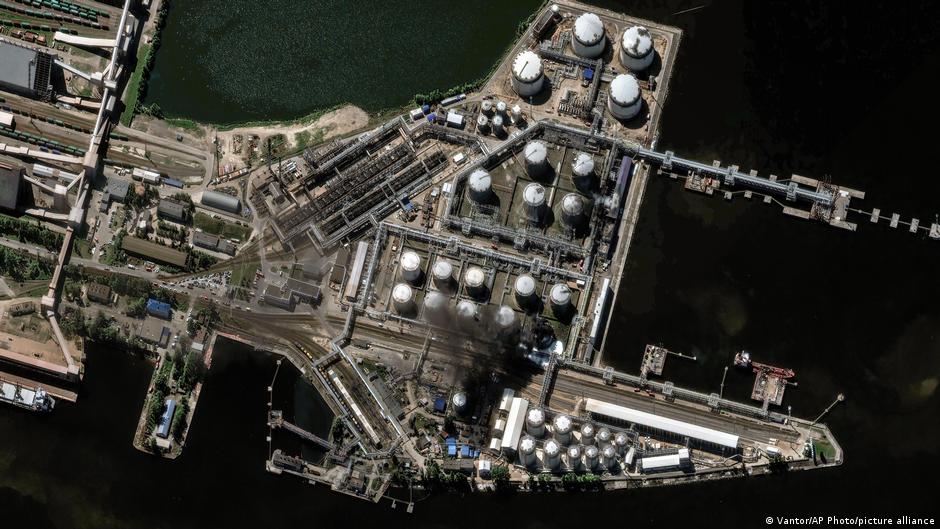
The missile assault on Kyiv involved at least four ballistic missiles, according to Ukrainian Air Force reports. The strikes resulted in powerful explosions and significant fires across multiple districts of the capital. Vitali Klitschko, the mayor of Kyiv, confirmed that missile debris ignited fires in the Darnytskyi district on non-residential land. Additionally, impacts were recorded in the Sviatoshynskyi district, where a warehouse was set ablaze, and other non-residential sites were hit.
Casualty reports from the Kyiv attacks included two fatalities and six injuries, highlighting the persistent human cost despite the city’s fortified defenses. The strikes on non-residential infrastructure indicate a possible tactical approach aimed at disrupting logistic and storage facilities that indirectly support urban resilience.
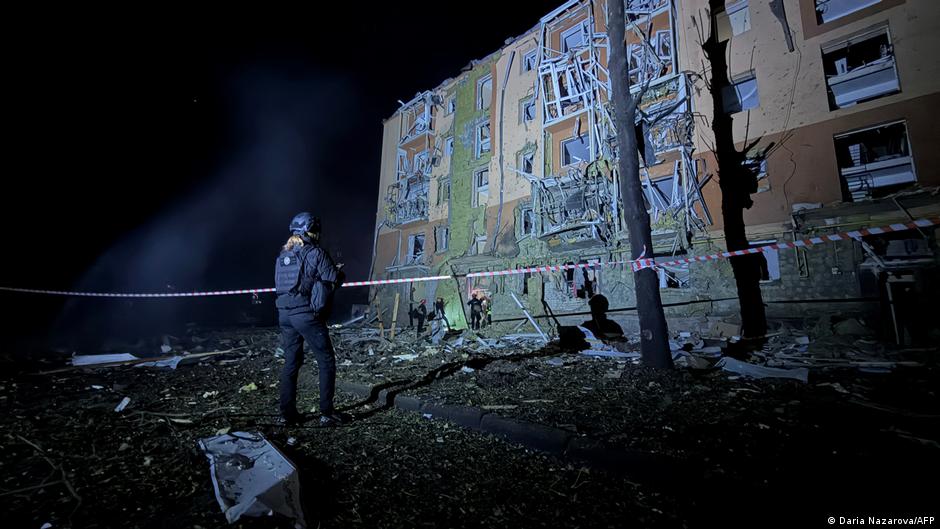
Simultaneously, Kharkiv, Ukraine’s second-largest city and an industrial hub, was targeted by drone attacks. Mayor Ihor Terekhov reported strikes in the Kyivskyi and Shevchenkivskyi districts. Notably, a park area in Shevchenkivskyi district was damaged, including a cinema building, parking areas, and tennis courts. Additional impacts struck a garage cooperative and potentially a residential building in the Nemishlianskyi district, though casualty details remain unclear.
"The attacks reveal a strategic pattern aimed at undermining urban infrastructure and civilian morale while maintaining pressure on key economic centers," said an expert on Eastern European conflicts.
These combined attacks reflect a shift in Russia’s operational tactics, utilizing drones to complement missile strikes, thereby increasing the complexity of defense efforts. The use of unmanned aerial vehicles allows for targeted, flexible strikes that can exploit vulnerabilities in urban defense systems.
Broader Economic and Structural Consequences
The ongoing bombardment of Ukraine’s primary cities threatens not only immediate physical destruction but also long-term economic stability. Kyiv serves as the administrative and economic heart of Ukraine, hosting government institutions and critical infrastructure. Repeated missile strikes hinder not only civilian life but also the functionality of governance and economic coordination.
Kharkiv, as an industrial and technological center, has been a crucial node in Ukraine’s manufacturing and innovation sectors. Damage to its infrastructure disrupts supply chains and reduces industrial output, compounding the war’s toll on Ukraine’s economy. The targeting of non-military infrastructure — such as parks, recreational facilities, and storage sites — points to an erosion of civilian quality of life and urban resilience.
Historically, urban centers under siege face multifaceted challenges: destruction of infrastructure, displacement of populations, and disruption of economic activities. The July 16 strikes evoke parallels with previous conflicts where sustained urban bombardments precipitated long-term economic downturns and social fragmentation.
Looking ahead, the cumulative impact of these attacks may exacerbate Ukraine’s reconstruction burden and deepen regional economic disparities. The resilience of Kyiv and Kharkiv remains pivotal in underpinning Ukraine’s broader resistance and recovery prospects.
As the conflict persists, monitoring the evolving military tactics and their economic ramifications will be essential for understanding the trajectory of Ukraine’s war-affected urban economies.