Russian Drone Strike on Kharkiv Homes Injures Four, Including Child
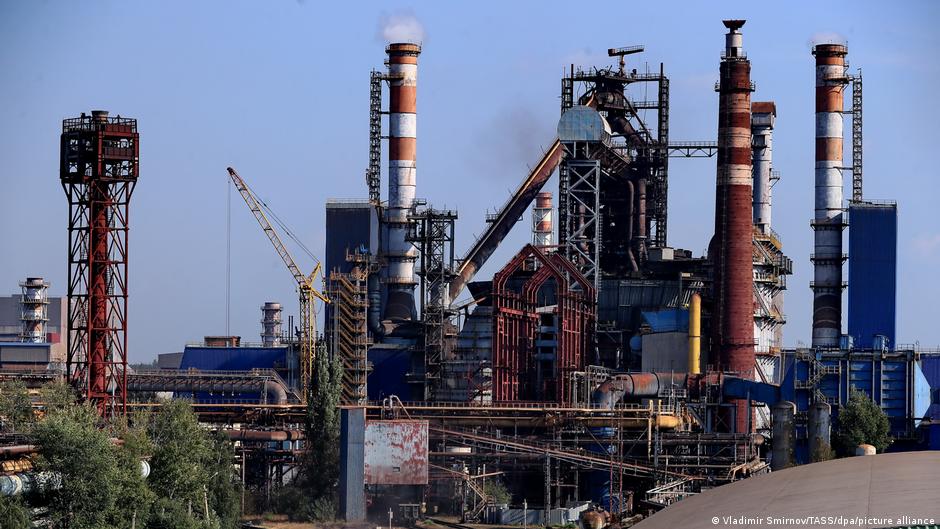
The overnight attack also ignited a production building, underscoring the widening economic costs of repeated strikes on urban districts.
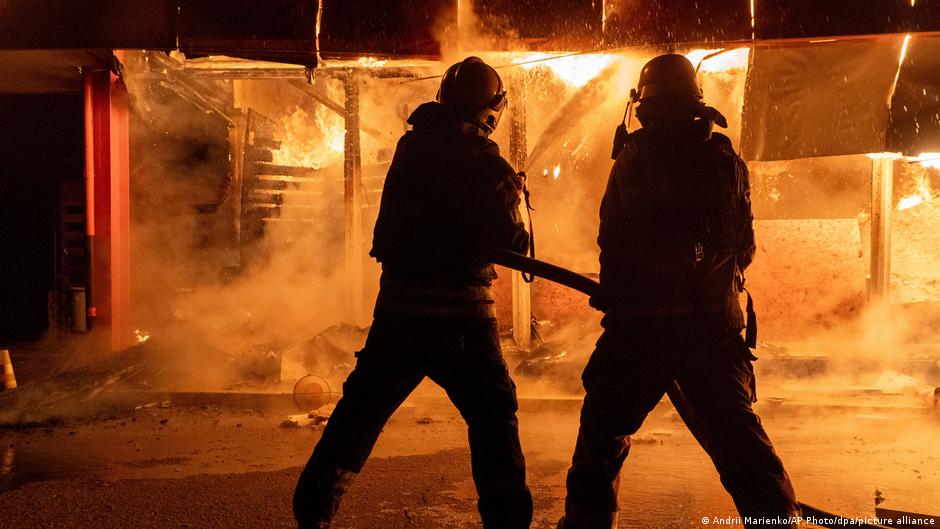
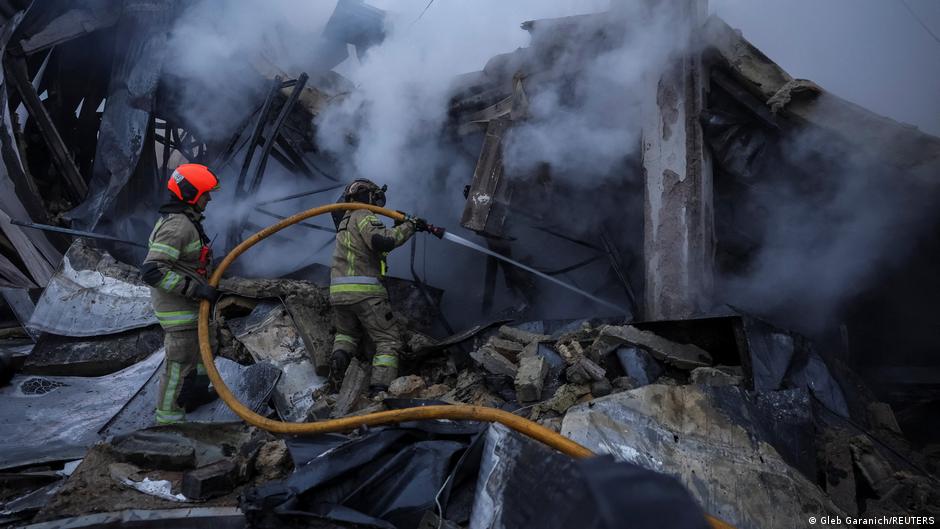
A Russian drone struck residential property in Kharkiv overnight on Wednesday, October 28, injuring four people, including a four-year-old boy, according to local authorities. The attack in the city’s Osnovianskyi district also caused fires at a two-storey production building, a two-storey apartment building and a single-storey home.
Oleh Syniehubov, head of the Kharkiv regional military administration, said the injured were women aged 32 and 65, a 56-year-old man and the four-year-old child. Three of the four required hospital treatment. The reported damage combined residential and productive assets within the same urban area, illustrating how attacks on cities can create simultaneous humanitarian and economic disruption.
Kharkiv Mayor Ihor Terekhov also reported that a Russian unmanned aerial vehicle had hit an apartment building. Initial information indicated that people were trapped inside.
“A hit on a residential apartment building. According to the available information, people are trapped inside,” Terekhov wrote.
Damage Extends Beyond the Immediate Strike
The attack’s most urgent consequences are the injuries, the hospitalizations and the danger faced by residents. Yet the fire at a production building points to a broader layer of costs that accumulates when warfare reaches industrial cities. Damage to workplaces can interrupt output, destroy equipment and inventories, and leave employees without access to their jobs even when the direct physical impact is geographically limited.
Residential damage generates a parallel economic burden. Apartments and houses provide shelter, but they are also household assets whose loss can weaken family finances for years. When homes become temporarily or permanently unusable, the consequences spread to emergency accommodation, municipal services, repairs and reconstruction. Those costs may fall across households, employers, local authorities and the wider public budget.
Repeated attacks also create uncertainty that is difficult to capture through a single assessment of physical destruction. Businesses must decide whether to repair facilities, relocate activity or operate with greater interruptions. Workers face risks to housing, transport and family stability. Municipal authorities must divide resources among emergency response, essential services and longer-term rebuilding, while retaining the capacity to react to further strikes.
This pattern has historical parallels in conflicts involving sustained pressure on major urban and industrial centres. The structural effect does not arise solely from factories or homes destroyed in one night. It develops through repeated disruption: investment is postponed, operating costs rise, infrastructure requires continual repair and skilled residents may reconsider whether they can remain. Even facilities that avoid a direct hit can face indirect losses when surrounding housing, utilities or transport links are affected.
Continuing Threats Complicate Economic Planning
During the same period, the Ukrainian Air Force warned of a possible ballistic-weapons threat from Bryansk toward Kyiv, although that warning was later cancelled. According to updates published through the Air Force’s Telegram channel, attacks involving jet-powered unmanned aerial vehicles and guided aerial bombs continued toward the Kharkiv and Dnipropetrovsk regions, as well as Kyiv and the surrounding region.
The combination of different aerial threats increases the strain on urban systems because warnings and attacks can affect several regions and several types of activity at once. Even when an alert is cancelled without a reported strike, precautions can interrupt production, commerce, transport and public services. When alerts are followed by actual damage, emergency response and recovery costs are added to the economic losses associated with disruption.
For Kharkiv, the latest strike demonstrates the close connection between civilian security and economic resilience. A damaged production building may affect jobs and local supply relationships, while damaged housing can displace workers and increase demands on public services. Hospitals must treat casualties at the same time that rescue teams and municipal services respond to fires and structural damage.
The longer such pressure continues, the more reconstruction becomes an economic-policy challenge rather than a sequence of isolated repairs. Restoring a building does not automatically restore the business activity, household security or confidence that existed before it was damaged. Durable recovery requires functioning homes, workplaces and public infrastructure together, because weakness in any one of those areas can slow the return of the others.
The immediate toll reported after the Osnovianskyi district attack was four wounded people, three hospitalizations and fires affecting residential and production buildings. Behind those figures lies a wider process in which recurring attacks can reshape where people live, where companies operate and how limited public resources are allocated. That cumulative pressure is central to understanding the structural economic consequences of strikes on a major city.