Ukraine Reports Use of North Korean Ballistic Missile by Russia in Recent Attack
Ukraine identifies North Korean missile used by Russia, signaling deeper military cooperation amid ongoing conflict.
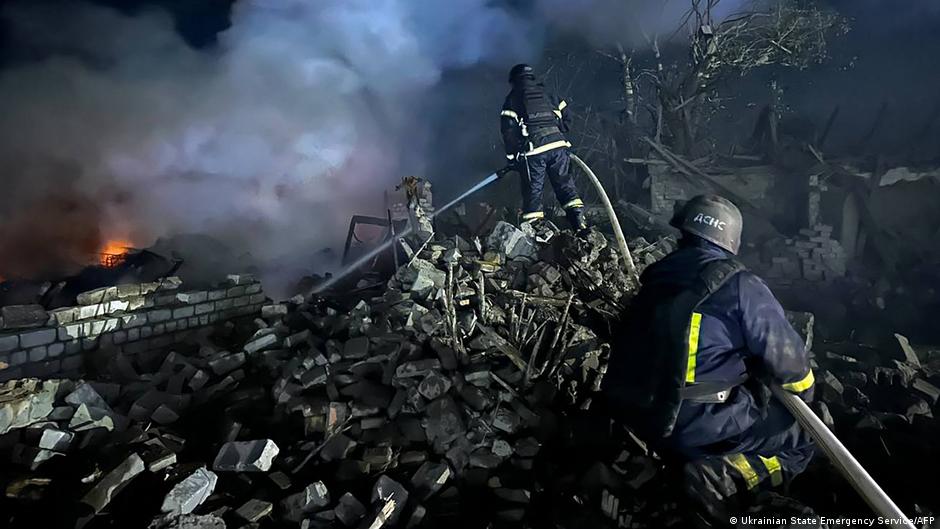
In a recent and grave escalation of the conflict in Ukraine, President Volodymyr Zelensky announced that Russian forces employed a ballistic missile originating from North Korea during an attack on a suburb of Kryvyi Rih. The missile strike resulted in the death of a large family, including children, marking a concerning development in the war's military dynamics.
Emergence of North Korean Ballistic Missiles in Ukraine Conflict
The attack took place on July 30th in Radushne, Dnipropetrovsk Oblast, a village near Kryvyi Rih. Preliminary analysis indicates the missile was of North Korean origin, used by Russian forces for the first time in a considerable period. The strike devastated a private residence, killing six members of a single family, including a 6-year-old girl and boys aged 11 and 17.
President Zelensky underscored the necessity of further forensic verification but affirmed the missile's provenance based on early examinations. His statement highlighted the serious implications of increased military collaboration between Russia and North Korea, which could have broader regional and global security repercussions.
"At the moment, this is North Korean ballistics," Zelensky confirmed, emphasizing the need for international partners to escalate support for Ukraine’s air defenses and apply substantial pressure on Russia to deter further missile attacks.
Strategic and Economic Implications of Russian-North Korean Military Ties
Earlier in July, Zelensky had warned that Russia aims to deploy an additional 30,000 North Korean troops, and that Pyongyang was preparing to supply Moscow with new ballistic missile launch systems. This military partnership, formalized in a 2024 treaty on comprehensive strategic cooperation, reflects a growing alliance that may shift the balance of power in the region and complicate international arms control efforts.
The cooperation facilitates knowledge exchange, with Russia reportedly assisting North Korea in refining its warfare capabilities. This symbiosis presents a paradox for global economic and security frameworks, as the infusion of missile technology and personnel from North Korea could prolong the conflict and increase the scale of destruction, thereby impacting Ukraine’s reconstruction costs and broader economic stability.
From an economic perspective, the involvement of North Korean missile technology introduces new challenges for global arms control regimes and sanctions enforcement mechanisms. It potentially signals a diversification of arms suppliers to Russia that could undermine Western efforts to limit Russian military capacity through embargoes and sanctions.
Moreover, the human cost, exemplified by the tragic loss of civilian lives in Radushne, intersects with economic consequences such as population displacement and infrastructure destruction, which will necessitate extensive international aid and economic intervention in Ukraine’s war-torn regions.
President Zelensky's urgent appeal to allied nations underscores the critical need for advanced air defense systems to counter the evolving missile threat, emphasizing that condemnation alone is insufficient to halt the tide of missile strikes.
Historical Parallels and Future Risks
The collaboration between Russia and North Korea evokes Cold War-era proxy relationships where arms and expertise were exchanged to bolster aligned regimes. However, in the current multipolar world, such alliances introduce unpredictable dynamics with potentially wider geopolitical and economic ramifications.
This development raises concerns about the proliferation of ballistic missile technology beyond traditional state actors and the increased risk of escalation in the Ukraine conflict. The economic aftermath will likely reverberate across the global supply chains, energy markets, and defense spending patterns, highlighting the interconnected nature of modern conflict and economics.