Ukraine's Parliament Set to Approve Sergey Koretsky as New Prime Minister Amid Government Reshuffle
President Zelensky nominates Sergey Koretsky as prime minister, signaling significant shifts in Ukraine's economic and defense leadership.
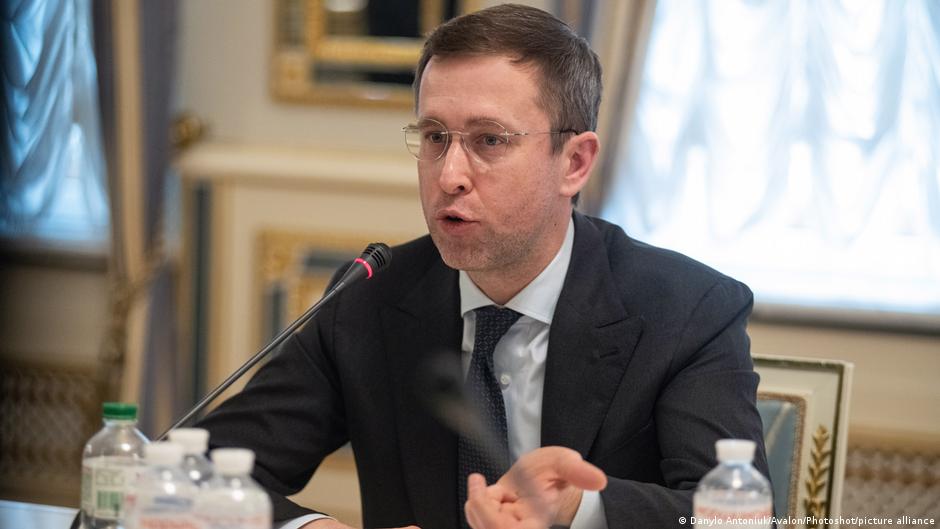
On July 16, Ukraine's Verkhovna Rada is scheduled to vote on the appointment of Sergey Koretsky as the country's new prime minister, following President Volodymyr Zelensky's formal nomination. This move comes after the parliament approved the resignation of former Prime Minister Yulia Svyrydenko on July 14, which effectively dissolved the entire cabinet government.
Svyrydenko had served as prime minister since July 17, 2025. Her departure marks a critical juncture for Ukraine's political and economic administration amid ongoing challenges. The selection of Koretsky, previously chairman of the board at Naftogaz—the nation's largest state-owned energy company—signals a strategic emphasis on economic restructuring and energy sector reforms.
Context and Implications of the Cabinet Reshuffle
The decision to replace the entire cabinet and elevate Koretsky to the premiership reflects deeper structural economic considerations. Initially, four candidates were considered for the prime ministerial role: Sergey Koretsky; Denis Shmyhal, the current Minister of Energy; Mykhailo Fedorov, the Minister of Defense; and Ihor Terekhov, mayor of Kharkiv. After consultations, Zelensky endorsed Koretsky as the preferred candidate.
Koretsky's background in Naftogaz, a pivotal player in Ukraine's energy landscape, underscores the administration's prioritization of energy security and economic stability. Ukraine's economy has been under severe strain due to ongoing geopolitical pressures and the imperative to reduce dependence on external energy supplies.
"The appointment of Sergey Koretsky aligns with Ukraine’s broader strategy to strengthen economic governance and energy independence," analysts observe, highlighting the critical role of effective management in the nation's recovery efforts.
In addition to Koretsky's appointment, the cabinet reshuffle includes significant changes in key ministries. Notably, Ihor Klymenko is expected to replace Mykhailo Fedorov as Minister of Defense, while Klymenko's current role as head of the Ministry of Internal Affairs would be filled by Ivan Vygovsky. This reshuffling within the defense and internal affairs ministries suggests an effort to enhance coordination and leadership in sectors crucial for national security.
Meanwhile, Andriy Sybiga will retain his position as Minister of Foreign Affairs, maintaining continuity in Ukraine's diplomatic engagements during a period of international uncertainty.
Historical Parallels and Structural Economic Consequences
Ukraine's government overhaul mirrors historical instances where political leadership changes aimed to reset economic policy frameworks during times of crisis. The emphasis on selecting a premier with extensive experience in the energy sector draws parallels to post-Soviet transitions when energy reform was a linchpin for economic stabilization.
The comprehensive cabinet changes could facilitate accelerated reforms in energy infrastructure, governance, and international cooperation, potentially improving investment climates. However, such rapid shifts also carry risks of political instability if the new leadership struggles to consolidate support within the parliament and among stakeholders.
Strategically, Koretsky's elevation could signal a pivot towards integrating energy policy with broader economic reforms, leveraging his expertise to navigate complexities related to Ukraine’s energy independence, fiscal sustainability, and post-conflict reconstruction needs.
As Ukraine moves forward with this government transition, the outcomes will likely have significant ramifications for the country's economic trajectory, regional stability, and its position in international economic frameworks.