Russia to Shut Goethe-Institut Branches as Berlin Tightens Sanctions
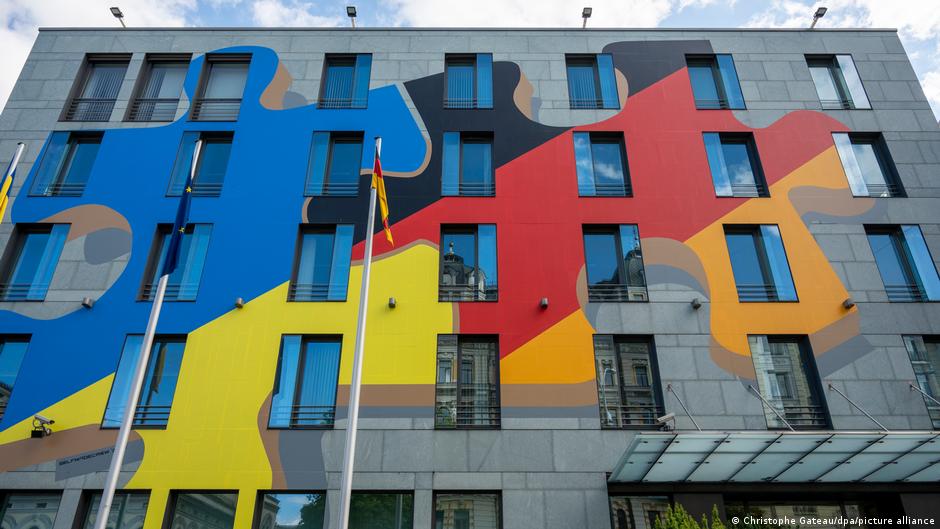
Russia says it will close Goethe-Institut branches after Berlin moved against the Russian House agreement amid a broader sanctions escalation.

Russia says it will close Goethe-Institut branches after Berlin moved against the Russian House agreement amid a broader sanctions escalation.

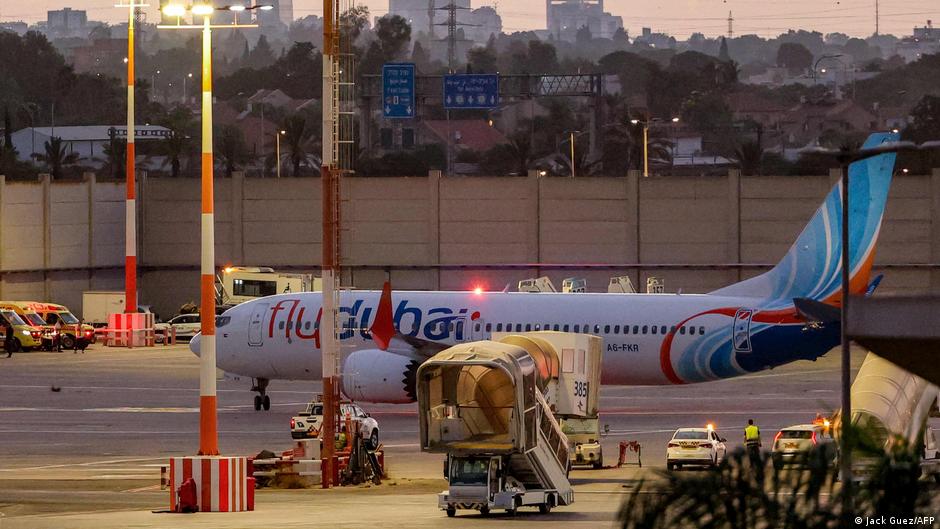
ICAO’s appeal after Ukraine’s warning over Russian airspace highlights how conflict risk is becoming a deeper structural cost for global aviation.

Uzbekistan has overhauled registration, licensing, tax policy and business-rights protection since 2016, redrawing the framework for private enterprise.

Daniel Driscoll’s reported resignation after a clash with Pete Hegseth adds to Pentagon turnover and raises questions over procurement, readiness and policy continuity.

Uzbekistan's first ID card fee is under scrutiny as regional comparisons show neighbors treating initial identity documents as a lower-cost or free public service.

Uzbekistan auctions its 100% stake in the 'Fonon' jewelry plant amid ongoing financial difficulties, significant debts, and asset encumbrances challenging state industrial reforms.

Meta’s $18 billion settlement mandates new child-safety rules reliant on flawed age-verification tech, raising privacy concerns and reshaping digital platform regulation.

Ilya Remeslo, a former pro-Kremlin blogger turned critic, has been detained following psychiatric evaluation amid charges of spreading false information about Russia's military.

The U.S. has removed Syria from its terrorism sponsorship list after nearly 50 years, signaling new economic opportunities and shifting geopolitical dynamics in the Middle East.

Russia has created a shadow air fleet using military and private aircraft to sustain its operations in Africa’s Sahel, evading Western sanctions through complex logistics.

Russian security forces detained nearly 100 youths at a Vyborg-area music festival for pro-Ukraine songs and alleged regime change calls, signaling intensified cultural repression.

Russia has eased vehicle operation restrictions, enabling individuals with limb loss to drive buses and trucks, reflecting evolving labor policies amid veteran reintegration challenges.

Finland summons Russian ambassador after an IL-20 reconnaissance plane briefly violated Finnish airspace, reflecting rising Baltic regional tensions and security concerns.

Latvia has publicly listed 170 companies trading with Russia and Belarus amid the Ukraine war, aiming to increase transparency and influence economic behavior.

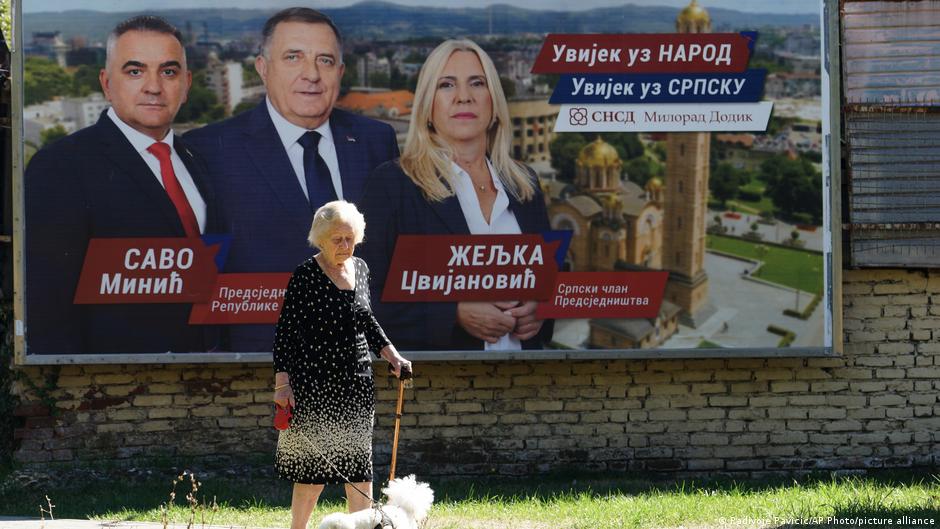
Serbia announces early parliamentary elections in October 2024 amid prolonged protests demanding anti-corruption reforms and political change.

Former Ukrainian Defense Minister Mikhail Fedorov calls for legally secure elections during the ongoing war, emphasizing democracy must not be held hostage by conflict.

Russia's election head Ella Pamfilova advocates stripping voting rights from emigrants labeled as 'foreign agents,' highlighting tensions over diaspora engagement and electoral integrity.

Protests in Kyiv and other cities demand reinstatement of Mykhailo Fedorov as defense minister, criticizing recent government appointments and calling for reform continuity amid governance challenges.

Jared Kushner’s talks with Hamas reveal the intricate challenges of disarmament and governance reforms essential for Gaza's fragile peace prospects.

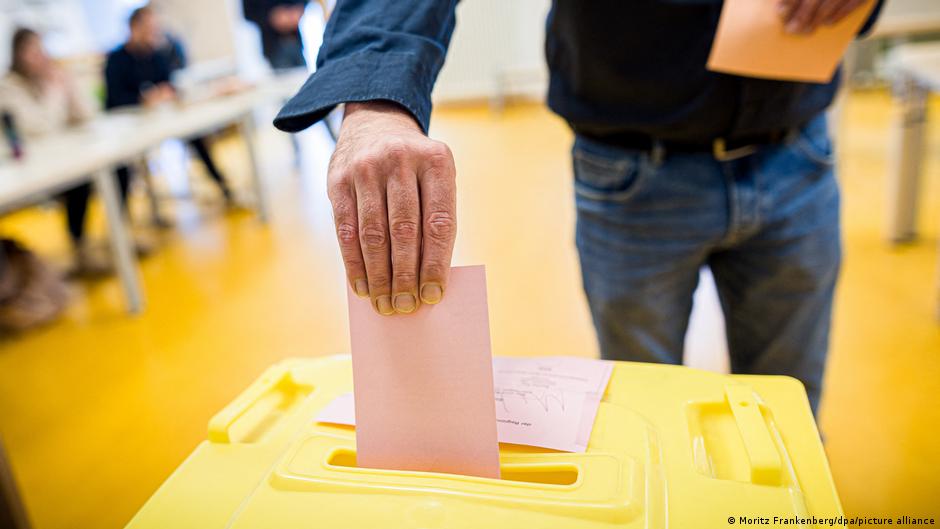
Germany’s CDU/CSU support falls to 20%, with far-right AfD leading polls ahead of key state elections, reflecting volatile voter behavior and shifting political allegiances.

Venezuela released 131 political prisoners after initial reconciliation talks, agreeing also on judicial reforms amid ongoing economic and political challenges.

The Cl0p hacker group linked to Russia claims to have breached nearly 50 multinational corporations, highlighting growing cybersecurity risks with broad economic consequences.

Caroline Leavitt resigns as White House Press Secretary to focus on family, highlighting the challenges of balancing high-level political roles with parenting.

Raytheon and Lockheed Martin fear that licensing Patriot missile production to Ukraine may enable rapid, cost-effective manufacturing and technological improvements, raising strategic concerns.

NORAD F-16 fighters intercepted two civilian aircraft violating temporary flight restrictions over Trump’s New Jersey golf club, highlighting tensions between security and civil aviation operations.
Germany faces rising hybrid warfare threats amid drone attacks, prompting new research and security efforts to protect critical infrastructure and economic stability.

A drone strike on Belgorod caused injuries and damaged residential and administrative buildings, highlighting risks to civilian infrastructure amid escalating border tensions.

Ukrainian President Zelensky’s visit to Serbia aims to strengthen economic ties and address security, challenging traditional Russian influence amid regional tensions.

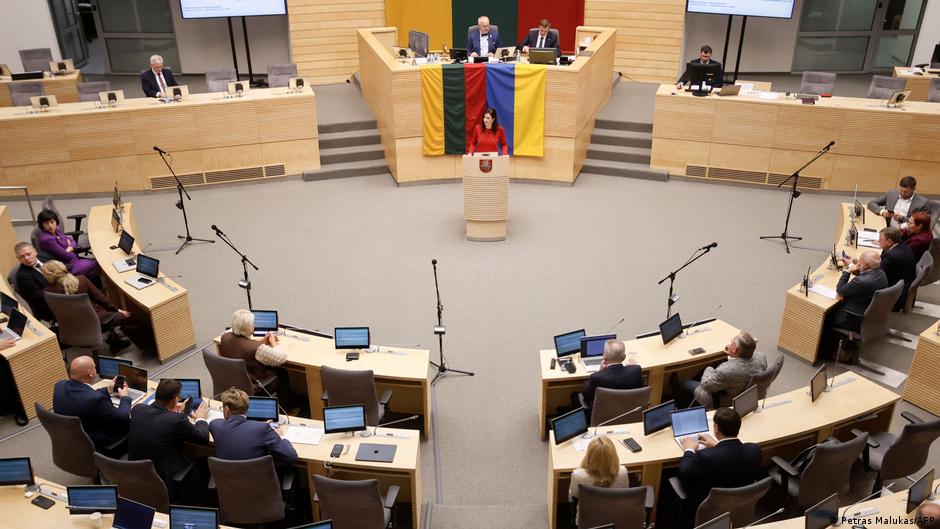
Lithuania warns Russia may use captured Ukrainian drones to attack Baltic infrastructure, escalating hybrid warfare risks with significant economic and security impacts.

Russia's Prosecutor General has declared the American Human Rights Foundation "undesirable" due to its critical projects and leadership changes in 2024.

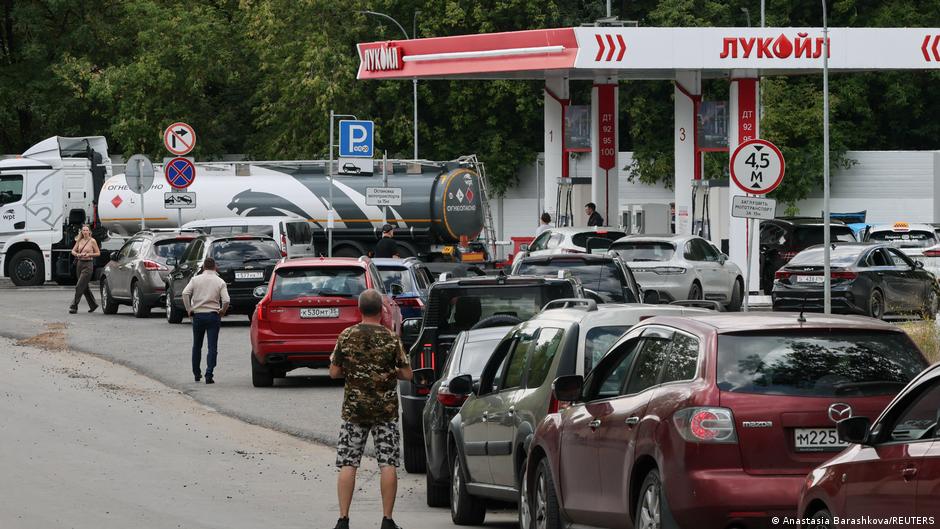
Russia permits sale of Euro-2 to Euro-4 fuels until 2027, citing energy infrastructure damage and a fuel supply crisis triggered by conflict-related disruptions.

With over 8.4 million Ukrainians living abroad amid ongoing conflict, Ukraine faces significant demographic and economic challenges reshaping its future recovery.

Venezuela’s government and opposition will engage in direct talks in Caracas to discuss earthquake aid and electoral reforms amid economic and political crises.

Spain's enclave Ceuta faced a sudden migrant influx, exposing economic, political, and border security challenges for Spain and the EU's Schengen framework.

Uzbekistan introduces a subsidy covering up to 50% of costs for building modern swimming pools, promoting tourism, sports infrastructure, and job creation until 2028.
Uzbekistan advances its digital transformation with plans for a national navigation system, unified public administration platform, and expanded IT sector incentives.

US President Donald Trump declared a historic agreement with Hamas for full disarmament, marking a crucial step toward peace and political restructuring in Gaza after years of violent conflict.

Belarus mandates military training for underperforming agricultural workers to enforce discipline and secure harvest productivity amid economic and geopolitical challenges.

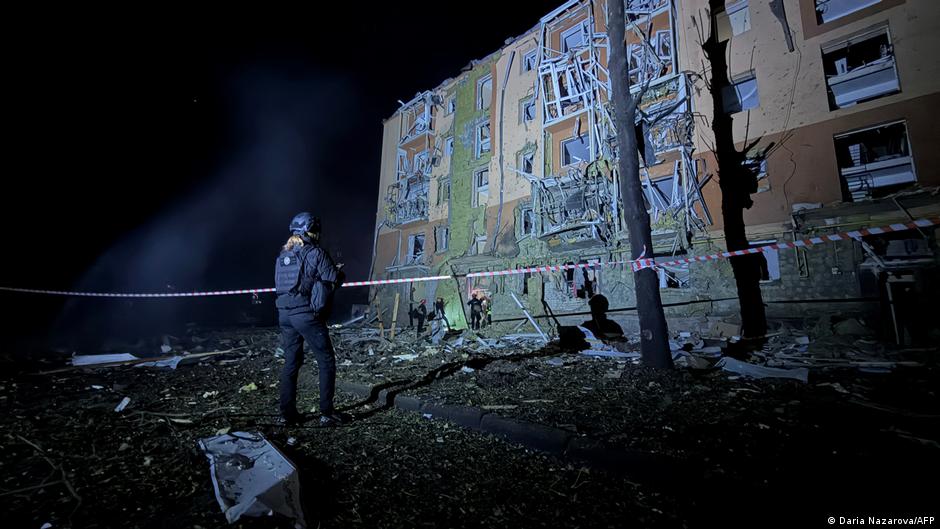
Russian missile and drone strikes on multiple Ukrainian cities caused civilian deaths and infrastructure damage, highlighting the conflict's escalating economic and social toll.

The U.S. Senate advances the Graham Sanctions bill to impose steep tariffs on Russia and its energy partners, signaling a strategic intensification of economic pressure.

Austria plans to extend mandatory military service to nine months, responding to evolving security threats including hybrid warfare and cyber risks.

Germany’s Federal Criminal Police Office reports 410 Islamist threats amid rising radicalization consultations and debates on prevention strategies after a deadly Berlin attack.

Germany's Transport Minister Patrick Schnieder resigns amid internal CDU tensions, with Steffen Bilger nominated as his successor during a period of significant policy challenges.

The UK has transferred intellectual property rights of the Stone Cloak electronic warfare system to Ukraine, enabling Kyiv to produce it domestically at scale amid ongoing conflict.

Russian-linked bot networks have intensified disinformation efforts targeting German regional elections, spreading fake media to sway voter opinions in eastern states.

CSU leader Alexander Hoffmann urges Ukraine to transfer advanced drone technologies to Germany under an intergovernmental agreement, aiming to enhance Bundeswehr's defense capabilities.
Montenegro plans to end visa-free travel for Russian and Belarusian citizens by October 31, 2026, aligning with EU accession requirements and impacting migration and economic ties.

Russia’s oil and gas revenues in July may exceed last year’s by 60%, driven by higher prices and taxes despite EU sanctions aimed at restricting budget financing.

The US has lifted sanctions on Miami-based Bel-Kap-Steel linked to Belarus's metallurgy sector amidst the release of political prisoners and eased diplomatic tensions.

Russia’s oil product production index fell nearly 22% in June amid war-inflicted damage to refining capacity, signaling deep structural economic challenges.