Analysis of Reported Killings of Ukrainian POWs Highlights Grave War Crimes and Economic Implications
At least 345 Ukrainian soldiers who surrendered have reportedly been executed, raising concerns about war crimes and the broader human and economic costs of ongoing conflict.
The ongoing conflict between Russia and Ukraine continues to reveal deeply troubling humanitarian violations that have profound economic and structural consequences. According to recent reports, since the full-scale invasion began in February 2022, Russian forces have allegedly executed at least 345 Ukrainian soldiers who surrendered on the battlefield.
War Crimes and Their Legal and Economic Dimensions
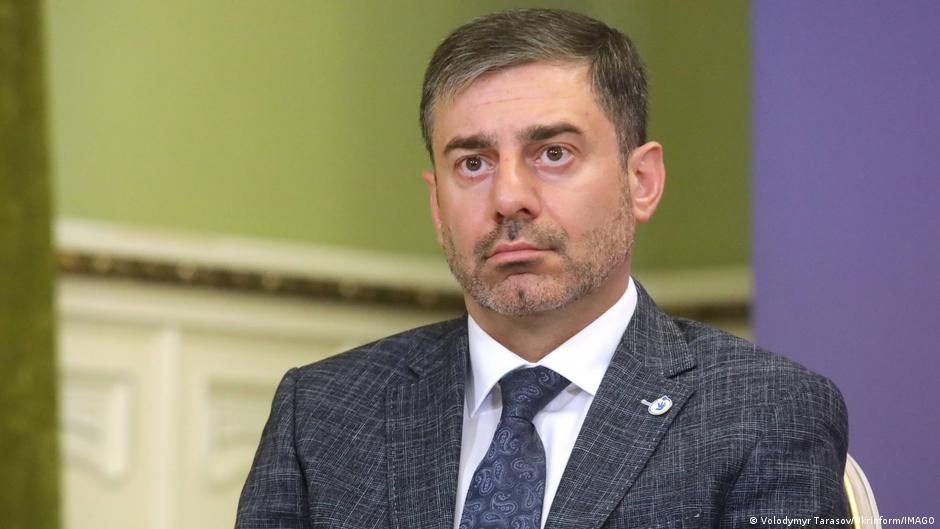
Dmitry Lubinets, the Ukrainian Parliament's Commissioner for Human Rights, has publicly confirmed that these executions were documented, including through video evidence, where Ukrainian military personnel clearly demonstrated their intent to surrender by laying down arms, raising their hands, or lying on the ground. Despite these clear signs, these soldiers were reportedly killed at close range.
"The killing of soldiers who surrendered is a war crime under the Geneva Conventions and must be legally classified as the execution of prisoners of war," Lubinets declared.
The execution of prisoners of war (POWs) is not only a grave violation of international humanitarian law but also a factor that can exacerbate the protraction of conflict by hardening attitudes and reducing incentives for surrender or ceasefire negotiations. This perpetuates further violence and destruction, deepening economic damage in the affected regions.
Moreover, Ukraine has documented 375 deceased individuals—both soldiers and civilians—who died after being verified as prisoners of war by the International Committee of the Red Cross and whose bodies were returned from Russian custody. These fatalities highlight the deteriorating conditions and treatment of detainees.
The Systematic Use of Torture and Its Broader Implications
Beyond execution, reports indicate widespread use of torture against Ukrainian POWs detained in Russian prisons. The forms of torture align closely with those classified in the Istanbul Protocol, the United Nations' international standard for identifying and documenting torture for judicial purposes. These include beatings, electric shocks, sexual violence, psychological pressure, intimidation using dogs, and mock executions.
Lubinets noted, "We have recorded 695 forms of torture applied to Ukrainian POWs and civilian hostages, alongside 860 documented cases of inadequate detention conditions. An estimated 95% of Ukrainian POWs have endured systematic torture in Russian detention facilities."
This widespread mistreatment not only violates human rights but generates ripple effects that affect Ukraine's social fabric and economic recovery prospects. The long-term physical and psychological damage to survivors strains healthcare systems and complicates reintegration efforts. Additionally, the brutalization of detainees may harden societal divisions and obstruct post-conflict reconciliation.
Economic Consequences of Sustained Conflict and Human Rights Violations
The documented atrocities contribute to a climate of fear and instability that undermines economic activity both in conflict zones and beyond. The destruction of human capital, disruption of labor markets due to casualties and detentions, and the diversion of state resources toward military and humanitarian responses collectively stifle growth and development.
Furthermore, the international community's response to such violations often includes sanctions and geopolitical isolation, which can have wide-reaching effects on trade relations, investment flows, and economic cooperation. For Ukraine, the compounded effects of war crimes and ongoing conflict present significant hurdles to rebuilding infrastructure, restoring governance, and attracting foreign investment.
Historical Parallels and Structural Challenges
Historically, conflicts involving systematic violations of POW rights have led to prolonged regional instability and economic stagnation. The erosion of legal norms governing warfare undermines international order, increasing the risks of escalation and spillover effects.
Addressing such violations is critical not only for justice but also for enabling economic recovery and long-term stability. Robust mechanisms for accountability, prisoner protection, and conflict resolution must accompany economic reconstruction efforts to ensure sustainable outcomes.
In conclusion, the documented execution and torture of surrendered Ukrainian soldiers underscore the severe humanitarian crisis embedded within the conflict. These acts carry profound legal, social, and economic ramifications that extend far beyond the battlefield, demanding comprehensive approaches that integrate human rights protections with economic and structural recovery strategies.