Around 100 Detained at Russian Festival Over Ukraine Support Songs and Regime Change Calls
Russian authorities raided an informal music festival near Vyborg citing pro-Ukraine songs and alleged calls to change the regime.
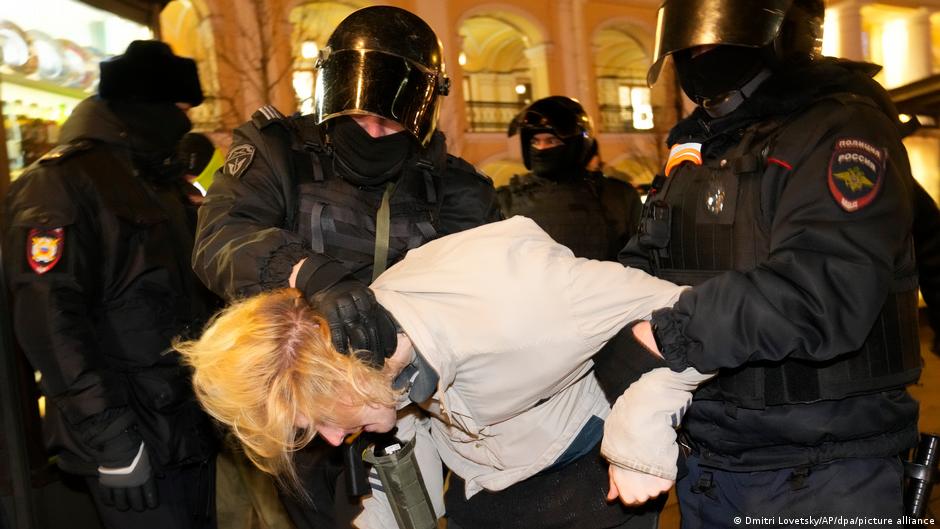
On August 22, Russian security forces conducted a large-scale raid on an informal music festival held near Vyborg, close to the Finnish border. Approximately 100 attendees were detained, accused of performing songs supporting Ukraine and calling for regime change in Russia, according to state media reports and local outlets.
Context and Political Significance of the Raid
The event, described by police sources as a "left-radical" festival, has reportedly been held regularly since 2023. Organizers keep the location secret until roughly a day before the event to avoid detection. Previous editions of this gathering were known unofficially as "Unhealthy Lifestyle" (Нездоровый образ жизни, NOZ).
Security forces, including special police units, sealed off the forested area where the festival took place. The authorities cited multiple reasons for the intervention: singing songs supporting Ukraine, calls for regime change in Russia, and widespread drug use among participants. Reports also noted Ukrainian symbols displayed on handmade stages, amplifying the political sensitivity of the event.
During the raid, numerous young people, mostly in their twenties, were detained and forced to lie face down with hands behind their heads. Some were pressured on camera to admit drug use. Drones, reportedly used by participants to film the festival, were seized, and law enforcement is considering launching criminal proceedings.
"The festival's organizers traditionally reveal the venue only to select participants shortly before the event, reflecting an underground culture resistant to state control."
The crackdown can be seen as part of a broader effort by the Russian government to suppress dissent, especially cultural expressions perceived as sympathetic to Ukraine amidst the ongoing conflict. The description of the festival as "left-radical" suggests an ideological framing aimed at delegitimizing opposition voices.
Economic and Structural Implications
While the immediate impact of the raid is political repression, it also demonstrates the growing challenges for Russia's informal cultural sectors and their economic underpinnings. Such underground festivals represent not only spaces for cultural expression but also small-scale economic ecosystems involving organizers, vendors, artists, and local suppliers.
Repeated state interventions disrupt these networks, discouraging participation and investment. This repression could stifle alternative economies and cultural innovation, pushing activities further underground and increasing operational risks and costs. Over time, this dynamic may contribute to a shrinking cultural economy, limiting opportunities for youth engagement and economic diversification.
Furthermore, the state's framing of these events as security threats heightens scrutiny over any independent social gatherings, potentially extending controls into broader sectors of informal work and entrepreneurship. Such trends align with a pattern where political priorities override economic freedoms, reducing the space for civil society and alternative economic models.
Historical Parallels and Future Outlook
Historically, authoritarian regimes have often targeted cultural events that foster alternative narratives or challenge official ideology. The Russian crackdown on this festival echoes past episodes where youth subcultures and underground arts were suppressed to maintain political control.
The current events near Vyborg thus reflect a deeper structural tension between state security imperatives and emerging grassroots cultural movements. How this balance evolves will influence Russia's socio-economic fabric, particularly the prospects for liberalization or further consolidation of state power.