Colombia Declares National Emergency After Devastating 7.4 Magnitude Earthquake
A powerful earthquake triggered a national crisis in Colombia, raising urgent questions about infrastructure resilience and economic stability.
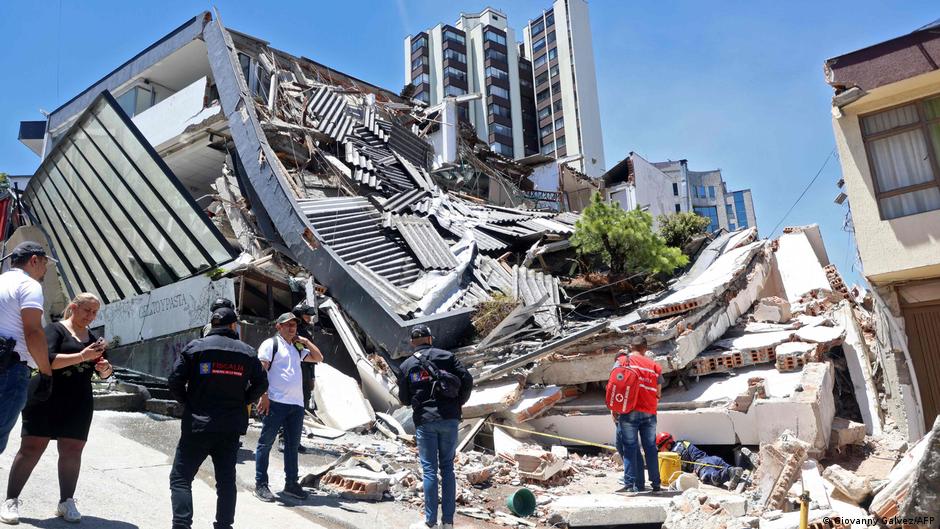
On August 10, Colombia was struck by a powerful earthquake measuring magnitude 7.4, prompting President Abelardo de la Espriella to declare a nationwide state of emergency. The disaster has resulted in at least 132 fatalities and over 570 injuries, according to regional authorities. This seismic event, the strongest recorded in Colombia this century, has inflicted widespread damage on housing, healthcare facilities, and educational institutions, raising critical concerns about the country's preparedness to withstand such natural catastrophes.
Economic and Structural Impact Amidst Political Transition
The earthquake occurred just three days after de la Espriella took office, at a depth of approximately 103 kilometers near San José del Palmar in western Colombia. Major urban centers including Pereira, Cali, and Manizales have been severely affected, with more than 1,500 residential buildings damaged and around 60 structures completely collapsed. The destruction extends to 18 hospitals and 52 schools, emphasizing the earthquake’s profound strain on public infrastructure.
These damages not only present immediate humanitarian challenges but also threaten Colombia’s longer-term economic prospects. The destruction of critical infrastructure disrupts healthcare delivery and education, essential components of human capital development, which could slow economic growth and exacerbate social inequalities.
"All institutional resources will be mobilized to adequately respond to the catastrophe, with a priority on rescuing those trapped beneath debris," President de la Espriella affirmed in response to the crisis.
In the context of Colombia’s ongoing political and economic reforms, the earthquake compounds existing challenges. De la Espriella, who recently succeeded left-wing President Gustavo Petro, has emphasized a security-focused agenda targeting armed groups involved in narcotics and advocates for economic deregulation. The natural disaster could influence the administration’s capacity to implement these reforms, as resources may be redirected towards reconstruction efforts.
The United States responded swiftly by pledging $15.5 million in emergency aid. The U.S. State Department reiterated its commitment to closely cooperate with Colombia in bolstering regional security, curbing illegal immigration, and strengthening economic ties. This assistance underscores the geopolitical significance of Colombia within the hemisphere, especially given the new administration’s alignment with Washington’s priorities.
Historical Context and Structural Vulnerabilities
Colombia’s geographic position along the Pacific Ring of Fire makes it vulnerable to seismic activity. However, the intensity of this earthquake and the scale of damage highlight structural weaknesses in urban planning and disaster preparedness. Many affected cities feature informal housing and infrastructure that lack adequate resilience standards. Historically, Colombia’s investment in disaster mitigation has lagged behind other Latin American countries with similar seismic risks.
Moreover, this catastrophe arrives as Colombia is navigating complex economic transitions. The country’s efforts to deregulate markets and clamp down on illicit armed groups rely heavily on stable governance and social order. Natural disasters can disrupt these dynamics by diverting fiscal resources and shifting policy priorities.
In the past, nations experiencing significant natural disasters without robust institutional frameworks have faced prolonged economic setbacks, including lower growth rates and increased poverty levels. For Colombia, sustaining economic momentum will require not only effective emergency response but also strategic investments in resilient infrastructure and social safety nets.
Looking forward, the earthquake serves as a stark reminder of the importance of integrating disaster risk management into national development planning. Addressing Colombia’s structural vulnerabilities is critical to safeguarding its socioeconomic progress against future shocks.