Drone and Missile Strikes in Odessa and Dnipro Cause Civilian Casualties and Infrastructure Damage
Russian attacks on Odessa and Dnipro result in multiple injuries and damage to residential and public buildings, highlighting ongoing conflict's economic and social impact.
Impact of Recent Military Strikes on Urban Infrastructure and Civilians
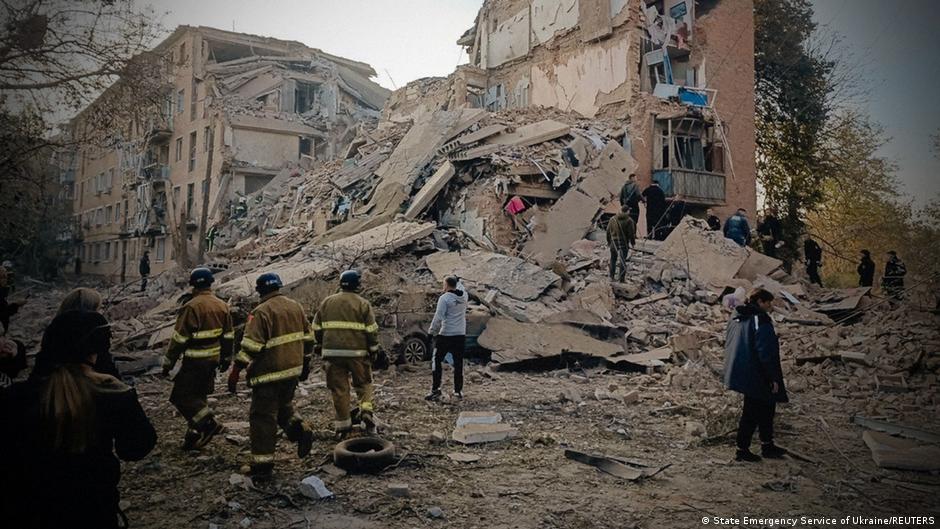
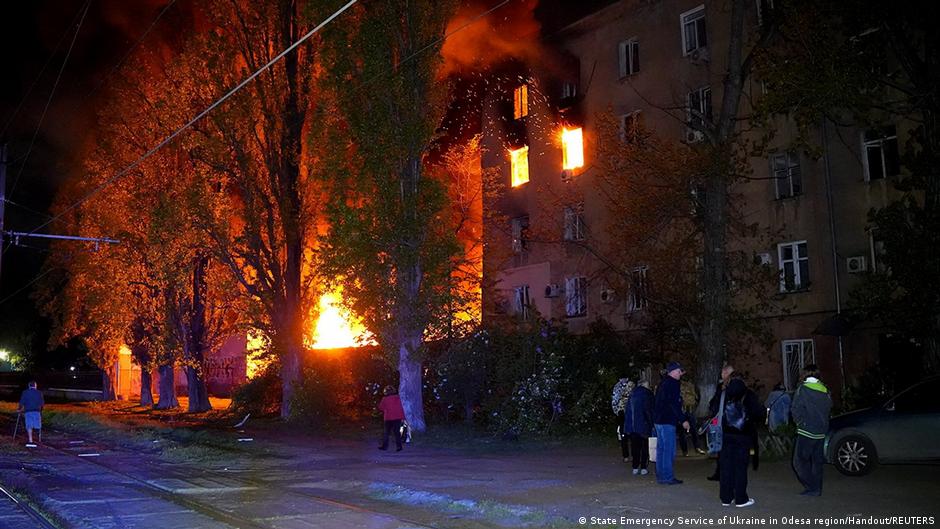
On the night of May 18, the southern Ukrainian city of Odessa suffered damage to residential buildings and injuries to civilians following attacks by unmanned aerial vehicles (UAVs) attributed to Russian forces. According to the head of Odessa's military administration, Sergei Lysak, an 11-year-old boy and a 59-year-old man were wounded in these strikes. The attacks also damaged a lyceum and a kindergarten, indicating the targeting or collateral damage of civilian infrastructure.
Simultaneously, the city of Dnipro in eastern Ukraine endured a missile strike by Russian armed forces, resulting in nine injuries and multiple fires, including one atop a 24-story residential building. Alexander Ganja, the head of Dnipropetrovsk regional military administration, reported that rockets hit a residential area, leading to significant urban fires and trapping people inside their homes. Four of the injured have been hospitalized with moderate injuries, while five others, including a 10-year-old boy, are receiving outpatient care.
Emergency response teams and operational headquarters have been deployed in both cities to provide assistance and mitigate the aftermath of the attacks. The coordinated activity of emergency and utility services has been critical in addressing fire outbreaks and structural damages, but the incidents underscore the vulnerability of urban centers amid ongoing hostilities.
Broader Economic and Structural Implications
"Damage to civilian infrastructure in cities like Odessa and Dnipro not only imposes immediate human costs but also threatens long-term economic stability and social cohesion."
The recent attacks contribute to a pattern of sustained assaults on Ukraine's urban infrastructure that have significant economic ramifications. Residential damages disrupt housing markets and impose substantial repair costs, while injuries to civilians impose burdens on healthcare systems and reduce workforce productivity. The damage to educational facilities such as lyceums and kindergartens interrupts education, potentially hindering human capital development in affected regions.
Historically, armed conflicts impacting urban environments generate cascading economic effects, including reduced investor confidence, disruption of local businesses, and increased government expenditure on reconstruction and social services. The dual strikes in Odessa and Dnipro illustrate the challenges faced by regional administrations in managing emergency responses while maintaining economic functionality during wartime.
Moreover, the psychological impact on affected populations, particularly children and vulnerable groups, may have long-lasting social costs, influencing migration patterns and demographic shifts. Reconstruction efforts, vital for restoring economic activity, will require substantial investment and international support, factors complicated by ongoing conflict dynamics.
In sum, these recent events underscore the intertwined nature of military actions and economic stability in conflict zones, revealing the pressing need for strategic planning to mitigate both immediate and structural consequences on Ukraine's urban centers.