Drone Attacks Disrupt Ozon Logistics Centers in Krasnodar and Stavropol Regions
Coordinated drone strikes on major Russian e-commerce warehouses cause fires, casualties, and significant logistical disruptions.
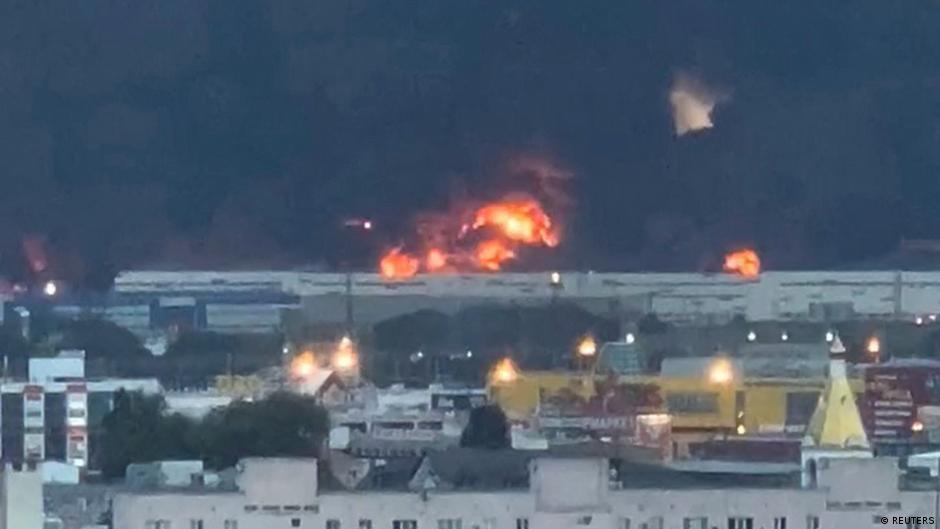
On August 24, drone attacks targeted key logistics centers of Ozon, one of Russia's leading e-commerce platforms, in the Krasnodar and Stavropol regions. The strikes resulted in significant fires, casualties, and operational halts, revealing vulnerabilities in regional supply chains and raising concerns about the resilience of critical infrastructure during periods of conflict.
Details of the Attacks and Immediate Impact
In Krasnodar, the city's mayor, Evgeny Naumov, reported that fragments from intercepted drones fell across several addresses in the Prikubansky district, causing damage beyond the primary target. The Ozon logistics center in Krasnodar suffered a large fire, leading to the evacuation of employees. Authorities confirmed no immediate fatalities at the warehouse itself, but tragically, two children died and nine individuals—seven children and two adults—were hospitalized after drone debris struck a local private children's center nearby.
"Fires erupted in storage facilities, emergency services are actively working to contain the blaze," Mayor Naumov stated, highlighting the severity of the incident.
Operational disruptions have been significant. The Krasnodar logistics center has ceased accepting seller deliveries, and online orders relying on this hub will face delays. Alternative facilities are being mobilized to reroute logistics to maintain supply chain continuity.
In parallel, a major Ozon facility in Nevinnomyssk, Stavropol Territory—a warehouse covering over 93,500 square meters used for food and non-food goods storage and order fulfillment—was also targeted. Residents reported explosions and smoke plumes, while Stavropol Governor Vladimir Vladimirov confirmed ongoing air defense efforts to neutralize drone raids aimed at the industrial zone.
Economic and Structural Implications
These attacks underscore the growing risks to critical logistics infrastructure amid geopolitical tensions. E-commerce platforms like Ozon depend heavily on centralized warehouses for fast distribution and inventory management. Disruptions at such nodes ripple through the supply chain, affecting consumer access to goods, seller operations, and regional economic activity.
The Krasnodar and Stavropol regions serve as important logistics corridors connecting southern Russia. Damage to key hubs there not only impacts regional commerce but also highlights the vulnerability of infrastructure in conflict-adjacent areas, where civilian facilities and industrial premises are intertwined.
Historically, logistics centers have been strategic targets during conflicts due to their role in sustaining economic activity and civilian livelihoods. The current incidents resonate with past disruptions seen in wartime economies, where attacks on supply chains precipitate broader socio-economic instability.
From a structural perspective, Ozon and similar enterprises may need to reassess their distribution networks, considering decentralization and increased security measures to mitigate risks of concentrated infrastructure attacks. The incidents also prompt a reevaluation of regional emergency response capabilities and urban planning to protect vulnerable civilian populations living near industrial zones.
In conclusion, the drone strikes on Ozon logistics centers in Krasnodar and Stavropol regions represent a severe challenge to Russia's e-commerce infrastructure, with immediate humanitarian consequences and longer-term economic repercussions. Addressing these vulnerabilities will be critical for maintaining supply chain resilience and safeguarding civilian welfare amid ongoing regional instability.