EU Pledges Continued Support for Ukraine Amid Independence Day Amid Ongoing Conflict
European Council President António Costa affirms sustained EU backing and sanctions pressure on Russia during Ukraine’s Independence Day.
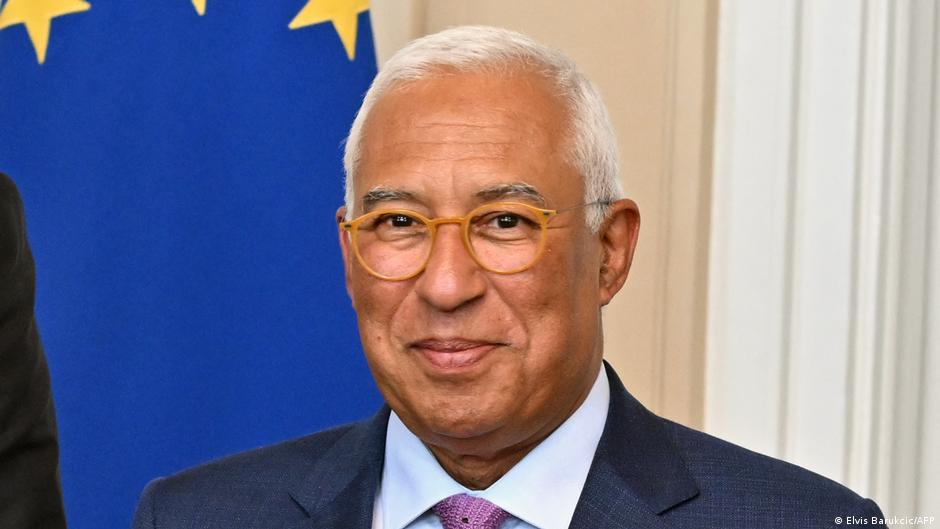
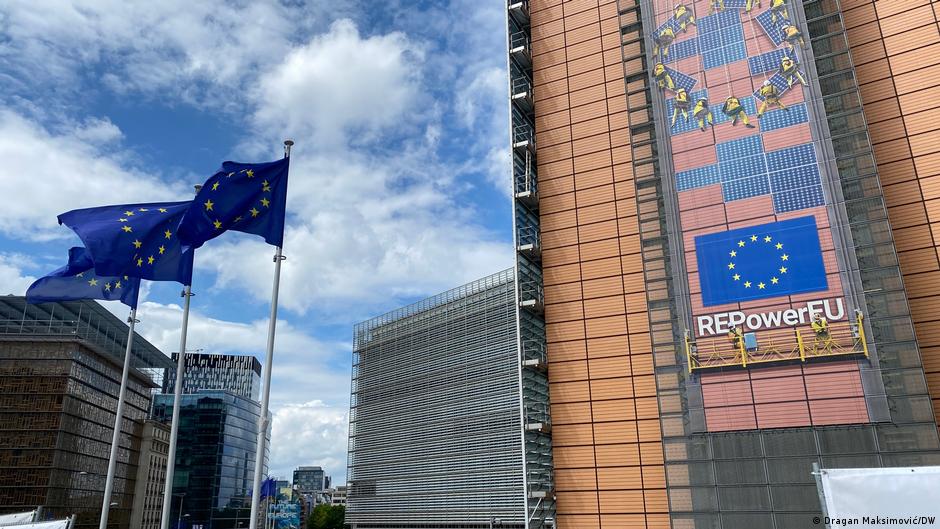
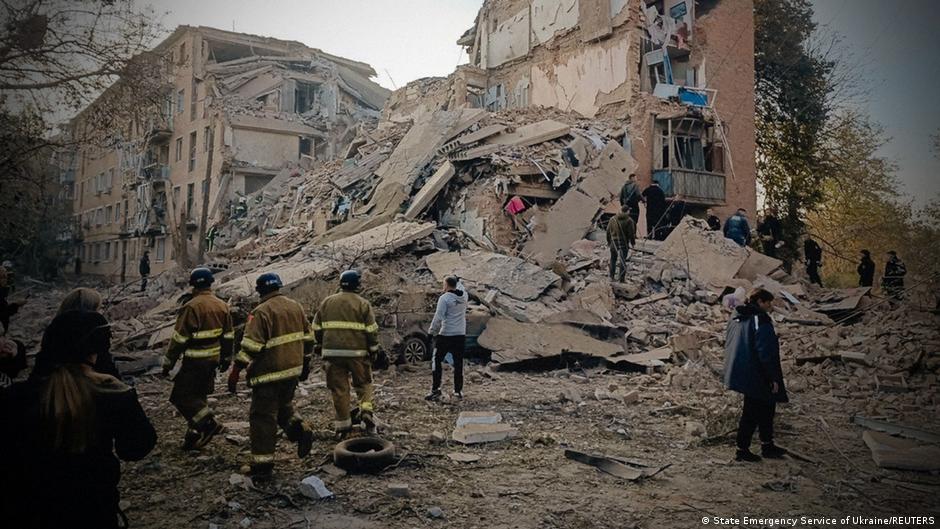
On August 24, Ukraine marks its Independence Day amid ongoing conflict and geopolitical tensions. In a statement coinciding with the occasion, European Council President António Costa reaffirmed the European Union's commitment to supporting Ukraine "as long as necessary"—through the war, peace negotiations, and eventual reconstruction.
Long-Term EU Commitment and Strategic Implications
António Costa emphasized that the EU’s vision for Ukraine extends beyond the immediate conflict. "The future of Ukraine as a member of the European Union is the best guarantee of security and long-term democratic stability—not only for Ukraine but for Europe as a whole," he stated. This declaration reflects a strategic positioning of Ukraine’s EU integration as an anchor for regional stability amid Russian aggression.
"We will continue to provide as much support as needed, for as long as it takes—during the war, in peace talks, and in rebuilding," Costa said.
The statement also highlighted the EU’s intent to maintain and intensify sanctions pressure on Russia until Moscow demonstrates a genuine commitment to ending the violence and engaging in peace negotiations. Costa pledged, "We will increase pressure until Russia stops the killings, shows sincere dedication to peace, and moves from the battlefield to the negotiating table."
This ongoing sanctions regime has profound economic and geopolitical reverberations. It influences energy markets, trade flows, and the broader security architecture in Europe. The EU’s approach represents a calculated mixture of economic deterrence and political signaling designed to compel Russia’s behavioral change without escalating direct military conflict.
High-Level Diplomatic Engagement in Kyiv
On the day of Ukraine’s Independence Day, Kyiv is hosting a summit of the "Coalition of the Willing," consisting of key international leaders who underscore continued global support for Ukraine’s sovereignty and European integration. Among the attendees is UK Prime Minister Rishi Sunak, marking his first foreign visit since taking office. Sunak will co-chair the coalition meeting and hold talks with Ukrainian President Volodymyr Zelensky.
Other prominent participants include German Chancellor Friedrich Merz and French President Emmanuel Macron, alongside leaders from Northern European and Baltic states. While some leaders attend in person, others are joining remotely via videoconference, reflecting the complex realities of international diplomacy in a pandemic and conflict environment.
This political solidarity is notable not only for reinforcing Ukraine’s diplomatic leverage but also for sending a broader message about the west’s strategic posture in Eastern Europe. The convergence of political will around Ukraine’s EU path hints at a deeper restructuring of European security and economic alliances in response to Russia’s invasion.
Economic and Structural Consequences
The EU’s sustained support and sanctions strategy on Russia are reshaping economic patterns regionally and globally. Ukraine’s integration aspirations push forward reforms and investment needs in governance, infrastructure, and energy diversification. At the same time, EU member states face challenges related to energy security, supply chain disruptions, and refugee inflows.
Historically, major conflicts and geopolitical shifts have served as catalysts for accelerated integration or fragmentation. The EU’s approach to Ukraine echoes past periods where economic and political integration was used as a stabilizing framework post-conflict—such as the post-World War II European Coal and Steel Community. Today, Ukraine’s case represents a potential pivotal moment in the 21st-century European project, balancing enlargement ambitions with security imperatives.
As the war continues, the EU’s role evolves from crisis manager to architect of a new regional order—where economic resilience, democratic governance, and collective security are intertwined. The independence anniversary thus serves as a reminder of the stakes involved: the peaceful future of Ukraine, the stability of Europe, and the enduring impact of economic and political choices made today.