Fuel Sales Restrictions Expand Across Russia Amid Ongoing Disruptions to Oil Industry
Russian authorities impose nationwide gasoline sales limits due to production slowdowns after drone attacks on oil refineries.
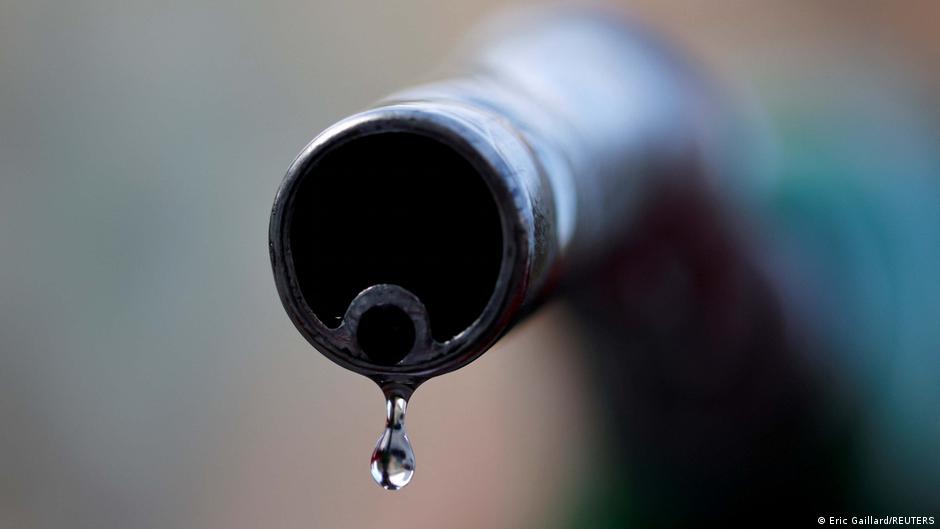
Russia is experiencing widespread fuel sales restrictions as its oil industry continues to struggle with the fallout from targeted attacks on key infrastructure. Since mid-June, several regions have reported significant limitations on gasoline and diesel sales, driven by production disruptions at oil refineries and storage facilities.
Impact of Drone Attacks on Refinery Operations
Ukrainian drone strikes against Russian oil processing sites have escalated since May, severely reducing the operational capacity of several major refineries. According to industry data, nationwide oil production fell to its lowest level in a year during May, directly linked to these attacks. Major refineries in central Russia were forced to curtail or completely suspend operations due to damaged infrastructure and safety concerns.
The resulting supply constraints have prompted regional governments and oil companies to introduce rationing measures on fuel sales to private consumers. For example, since June 23, the oil company Lukoil has limited gasoline sales to 30 liters per vehicle at its gas stations in Voronezh Oblast, with higher allowances on highways. Similarly, diesel fuel sales are capped at 60 liters per fill-up in the same region.
Regional Responses and Sales Limits
These restrictions are widespread, affecting at least 53 Russian regions, as well as Russian-annexed territories in Ukraine. Governors in multiple oblasts have announced rationing measures to prevent panic buying and speculative price hikes. Vitaly Khotsenko, governor of Omsk Region, set limits of 40 liters for gasoline and 80 liters for diesel per vehicle, citing the need to avoid artificial shortages and market distortions.
In Irkutsk, Governor Igor Kobzev acknowledged that certain gas stations have already imposed limits or ceased operations entirely. He described the situation as forcing authorities into a "manual mode" of managing fuel supply due to the crisis. Similarly, Roman Busargin, Saratov’s governor, announced a ban on gasoline sales exceeding 30 liters per vehicle from June 23 to June 30.
Additional regions instituting or considering similar measures include Amur, Tambov, Lipetsk, Tula, Tver, and Vladimir oblasts. The breadth of restrictions highlights the systemic nature of the fuel supply challenges and the government’s attempt to stabilize regional markets amid production bottlenecks.
Structural Economic Consequences
The ongoing fuel crisis underscores a critical vulnerability in Russia’s energy infrastructure. The concentrated nature of oil refinery assets, coupled with their exposure to targeted attacks, demonstrates how geopolitical conflict can disrupt domestic supply chains and impact consumer markets.
"The fuel supply constraints have forced regional authorities to impose rationing measures to prevent artificial shortages and speculative behavior," noted an industry analyst.
Beyond immediate consumer inconveniences, sustained disruptions to oil refining capacity could have broader macroeconomic consequences. Fuel shortages risk stalling transportation, logistics, and industrial activity, contributing to inflationary pressures and constraining economic growth. Additionally, the necessity of rationing reflects a shift from market-driven supply dynamics toward government-controlled allocation, which may weaken market signals and efficiency.
Historically, energy supply crises induced by conflict have forced economies to adapt through diversification, infrastructure investments, and strategic reserves. Russia’s current predicament may accelerate such structural responses, though in the short term, the fuel rationing measures indicate significant strain within the country’s energy sector.
Outlook
With drone attacks ongoing and refinery operations challenged, fuel supply constraints in Russia are likely to persist in the near term. The government’s rationing policies aim to mitigate immediate panic and ensure equitable distribution, but they also reveal deeper structural vulnerabilities within Russia’s oil industry.
Monitoring the evolution of these measures and their wider economic ramifications will be critical for understanding the interplay between geopolitical conflict and domestic economic stability in Russia going forward.