U.S. Threat to Ukraine Arms Pipeline Turns Energy Truce Into Economic Leverage
Reported U.S. pressure over Ukraine’s PURL weapons pipeline turns refinery strikes and an energy truce into a test of economic leverage.

Reported U.S. pressure over Ukraine’s PURL weapons pipeline turns refinery strikes and an energy truce into a test of economic leverage.

Zelensky warned that a U.S.-Russia diesel deal could strengthen Moscow’s war economy unless tied to clear de-escalation commitments.

Macron says France sees a Russian mobilization of about 300,000 as credible and warns Europe may face wider hybrid attacks.

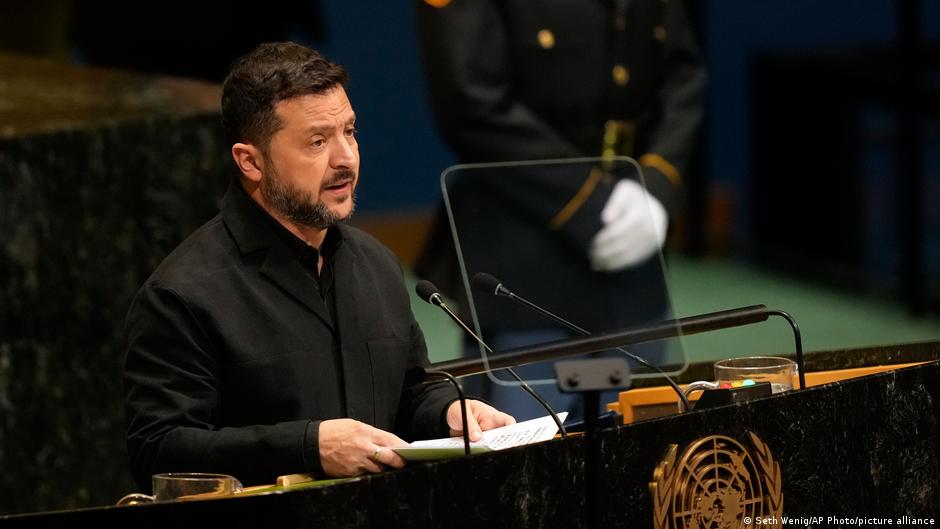
Zelenskyy told the UN that Putin is spreading the idea of war globally and said Ukraine aims to weaken Russia’s ability to finance the conflict.

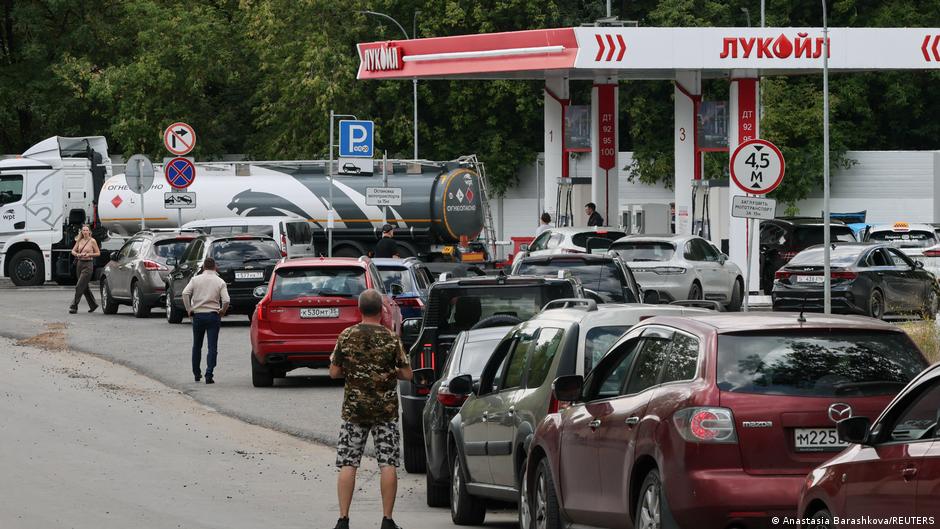
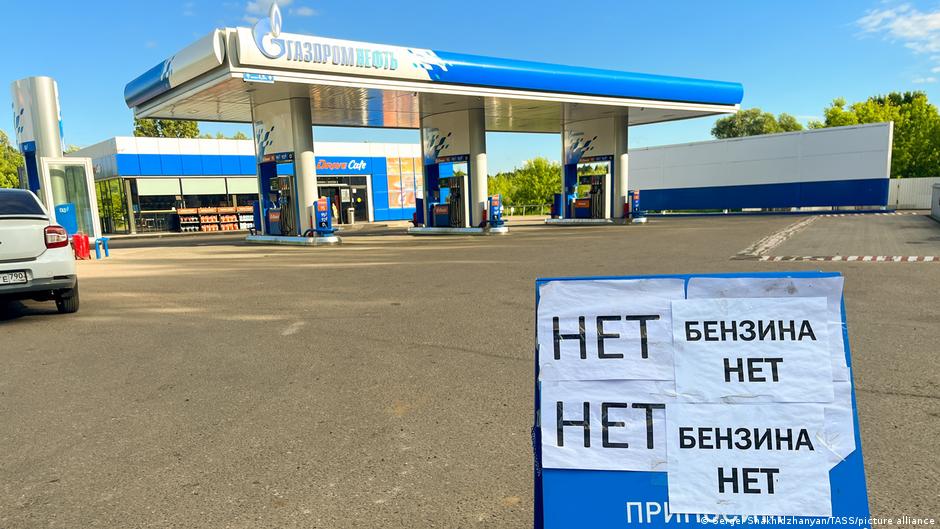
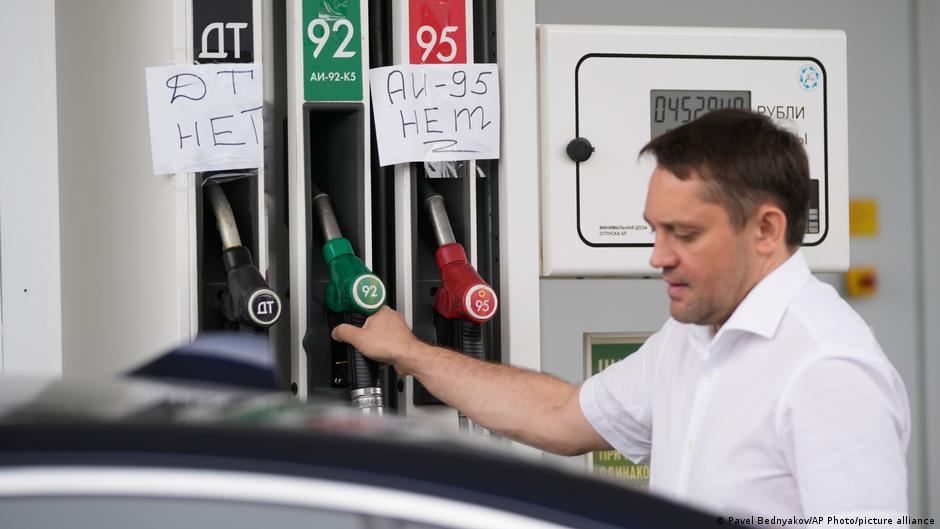
Kaluga and Zabaikalsky Krai have restored gasoline limits as refinery strikes deepen Russia’s second wave of fuel shortages.

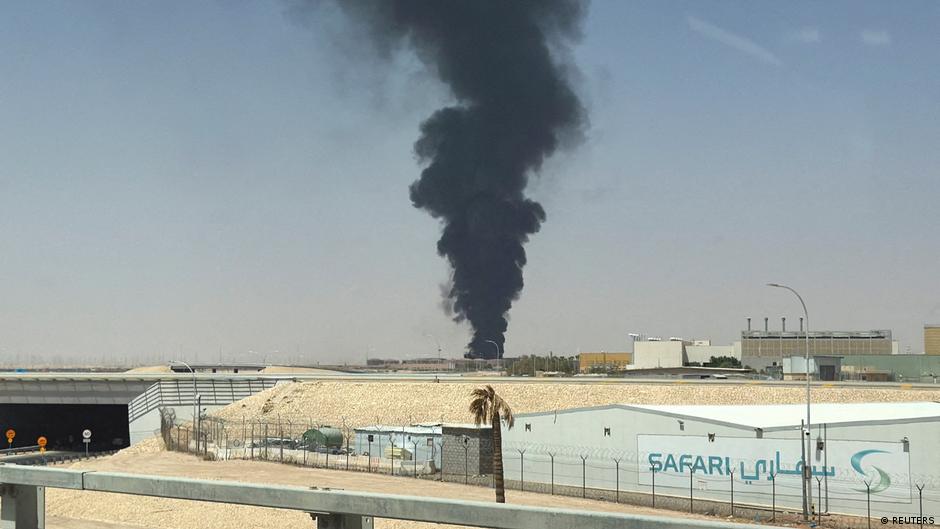
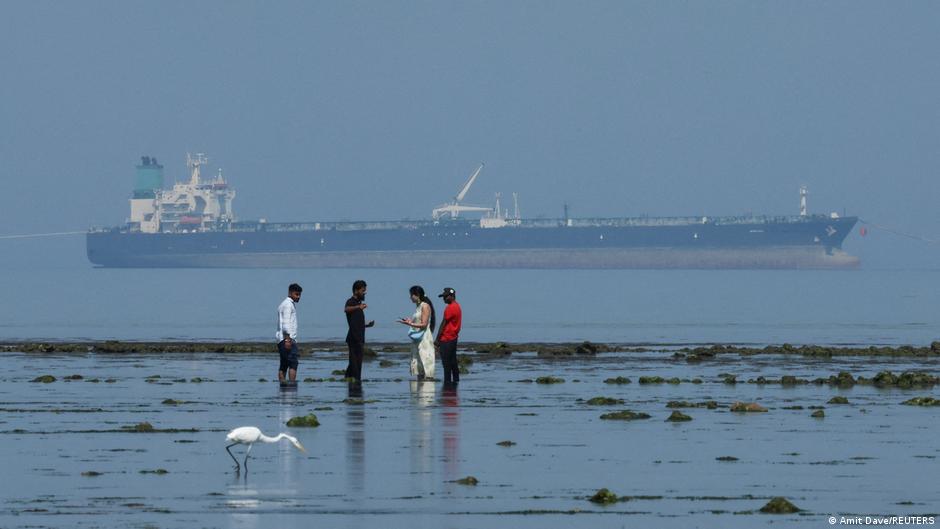
Saudi Arabia says it intercepted a Houthi missile aimed at Riyadh as attacks put renewed pressure on Yanbu, Aramco and vital Red Sea oil routes.

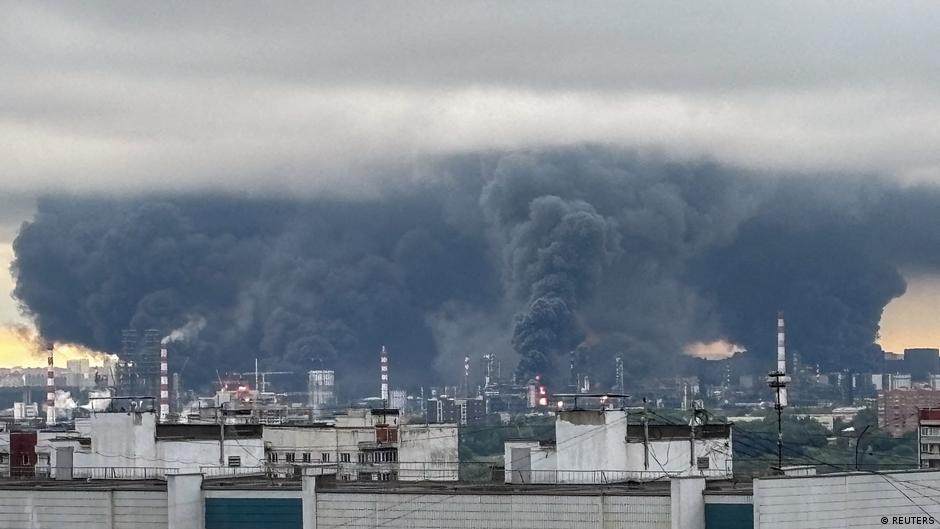
Reported drone attacks near Moscow killed two people and disrupted refineries, logistics sites, housing and airports, widening Russia’s economic exposure.

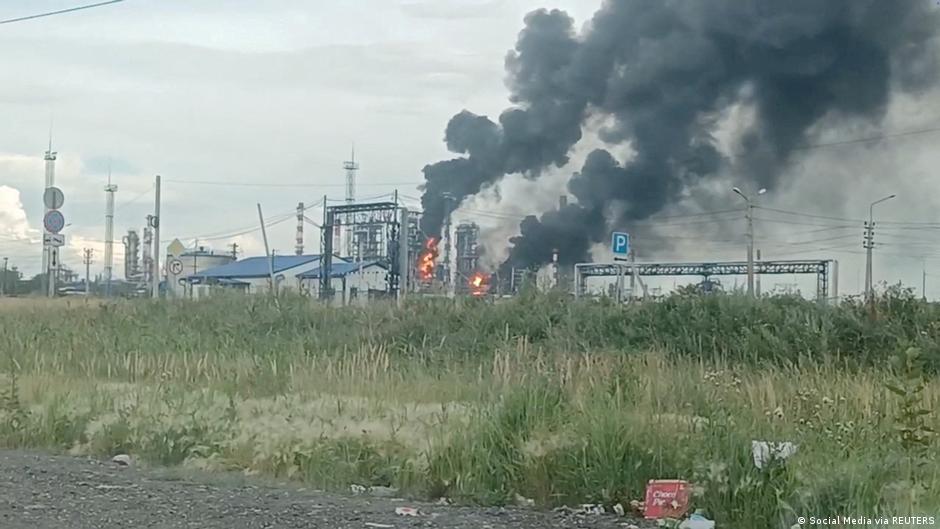
Drone damage has halted the Yaroslavl refinery, adding to Russia’s fuel shortages and exposing vulnerabilities in wartime refining capacity.

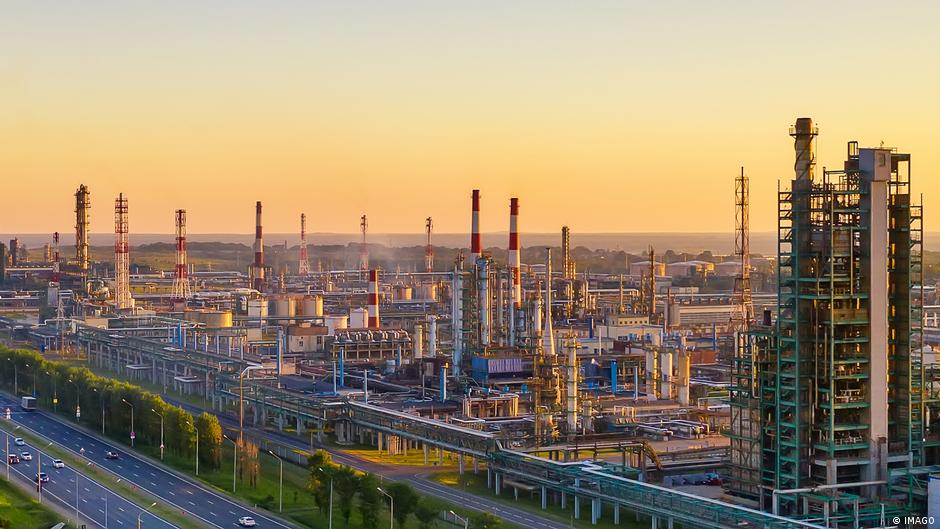
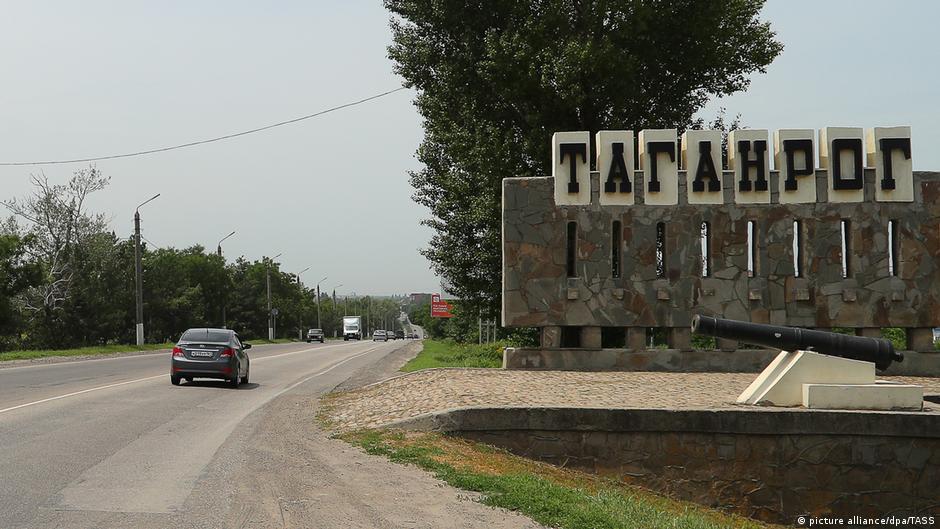
Strikes on Syzran and Taganrog exposed mounting pressure on Russia’s refining, logistics and industrial networks amid talk of an energy ceasefire.

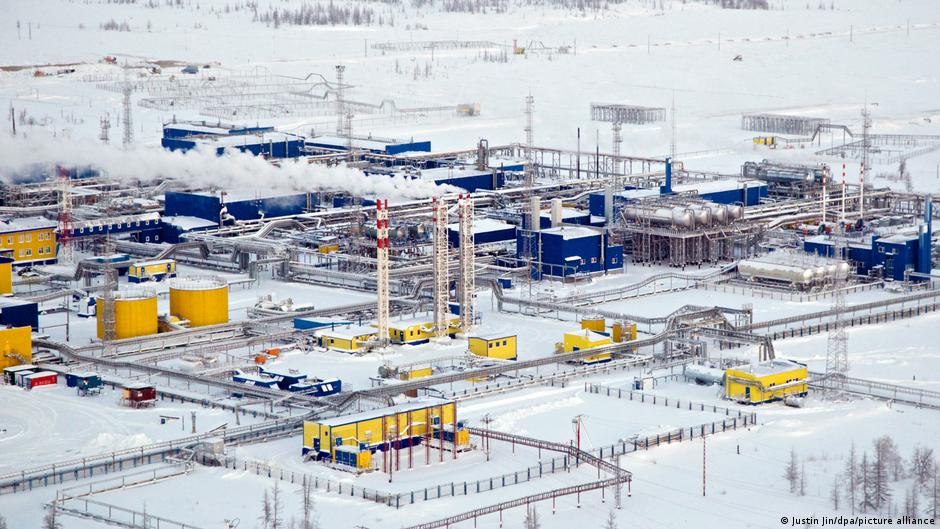
A first reported drone attack on Yamal-Nenets puts Russia’s Arctic gas infrastructure under new scrutiny as economic risks widen.

Ukraine’s Security Service reports a 40-day campaign targeting over 100 Russian strategic sites, severely impacting military and energy infrastructure to pressure Russia towards ending the conflict.

Russia’s oil product production index fell nearly 22% in June amid war-inflicted damage to refining capacity, signaling deep structural economic challenges.

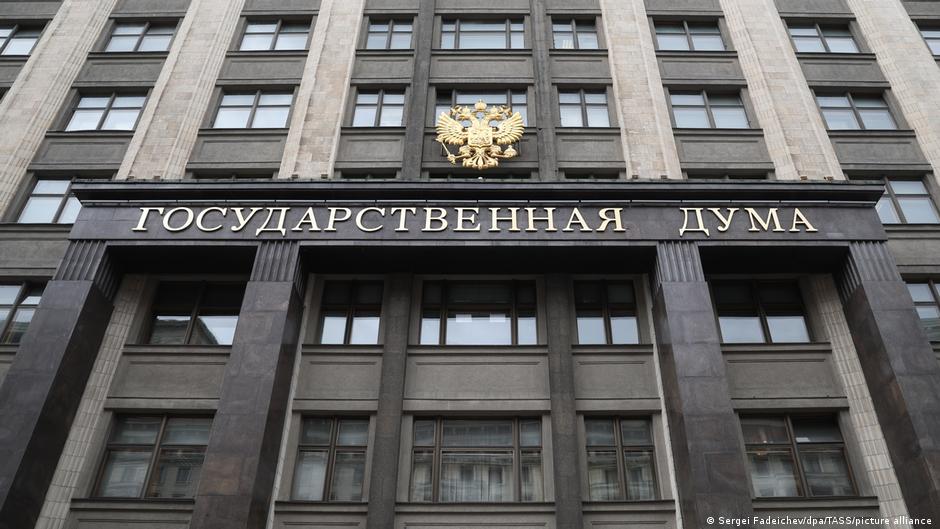
Russia’s State Duma amends fuel dampener rules and import compensations to stabilize domestic fuel prices amid refinery disruptions and export limits.

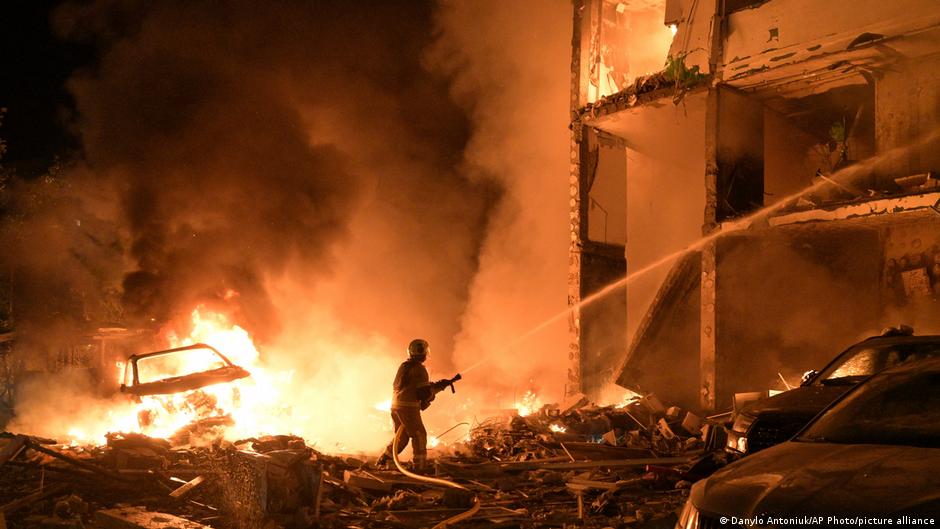
Russian ballistic missile attacks on Kyiv resulted in six injuries and significant infrastructural damage amid escalating civilian casualties and strategic drone strikes.

Ukrainian drone attacks have forced the Saratov refinery in Russia to shut down indefinitely, exacerbating fuel shortages that now affect millions amid structural refining challenges.

Russia permits use of higher-sulfur Euro-3 fuels domestically until 2026 to alleviate refinery disruptions caused by ongoing conflict, with implications for energy security and environmental standards.

In June 2024, Russia reduced its drone and missile strikes on Ukraine significantly, signaling possible operational and economic adjustments amid ongoing conflict dynamics.

Russia's maritime oil exports reached their highest weekly volume in 2026 amid US sanctions relief for Iran and lower global prices, highlighting complex geopolitical and economic challenges.

Widespread fuel sales restrictions are imposed across Russia due to production slowdowns following targeted drone strikes on oil refineries, affecting 53 regions.

Germany urges Turkey to exclude Russian gas in future EU energy agreements, highlighting economic and geopolitical shifts in the region's energy dynamics.

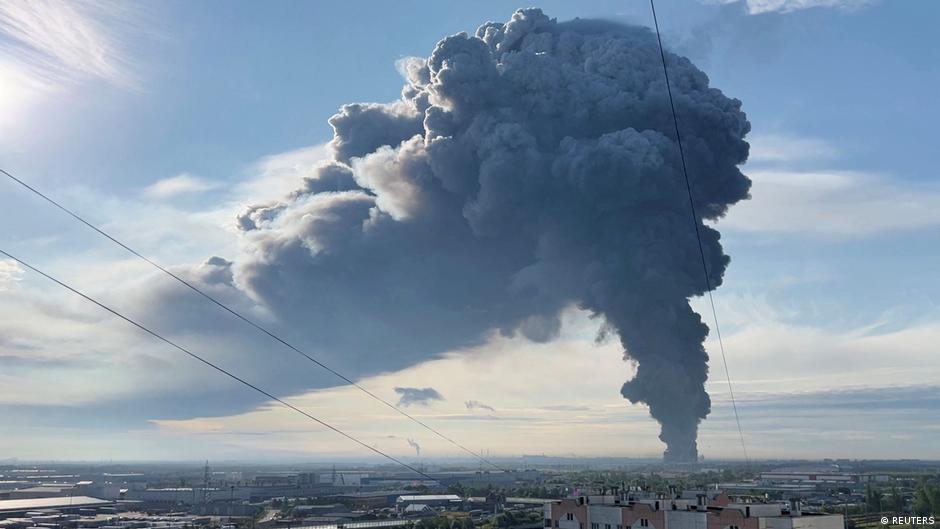
Drone attacks on Russian chemical and oil facilities caused fires and disrupted operations, exposing vulnerabilities in critical industrial infrastructure amid geopolitical conflict.

Russia plans temporary export limits on diesel and aviation kerosene to stabilize domestic fuel markets after drone attacks reduced refinery output.

Ukraine's drone strikes have forced Russia's Nizhny Novgorod refinery to halve its processing capacity, disrupting a significant portion of the country’s fuel production.