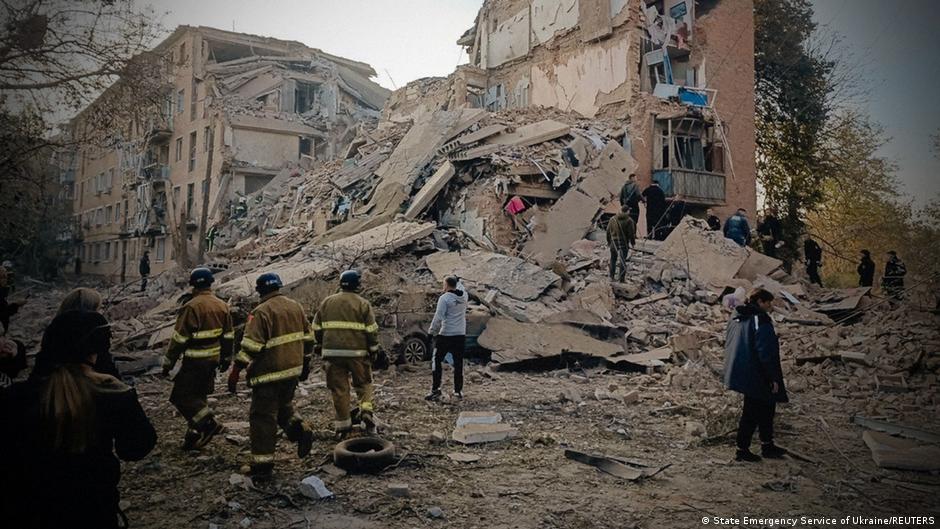
Russian Missile Strikes on Zaporizhzhia Highlight Growing Civilian Toll and Economic Disruption
Recent attacks on Zaporizhzhia caused civilian casualties and damage to critical infrastructure, underscoring broader economic and humanitarian consequences.
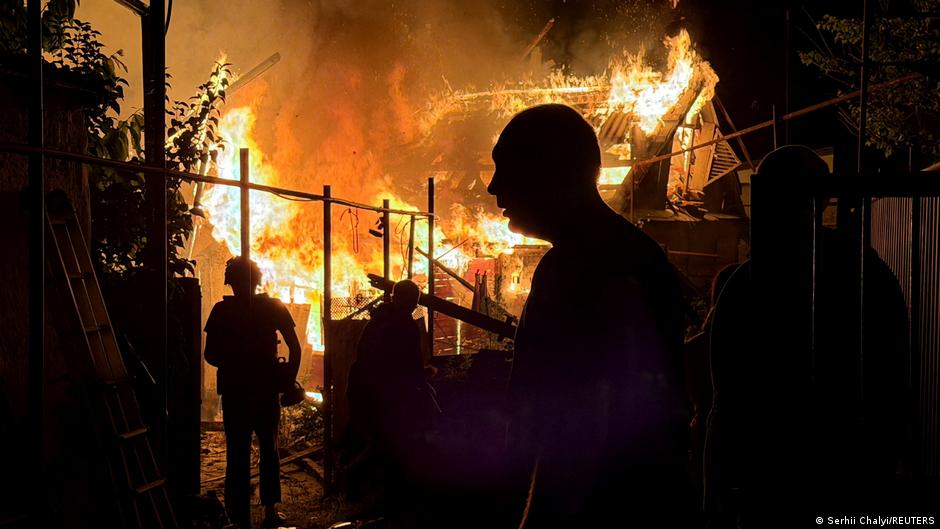
On the night of June 23, Russian forces launched missile attacks on the city of Zaporizhzhia, in southeastern Ukraine, resulting in damage to civilian infrastructure and injuries to at least two people. The strikes targeted private homes, utility buildings, and a gas station, igniting fires that emergency services later extinguished.
Immediate Impact and Civilian Toll
Ivan Fedorov, the head of the Zaporizhzhia Regional Military Administration, reported that a 73-year-old man and woman sought medical assistance following the strike. Details on further casualties remain unclear. The regional authorities have not specified the types of munitions used, though prior warnings had indicated a possible use of guided aerial bombs by Russian forces.
The strike was part of a broader escalation of attacks in southeastern Ukraine, with the city of Kharkiv also targeted by missiles and drones during the same night. Igor Terekhov, mayor of Kharkiv, reported multiple strikes and the movement of Russian strike drones toward the city, exemplified by the downing of a "Molniya" drone in the northeastern Kiev district of Kharkiv.
"The ongoing missile and drone attacks reflect a worrying trend towards intensified targeting of civilian areas and critical infrastructure," noted a regional official.
Economic and Structural Consequences
The destruction of residential buildings, utility facilities, and a gas station in Zaporizhzhia illustrates the cascading effects of conflict on local economies. Damage to critical infrastructure disrupts daily life and hampers essential services, exacerbating economic instability in a region already strained by prolonged conflict. The fires resulting from the strikes further compound the cost of reconstruction and emergency response.
Zaporizhzhia is strategically significant both as an industrial hub and as a key energy corridor, hosting one of Europe's largest nuclear power plants. While the recent attacks did not directly target the nuclear facility, the increased militarization and frequency of strikes raise concerns about potential broader economic risks linked to energy security and industrial output in the region.
Historical Context and Broader Implications
The attacks come amidst a marked increase in civilian casualties in Ukraine. According to recent United Nations data cited by Mohammed Khaled Khiari, Assistant Secretary-General for the Middle East, Asia, and the Pacific, May 2024 saw the highest number of civilian deaths and injuries since April 2022. At least 274 civilians were killed, with over 1,700 wounded, highlighting the deepening humanitarian crisis.
These developments parallel historical instances where protracted conflicts have had profound structural economic impacts. The destruction of civilian infrastructure not only disrupts immediate living conditions but also impairs long-term economic recovery, investment, and regional development. The repeated targeting of urban centers and economic nodes risks entrenching poverty and instability.
In response to the escalating attacks, the United Nations Security Council convened an emergency session requested by Ukraine, underscoring the international community’s growing alarm. The session followed a massive attack on June 15, which damaged the Kyiv-Pechersk Lavra, a prominent cultural and religious site, further emphasizing the conflict’s toll on Ukraine's heritage and social fabric.
Conclusion
The recent Russian strikes on Zaporizhzhia and Kharkiv exemplify the widening scope of conflict impacts beyond immediate military objectives. The combination of civilian casualties, infrastructure damage, and economic disruption signals a deepening crisis with long-term consequences for regional stability and recovery. As the conflict continues, understanding these layered economic and structural effects is crucial for shaping effective policy and humanitarian responses.