Iran Submits 14-Point Peace Proposal to US Amid Ongoing Middle East Conflict
Tehran outlines comprehensive conditions for conflict resolution while Washington expresses skepticism over the offer.
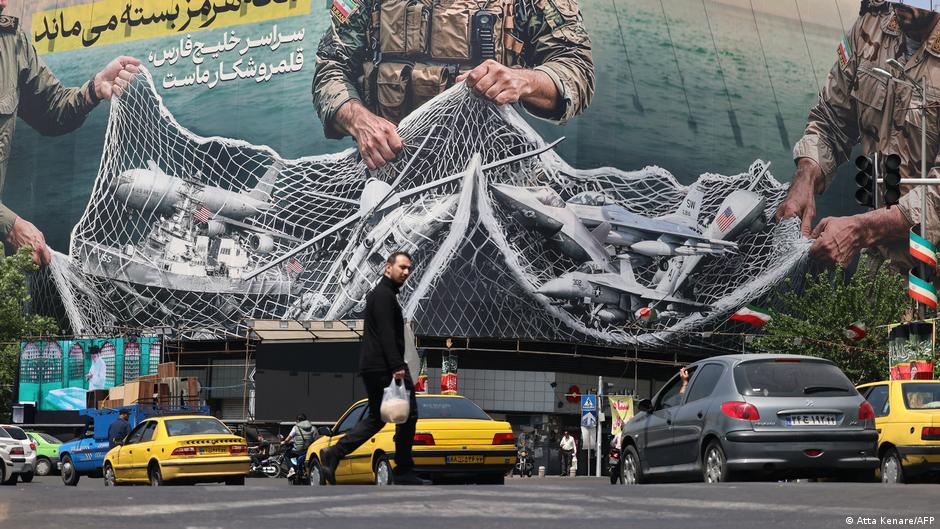
Iran’s Comprehensive Peace Plan and Its Economic Implications
Amid escalating tensions in the Middle East, Iran has formally submitted a detailed 14-point peace proposal to the United States, outlining Tehran’s conditions for ending the current military confrontation. The document arrives as an extension and rebuttal to an earlier nine-point proposal from Washington, reflecting a complex negotiation landscape with significant geopolitical and economic ramifications.
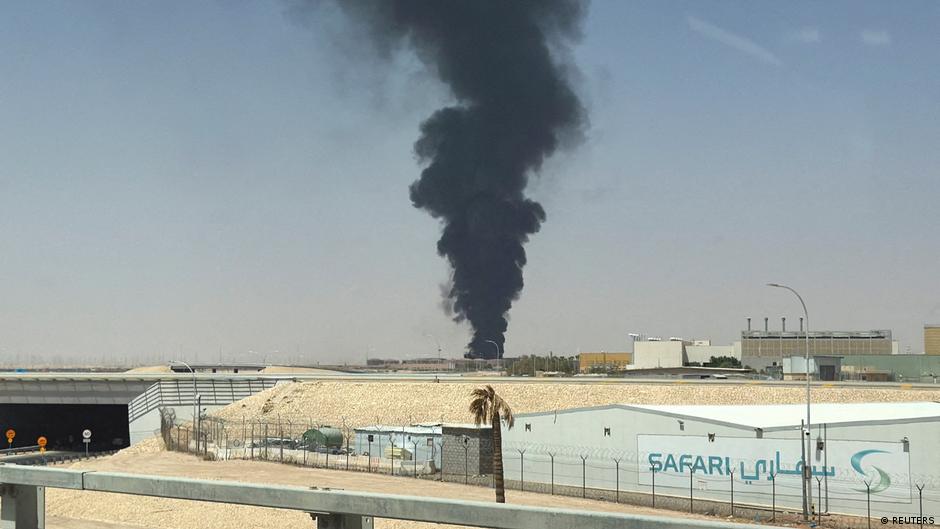
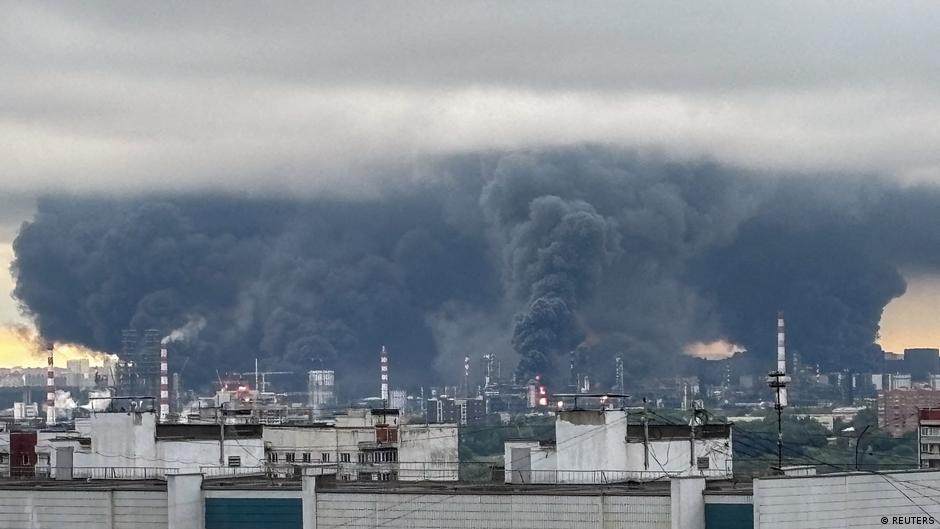
The conflict, which erupted on February 28 following US and Israeli strikes on Iranian territory, has since involved reciprocal attacks by Iran targeting Israel, Gulf states, and American assets in the region. Despite a ceasefire brokered in early April, substantive progress toward a durable resolution has stalled, with key issues such as the status of the strategically vital Strait of Hormuz remaining unresolved.
“The emphasis should not be on prolonging the ceasefire but on ending the war,” underscored Iranian state media in response to the US proposal for a two-month truce.
Tehran’s proposal demands a series of stringent guarantees, including non-aggression assurances, full withdrawal of US troops from border regions, lifting of the naval blockade, and unfreezing of Iranian assets. Financial reparations for damages sustained during the conflict and the cessation of all hostilities — notably including Israeli operations in Lebanon — are also central to the plan. Furthermore, Iran calls for the establishment of a new operational mechanism for the Strait of Hormuz, a critical global oil transit chokepoint.
US President Donald Trump has publicly expressed skepticism regarding the proposal’s acceptability, citing Iran’s failure to "pay a sufficiently high price" for its actions over the past 47 years. Trump's statements signal an impasse, with Washington reluctant to accommodate Tehran’s demands, particularly those that would undermine US strategic leverage in the region.
Historical Context and Strategic Stakes
The conflict between the US and Iran is rooted in decades of geopolitical rivalry, with the current confrontation marking one of the most intense flare-ups since the 1979 Iranian Revolution. The interplay of military actions, economic sanctions, and diplomatic efforts reflects deep structural tensions that complicate conflict resolution.
The US naval blockade and Iran’s countermeasures, including the effective control of the Strait of Hormuz, have significant economic consequences. The strait accounts for a substantial portion of the world's oil shipments, and disruptions here can trigger global energy market volatility. Iran’s economic strategy includes leveraging these chokepoints amid sanctions designed to cripple its oil exports.
Trump’s invocation of the 1973 War Powers Resolution highlights the constrained legal framework governing US military engagement. With a 60-day limit on unilateral military action without Congressional approval—recently expired—Washington faces pressure to clarify its long-term strategy. Reports indicate preparations for an extended naval blockade, aiming to intensify economic pressure on Iran by further restricting its oil exports.
The deadlock in negotiations, exemplified by the fruitless April talks in Pakistan, underscores the complexity of the conflict. While Washington officially declared the cessation of hostilities on May 1 by notifying Congress, the president acknowledged the persistent threat Iran poses to US forces and interests.
Structural Economic Consequences
Beyond the immediate military and diplomatic dimensions, the conflict and its prospective resolution carry profound structural economic implications for the Middle East and global markets. The prolonged naval blockade and sanctions risk exacerbating energy supply instability, driving up oil prices and inflating costs for importing countries.
For Iran, the economic toll extends beyond diminished oil revenues. The freezing of assets and demands for reparations signal attempts to recalibrate economic relations through enforced compensation mechanisms. Successfully navigating these financial pressures will require shifts in regional trade, investment flows, and possibly new alliances.
"The threat from Iran remains significant despite military successes," Trump noted, highlighting the enduring challenge of translating military gains into lasting peace and economic stability.
In summary, Iran’s 14-point peace plan represents a strategic attempt to reshape the terms of engagement, embedding economic and security demands that challenge US objectives. The evolving conflict underscores the interplay between military action, diplomatic negotiation, and economic strategy in a region central to global energy security.