US Tariff Hike on EU Cars Threatens German Economy with 2026 Recession, ifo Warns
Munich's ifo Institute warns that potential EU retaliatory tariffs could trigger a recession in Germany by 2026 amid escalating US-EU trade tensions.
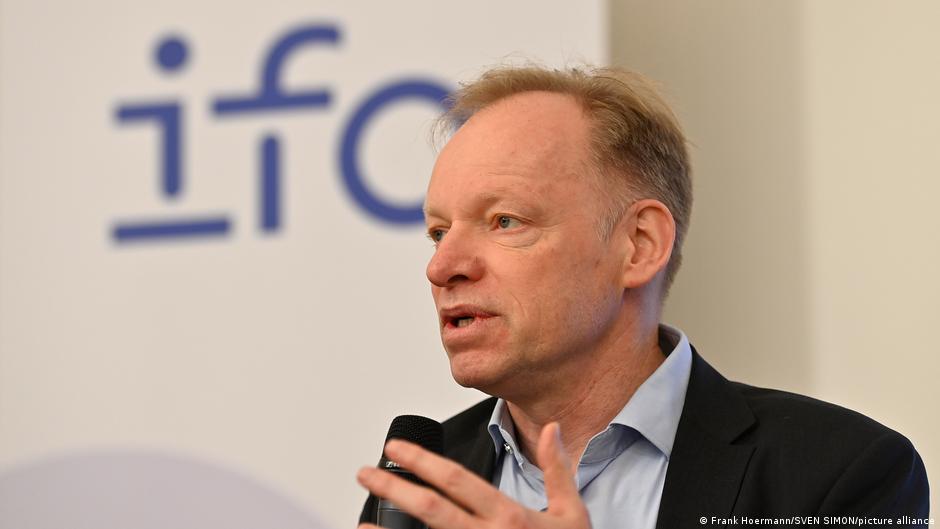
In the wake of President Donald Trump's announcement of a 25% increase in US tariffs on automobiles imported from the European Union, the Munich-based ifo Institute has issued a stark warning about the possible economic repercussions for Germany. The institute cautions that, should the EU respond with reciprocal tariffs, the German economy could enter recession as early as 2026.
Trade Escalation and its Potential Economic Fallout
The ifo Institute, one of Europe's leading economic research centers, highlighted the risks that heightened trade barriers pose to Germany's export-driven economy. Clemens Fuest, the president of ifo, told the German newspaper Bild that the introduction of a new trade war could undermine growth prospects, particularly impacting Germany's vital automotive sector.
"If this leads to a new trade war, Germany faces the risk of a recession in 2026," stated Fuest, emphasizing the precarious position of German industry amid rising protectionist pressures.
Germany accounts for a significant share of the EU's automobile exports. The prospect of a 25% tariff on these vehicles represents a major shock to an industry already grappling with complex challenges including technological transitions and global supply chain disruptions. Ferdinand Dudenhöffer, a prominent German automotive expert, described the tariff hike as the "beginning of an economic war against Germany."
US tariffs, announced on May 1, target passenger and light trucks imported from the EU. However, vehicles produced in American factories will be exempt from these tariffs, underscoring a strategic preference for domestic manufacturing and complicating trade dynamics.
Historical Context and Structural Implications
The tariff escalation comes against the backdrop of a comprehensive EU-US trade agreement reached in September 2025. This agreement had retroactively reduced tariffs on European automotive exports to the US from 27.5% to 15%, while the EU agreed to remove tariffs on a broad range of American industrial and agricultural goods, including seafood, dairy, pork, and soybean oil.
President Trump justified the tariff hike by alleging that the EU had failed to uphold the terms of the agreement, although the precise violations cited remain unclear. The US administration has repeatedly pointed to the EU's sizeable trade surplus in goods with the US as evidence of unfair practices. Conversely, Brussels argues that US dominance in the services sector, where America holds a substantial advantage, is often overlooked in these assessments.
The announcement followed a sharp deterioration in US-German political relations. On April 30, Trump publicly criticized German Chancellor Friedrich Merz, urging him to focus on ending the war in Ukraine rather than interfere in US policy towards Iran. Trump further warned Merz to "bring order to his crumbling country," marking an unprecedentedly confrontational tone between two key allies. This came shortly after Merz condemned the US and Israel's military actions against Iran, warning that the conflict's economic fallout would be severe for Germany.
Economic Consequences for Germany and the EU
The ifo Institute's analysis points to significant structural consequences stemming from renewed protectionism. The German automotive industry, a cornerstone of the national economy and a major source of employment, faces immediate risks from tariff-induced cost increases and potential declines in export demand.
Jens Südekum, an economic advisor to Germany's Finance Minister Lars Klingbeil, suggested that the EU should initially adopt a measured approach, waiting to see if the US tariffs are actually implemented before responding with countermeasures. He advocated for proportional and well-calibrated responses to avoid exacerbating trade tensions unnecessarily.
The looming threat of a trade war raises broader questions about the resilience of global supply chains and the vulnerability of export-dependent economies like Germany's to geopolitical shifts and protectionist policies. The possibility of a recession by 2026, as forecasted by ifo, underscores the pressing need for strategic economic planning to navigate an increasingly uncertain international trade environment.
As tensions simmer between the US and EU, Germany finds itself at a critical juncture. The interplay of political conflicts and economic policies may reshape the landscape of transatlantic trade, with profound implications for growth, employment, and industrial competitiveness.