US to Reduce Troop Presence in Germany by 5,000 Amid Strategic Reassessment
Pentagon orders withdrawal of 5,000 troops from Germany within a year as part of broader review of US military posture in Europe.
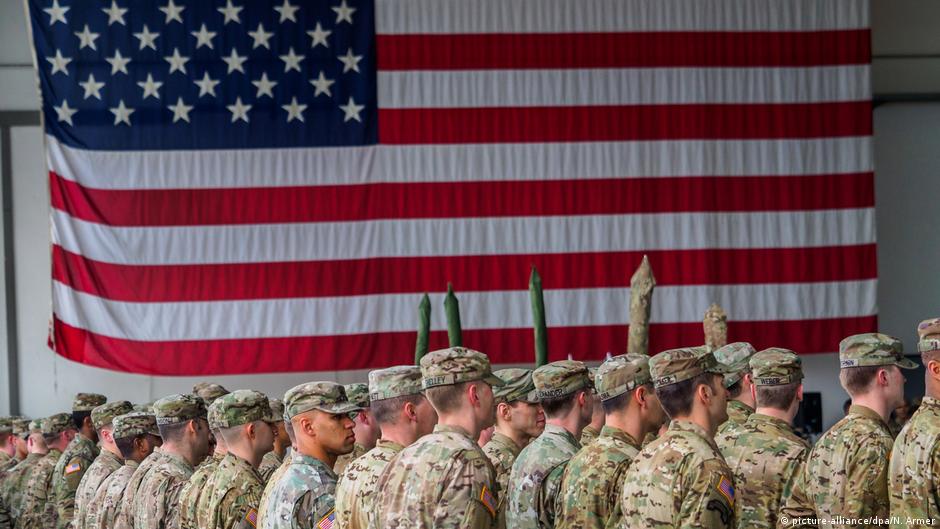
The United States Department of Defense has announced plans to reduce its military presence in Germany by approximately 5,000 troops over the next 12 months. Currently hosting more than 35,000 American soldiers, Germany remains the largest US troop base in the European Union, underscoring its historic and strategic significance in transatlantic defense.
Context and Historical Background
The decision follows a comprehensive review of US troop deployments across Europe, aiming to adjust force posture to evolving operational requirements and geopolitical realities. Pentagon spokesperson Sean Parnell confirmed that the troop reduction is expected to be completed within six to twelve months and reflects both operational demands and local conditions.
At its peak during the Cold War, the US maintained a significantly larger presence in Germany. In 1985, before the fall of the Berlin Wall and the subsequent dissolution of the Soviet bloc, approximately 250,000 American troops were stationed in the Federal Republic of Germany. This historical comparison highlights the substantial post-Cold War drawdown, although recent decades saw numbers stabilize or slightly increase to current levels.
US President Donald Trump had previously alluded to potential troop reductions in Germany through social media channels, signaling an impending decision. This announcement emerges in the context of ongoing debates about the future of US military commitments in Europe and strategic priorities, especially concerning NATO obligations and regional security dynamics.
Strategic and Economic Implications
"The US military presence in Germany is a cornerstone of transatlantic security and mutual benefit," said Chancellor Friedrich Merz during a visit to the Munster military training ground. "Our armies work shoulder-to-shoulder in deep transatlantic cohesion."
Germany’s government has responded cautiously but confidently to the announcement. Chancellor Merz emphasized the strategic importance of the US military presence, framing it as a mutually beneficial partnership that underpins European security architecture. The German leadership’s measured stance reflects an awareness of the broader geopolitical stakes, including deterrence against potential threats in Eastern Europe and the Middle East.
The announcement also coincides with heightened tensions between US and German leadership. Recent exchanges between President Trump and Chancellor Merz revealed disagreements over policies related to Iran, with Merz criticizing the US approach and Trump accusing Germany of supporting Iran's nuclear ambitions. Such diplomatic frictions may influence the pace and scope of military realignments.
From an economic perspective, the reduction in US troop numbers in Germany could have localized impacts. US military bases contribute significantly to local economies through employment, procurement, and infrastructure investments. A downsizing may thus affect economic activity in host communities, prompting considerations for economic diversification and adjustment.
Broader European Security Architecture
The US troop reduction in Germany should be viewed within the framework of shifting transatlantic defense strategies. While the reduction is notable, the presence of approximately 30,000 troops will remain substantial, indicating continued US commitment to European security. The move also reflects the dynamic nature of US military posture, balancing deterrence needs with domestic political constraints and budgetary considerations.
Within the US political landscape, Congressional restrictions have historically limited the executive branch’s ability to unilaterally reduce overseas troop levels, particularly in Europe. Discussions about troop withdrawals have often been contentious, reflecting differing views on the US role in global security and alliance management.
As the US navigates its strategic priorities, it must weigh the consequences of troop realignments on NATO cohesion, deterrence credibility, and transatlantic relations. Germany’s position as a key logistical and operational hub for US forces in Europe remains critical, making any adjustments sensitive and complex.
In conclusion, the planned withdrawal of 5,000 US troops from Germany marks a significant, though measured, shift in American military deployment in Europe. It signals an ongoing recalibration of defense commitments amid evolving geopolitical challenges, historical legacies, and economic considerations.