Over 180 Drones Intercepted Near Moscow Amidst Large-Scale UAV Assault
More than 180 unmanned aerial vehicles were destroyed near Moscow during a night of intensified drone attacks, highlighting evolving security challenges and potential economic impacts.
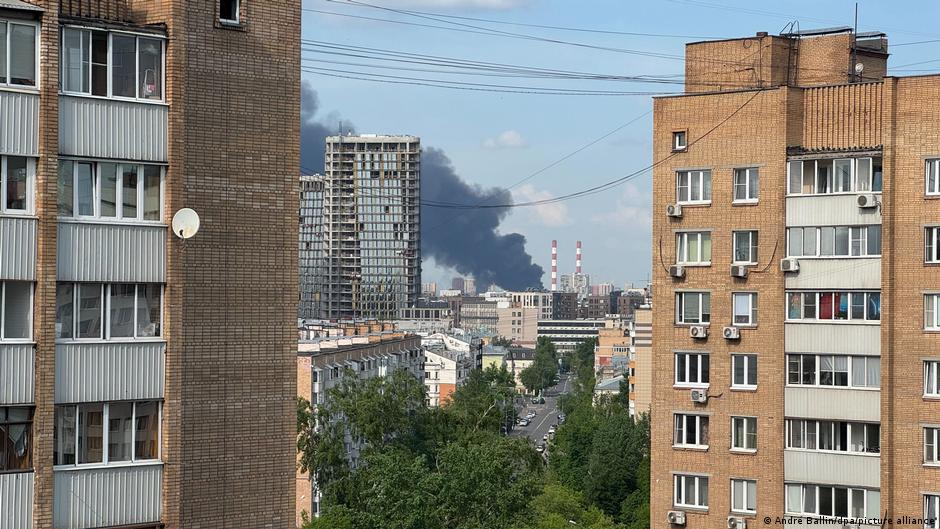
In a significant escalation of unmanned aerial vehicle (UAV) threats, Moscow's mayor, Sergey Sobyanin, reported the destruction of over 180 drones near Moscow during the night of August 17–18, 2023. According to Sobyanin, a total of 620 drones were detected flying towards the Moscow region within this period.
Scope and Impact of the Drone Attacks
The large-scale drone assault targeted areas in the Moscow metropolitan region, including residential and industrial zones. While specific targets were not detailed by the authorities, multiple explosions were reported in satellite towns such as Noginsk, Zheleznodorozhny, Elektrostal, and Pavlovsky Posad.
"A large number of explosions were heard overnight near Noginsk, Zheleznodorozhny, and Elektrostal, with numerous drones detected around Pavlovsky Posad," reported local observers.
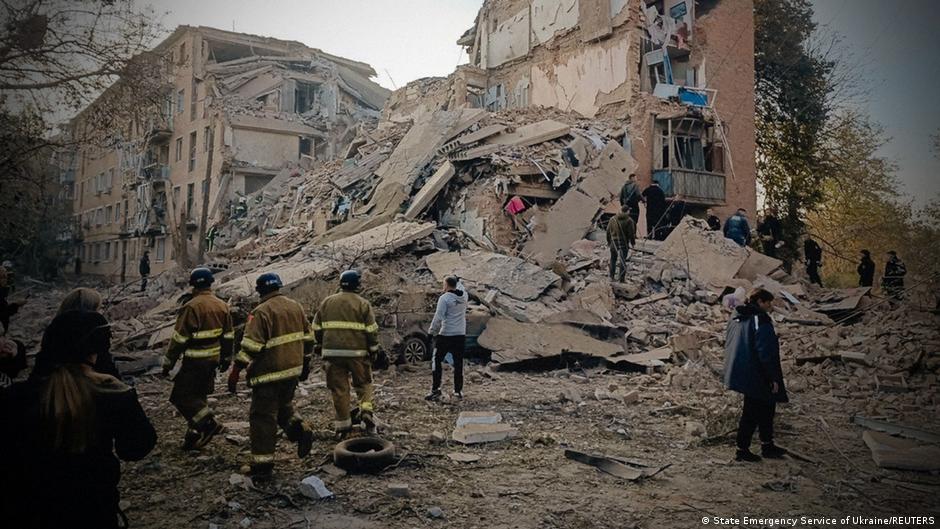
Casualties were reported in several districts of the Moscow Oblast, with a 10-year-old girl sustaining shrapnel injuries in Ramensky District, a woman requiring medical attention in Bogorodsky District, and a 27-year-old man injured in Kolomna. In Kolomna, debris from falling drones caused a fire at a commercial pavilion near the Globus shopping center. Additionally, a drone struck a Wildberries warehouse located in the Atlant Park area of Bogorodsky District.
One notable affected location was the residential complex "Duna" in Kotelniki, situated approximately five kilometers east of the Moscow Oil Refinery. The refinery has previously been targeted by drone attacks, underscoring its strategic vulnerability.
Economic and Security Ramifications
The attacks have prompted temporary restrictions on air traffic at key Moscow airports, including Vnukovo, Domodedovo, and Zhukovsky, with limited operational allowances at Sheremetyevo. These constraints reflect the broader economic implications, as disruptions in the aviation sector can impact business travel, cargo shipments, and logistics.
The Moscow Oil Refinery’s repeated targeting raises concerns about energy infrastructure security. Disruptions to such critical assets could have cascading effects on fuel supplies, industrial operations, and regional economic stability.
These events also illustrate the evolving nature of hybrid warfare, where relatively low-cost UAVs inflict disproportionate economic and psychological damage. The high volume of drones deployed simultaneously poses significant challenges to air defense systems, necessitating increased investments in detection and interception technologies.
Historical Context and Strategic Considerations
Historically, industrial and transportation hubs near major cities have been focal points during conflicts, as disruption of these nodes yields maximum leverage. The use of drones represents a modern iteration of asymmetric tactics, allowing attackers to circumvent traditional frontlines and directly target urban economic centers.
As Sobyanin's report underscores, the defensive measures managed to intercept a substantial portion of the drone fleet, yet the damage and injuries demonstrate persistent vulnerabilities. This incident may accelerate strategic shifts in urban defense policies and infrastructure resilience planning.