Over 40 Nations Call for Prior Notification of Ballistic Missile Tests to Enhance Global Security
More than 40 countries urge a 24-hour advance notice on ballistic missile launches to reduce risks and build trust among nuclear powers.
In a joint statement released on August 11, over 40 countries, including the United States, South Korea, and Japan, expressed serious concerns about the risks posed by ballistic missile tests conducted without prior notification. The statement emphasizes the need for transparent communication regarding launches of intercontinental ballistic missiles (ICBMs), submarine-launched ballistic missiles (SLBMs), and carrier rockets, particularly by nuclear-armed states.
The statement calls for a standardized approach whereby countries announce missile launches at least 24 hours in advance. This measure aims to mitigate the risk of miscalculations that could escalate regional or global tensions. The document highlights that such "orderly, transparent notification mechanisms" do not impede military development or operational necessities but rather strengthen mutual trust and demonstrate a shared commitment to security.
Strategic Implications and Historical Context
Historically, covert or unannounced missile tests have heightened fears of sudden aggression or misunderstandings that could spiral into armed conflict. During the Cold War, informal notification protocols between the United States and the Soviet Union helped to prevent unintended escalations. The current call by more than 40 nations to reinvigorate and formalize such notification mechanisms reflects a recognition of their continuing importance in a multipolar nuclear environment.
The statement specifies that notifications should include critical details such as the missile class, launch area, and expected flight direction. This transparency facilitates defensive preparedness and confidence-building among states.
"Orderly, transparent notification mechanisms do not restrict military development but reduce the risk of miscalculations and reinforce trust," the statement notes.
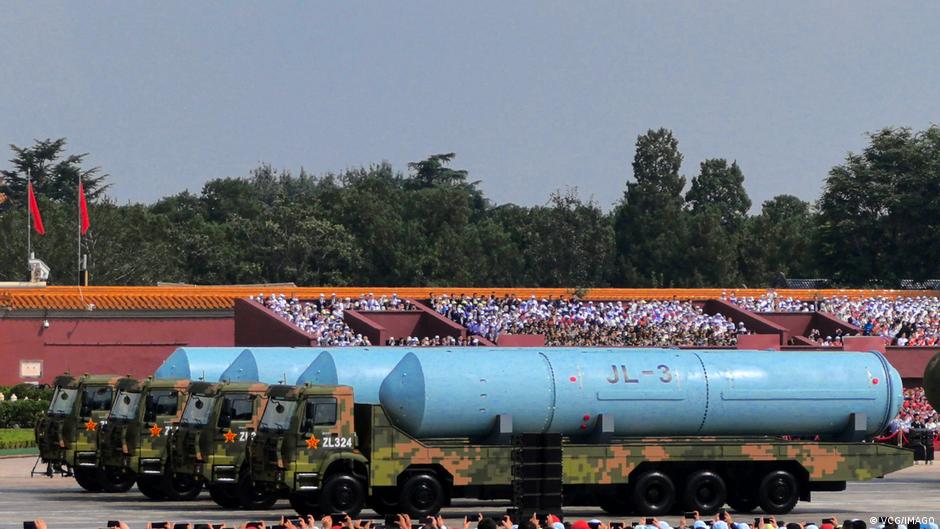
The statement also indirectly references recent missile tests in the Pacific Ocean where notification norms were breached. Although it does not name China explicitly, it alludes to an event in early July when China launched a strategic missile from a nuclear submarine in the Pacific region with very limited prior warning to other countries. This incident underscores the ongoing challenges in achieving comprehensive transparency.
Recent Developments in Northeast Asia
On the night of August 12, South Korea and Japan reported that North Korea conducted at least one ballistic missile launch—the eleventh this year. According to South Korea’s Yonhap News Agency, the missile was launched from Wonsan on North Korea’s eastern coast and traveled eastward.
South Korean military officials have stated they are enhancing surveillance and remain vigilant against the possibility of further missile tests. Japan’s Ministry of Defense estimates the missile reached an altitude of approximately 90 kilometers and fell into the sea after about 10 minutes, covering a distance of less than 700 kilometers.
The persistence of unnotified missile tests in the region highlights the fragile security dynamics in Northeast Asia and the pressing need for improved communication protocols. These developments have broader implications for regional stability and the effectiveness of international arms control efforts.
Structural Economic and Security Consequences
Unannounced ballistic missile tests not only exacerbate geopolitical tensions but also have significant economic repercussions. Heightened security concerns can disrupt trade, increase defense expenditures, and deter foreign investment in affected regions. Countries may allocate greater resources to missile defense systems and intelligence gathering, diverting funds from development and social programs.
Moreover, the erosion of trust among major powers risks undermining existing arms control agreements and complicates efforts to negotiate new accords. The call for standardized notification procedures reflects an understanding that transparency is foundational to strategic stability and economic predictability.
Overall, the joint international appeal underscores a growing recognition that managing ballistic missile testing through cooperative security measures is critical to maintaining peace and minimizing economic volatility in an increasingly complex global security environment.