Qatar Denies Detention of Iranian Pilots Amid Middle East Conflict Tensions
Doha refutes Tehran's claims of holding three Iranian pilots after airspace violations during regional hostilities.
Qatar has officially denied allegations that it is detaining three Iranian pilots whose aircraft reportedly violated Qatari airspace during the escalating conflict in the Middle East. The dispute adds a complex layer to the ongoing regional tensions and diplomatic efforts aimed at de-escalation.
Context and Implications of the Dispute
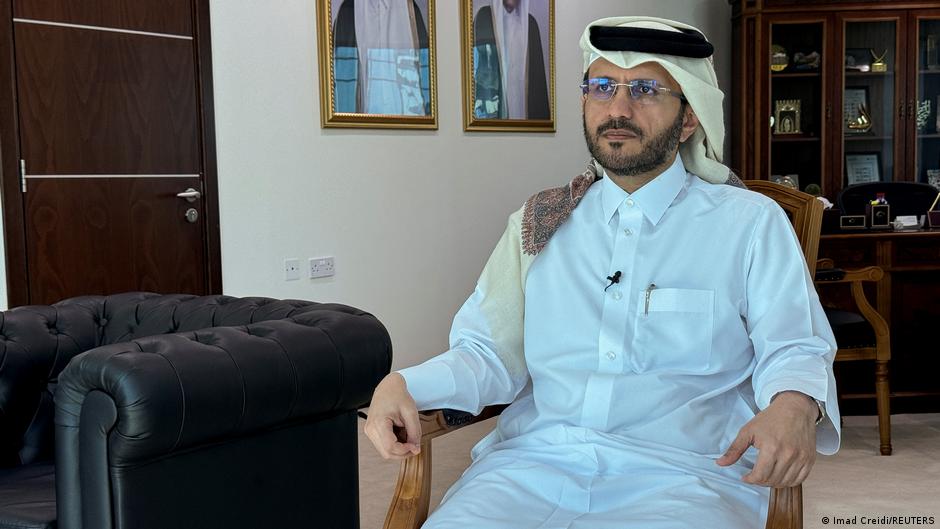
On August 15, Majid bin Mohammed Al-Ansari, a spokesperson for Qatar's Ministry of Foreign Affairs, expressed surprise at what he described as "misleading claims" circulating at a sensitive moment when diplomatic initiatives seek to reduce regional strain.
According to Al-Ansari, Qatar established contact with the Iranian pilots following their airspace violation and confirmed their flight paths. Qatar took necessary defensive actions compliant with international law and communicated explanations through official diplomatic channels.
Qatari search and rescue teams have reportedly carried out recovery operations for the pilots' remains. Doha has also attempted to coordinate with Iran regarding the transfer of one pilot's remains and extended an invitation in April for an Iranian delegation to review search and rescue efforts. However, Tehran has yet to respond.
"Contact with the specified pilots was established and appropriate measures were taken in accordance with international law to protect our territory," stated the Qatari Foreign Ministry representative.
Contrastingly, Iranian authorities claim that three pilots—Javad Salehi, Abdolmajid Dashtian, and Omran Behruzian—have been held captive by Qatari forces for six months following their SU-24 aircraft crashes. Mohammad Bagerzadeh, head of Iran’s military search committee, addressed the International Committee of the Red Cross, calling for their release and citing restrictions on family contact.
Previously, Iran announced one pilot’s death and two missing in action but did not disclose any allegations of their capture. The development of these claims amid sensitive military and diplomatic operations complicates transparency and trust between the involved parties.
Adding to the conflict’s complexity, Qatar's Ministry of Defense reported in March that Qatari air forces had successfully shot down two SU-24 bombers originating from Iranian airspace. Concurrently, Qatar intercepted multiple ballistic missiles and drones attacking its territory, raising questions about the specific aircraft involved in the Iranian pilots’ incident.
On the geopolitical front, the US and Iran signed a framework agreement in June to cease hostilities and lift the blockade on the Strait of Hormuz. Yet, a drone attack on a civilian tanker in late June—attributed to Iran—triggered retaliatory US strikes, underscoring the fragility of peace efforts.
July saw a temporary US halt on airstrikes against Iran, attributed by then-President Donald Trump to advances in negotiations. Meanwhile, Qatar has faced attacks on its territory and infrastructure, including assaults on a Qatari tanker transiting the Strait of Hormuz, illustrating the persistent volatility in the region.
Economic and Strategic Ramifications
This incident must be viewed within the broader context of Middle Eastern geopolitical dynamics, where airspace violations and military engagements risk escalating into wider conflicts that disrupt critical global energy routes. The Strait of Hormuz, a strategic chokepoint for oil transportation, remains particularly vulnerable.
The competing narratives from Tehran and Doha highlight the challenges of verifying facts in conflict zones and the potential use of such incidents as leverage in diplomatic negotiations. The lack of resolution regarding the pilots' status exacerbates mistrust and could hinder ongoing de-escalation efforts.
Moreover, the accusations and denials reflect deeper structural tensions in the Gulf Cooperation Council (GCC) and Iran’s regional ambitions. Qatar’s role as a mediator and its efforts to maintain stable international relations are under strain, risking spillover effects on regional economic stability and energy markets.
As diplomatic channels remain engaged but strained, maintaining transparency and adhering to international legal norms will be critical to prevent further deterioration of relations and to safeguard the economic interests tied to regional security.