Renewed Iranian Missile and Drone Attacks on UAE Intensify Regional Economic Risks
Iran's missile and drone strikes on the UAE mark a critical escalation, threatening Gulf trade routes and regional economic stability.
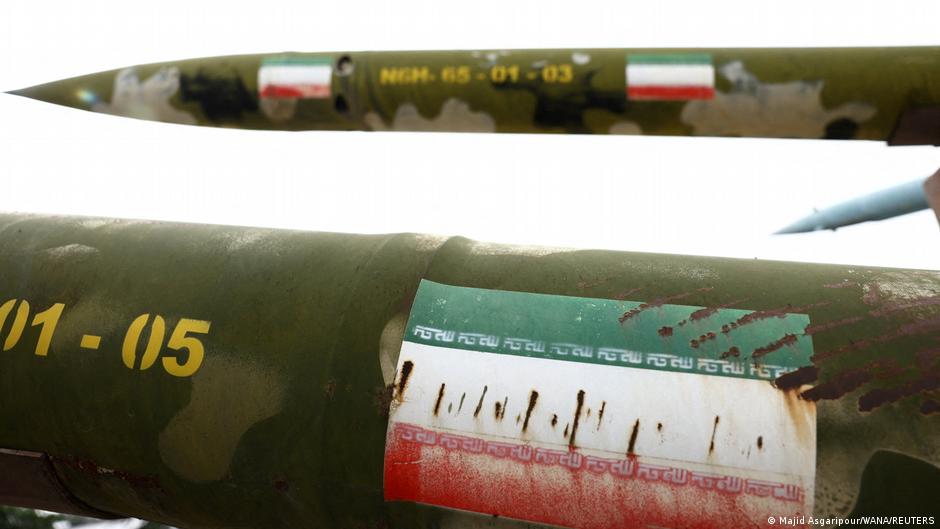
In a significant escalation of regional tensions, Iran has resumed missile and drone attacks on the United Arab Emirates (UAE), marking the first such strikes since a ceasefire agreement between the United States and Iran took effect earlier in April. The resurgence of hostilities raises concerns about the stability of Gulf trade routes, particularly the strategically vital Strait of Hormuz, and poses broader structural economic risks to energy markets and regional economies.
Details of the Attacks and Immediate Impact
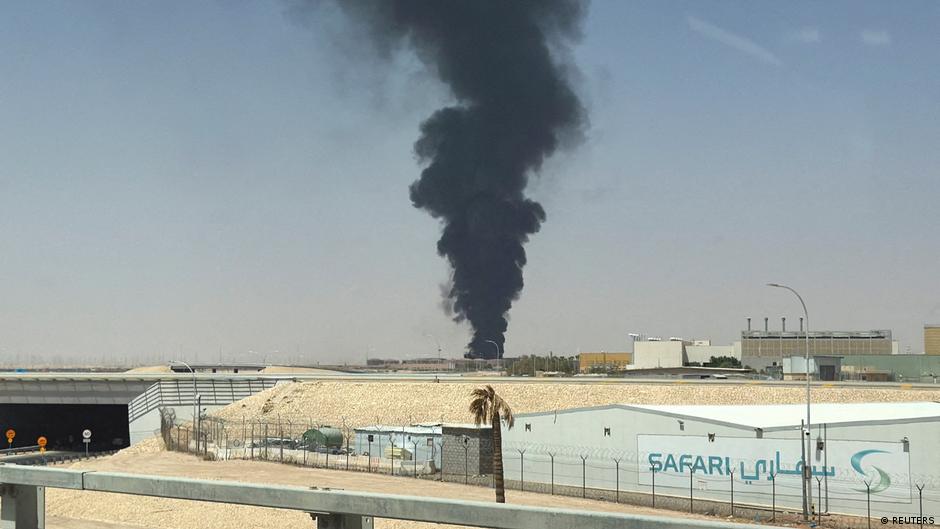
On May 4, the UAE's Ministry of Defense announced the interception of 19 Iranian projectiles, including 12 ballistic missiles, three cruise missiles, and four drones. The attacks targeted the Emirate of Fujairah’s oil infrastructure, resulting in a fire at the El-Fujairah oil complex and injuries to three Indian nationals. In response, schools across the UAE shifted to online learning from May 5 to 8, reflecting the severity of the security threat.
The UAE government condemned the strikes as a "dangerous escalation," asserting its right to respond appropriately. Meanwhile, Iranian state media quotes a senior military official denying any intent to attack the UAE, highlighting the complex and contradictory messaging surrounding Tehran's regional strategy.
In a related development, the Omani city of Bukha near the UAE border suffered a missile strike that damaged residential property and injured two expatriate workers, extending the conflict's footprint beyond UAE borders.
Geopolitical and Economic Context
These recent attacks underscore the fragility of the ceasefire brokered in April, illustrating how quickly regional tensions can escalate. The Gulf region’s economy is heavily dependent on the uninterrupted flow of oil and gas through the Strait of Hormuz, through which about 20% of the world’s petroleum passes.
"The blockade of the Strait of Hormuz must end. Tehran must not develop nuclear weapons or threaten regional partners," said German Chancellor Friedrich Merz, reflecting international concern over Iran’s actions.
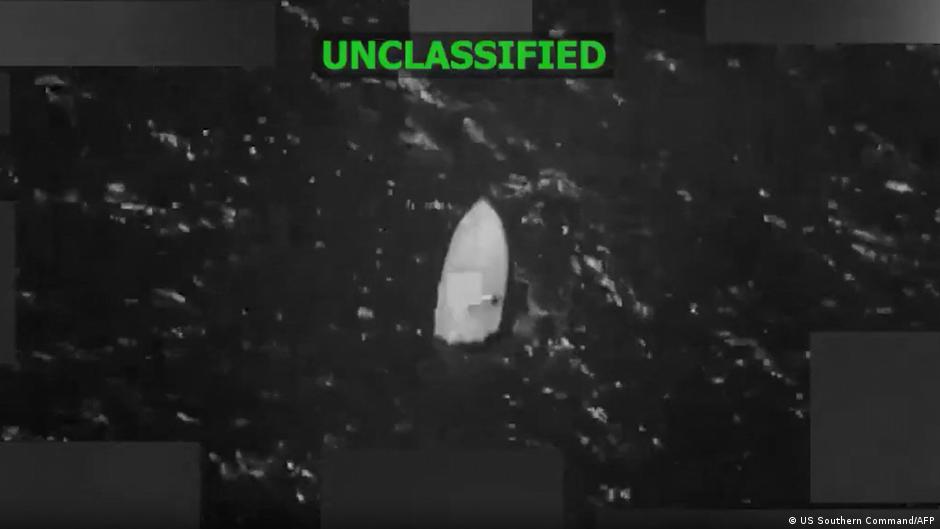
The attacks come amid the announcement by the United States of "Project Freedom," an operation to escort commercial vessels through the Strait of Hormuz to ensure maritime security. Iran has warned that such U.S. involvement constitutes a violation of the ceasefire, risking further military confrontations that could disrupt energy exports and global oil prices.
Former U.S. President Donald Trump highlighted the military engagements in the strait, noting the destruction of Iranian vessels and positioning this as evidence of Tehran’s diminished capabilities, though the cyclical nature of conflict remains a threat to long-term stability.
Structural Economic Consequences and Historical Parallels
The Gulf region has historically experienced volatility linked to geopolitical conflict, with previous confrontations in the 1980s and the 2000s causing significant disruptions in oil supply and global economic ripple effects. The renewed attacks risk recreating such instability at a time when the global economy is still recovering from pandemic-related disruptions and grappling with inflationary pressures.
Energy markets, sensitive to supply shocks, could face renewed price volatility if the conflict escalates or maritime security deteriorates. This jeopardizes not only regional economies but also global energy security and inflation trends. Moreover, the escalation threatens foreign investment confidence in Gulf economies that are pursuing diversification strategies under programs like UAE’s Vision 2021 and Saudi Arabia’s Vision 2030.
The economic structure in the Gulf is highly sensitive to security dynamics, with trade infrastructure, expatriate labor, and investment flows vulnerable to conflict. Persistent tensions undermine economic modernization efforts and could stall progress toward sustainability and diversification.
Looking Ahead
The international community, including Germany, has called for renewed diplomatic engagement to de-escalate tensions. The imperative to secure the Strait of Hormuz and maintain economic stability demands robust multilateral cooperation, balancing security imperatives with diplomatic initiatives.
As Germany’s Chancellor Friedrich Merz stated, "Tehran must return to the negotiating table and cease holding the region and the world hostage." The ability of regional and global powers to manage these conflicts without undermining economic stability will be crucial in determining the trajectory of Gulf economies and global energy markets in the near future.