Germany to Transfer Nord Stream Gas Power Plant to Ukraine Amid Energy Realignment
Germany will hand over a gas-fired power plant linked to Nord Stream to Ukraine, signaling a strategic shift in post-conflict energy infrastructure support.
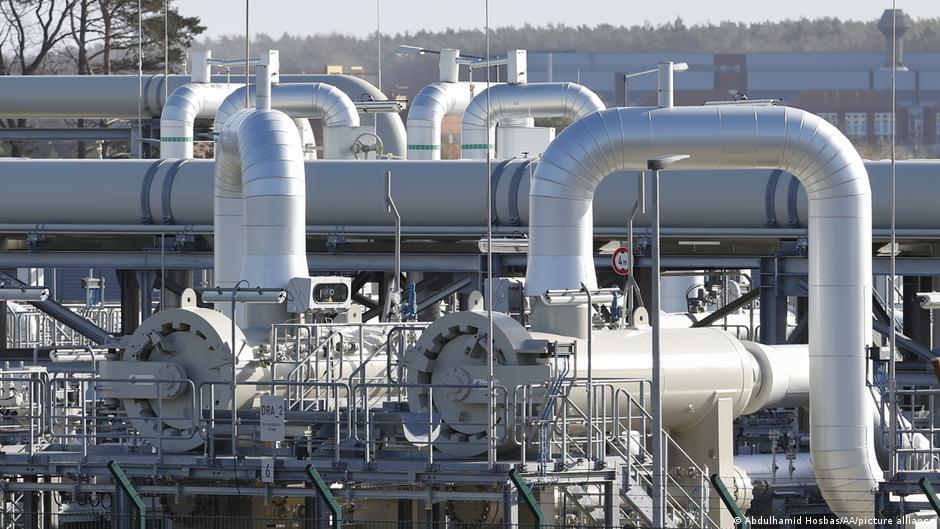
Germany has announced plans to transfer a gas-fired thermal power plant, formerly servicing the Nord Stream gas pipeline, to Ukraine as part of humanitarian assistance. The transfer is arranged on a self-pickup basis, according to Sefe Securing Energy for Europe (Sefe), the German company formerly a Gazprom subsidiary.
The power plant in question is located in Lubmin near Greifswald and is owned by Industriekraftwerk Greifswald GmbH (IKG). This facility was integral to generating technological heat necessary for the operation of the Russian gas pipeline delivering supplies into Germany's gas transport network. The combined thermal and electric capacity of the plant stands at approximately 84 MW, underscoring its significance within the regional energy infrastructure.
Context of the Transfer and Broader Energy Implications
In the summer of 2022, Russia curtailed and subsequently halted all gas deliveries through Nord Stream, a pipeline that had been a major conduit for Russian gas into Europe. Both Nord Stream and its twin project, Nord Stream 2 — which never became operational due to Russia's invasion of Ukraine — suffered substantial physical damage from explosions. In response to the conflict, Germany announced its withdrawal from Russian gas imports, marking a pivotal realignment of European energy policy.
Following the cessation of gas flows via the Baltic Sea route in September 2022, the operation of the Lubmin power plant became economically unsustainable. With no alternative heat consumers, the plant ceased all operations in 2023. Efforts to find a buyer for the thermal power station were unsuccessful, leaving the facility idle and representing a stranded asset within Germany's energy portfolio.
"This decision is economically prudent for us, avoiding costly dismantling or disposal, while simultaneously supporting Ukrainian energy infrastructure," Sefe commented.
Given the facility’s redundancy in Germany and its potential utility in Ukraine, the transfer serves a dual economic and geopolitical purpose. For Germany, it avoids maintenance and decommissioning costs associated with defunct energy infrastructure. For Ukraine, acquiring the plant offers a tangible boost to its energy generation capabilities, critical amid ongoing conflict and infrastructure strain.
Structural Economic Consequences and Historical Perspectives
This transfer illustrates the evolving structure of European energy systems in the wake of geopolitical upheaval. Historically, energy infrastructure has often been a geopolitical lever, with states using access and control over energy resources to influence alliances and economic dependencies. The Nord Stream pipelines symbolize a period when Europe sought to integrate Russian energy supplies deeply into its economy. Their current obsolescence and physical damage reflect a sharp break from that era.
The movement of such an asset from Germany to Ukraine can be interpreted as a reallocation of energy capital to a region striving to rebuild and secure its energy autonomy. It also reflects the broader shift in energy security paradigms, where infrastructure is not only an economic asset but also a strategic tool in shaping regional stability.
On a structural level, the incident underscores the risks of overreliance on specific energy corridors and suppliers. The disruption has accelerated Germany’s and Europe’s diversification efforts, including investments in renewable energy and LNG imports from alternative sources.
Moreover, assistance through hardware transfer rather than financial aid demonstrates a pragmatic approach amidst logistical and operational challenges. It acknowledges Ukraine’s immediate needs for functional energy assets to counter the humanitarian and economic impacts of the ongoing war.
In sum, the handover of the Lubmin gas power plant is emblematic of the ongoing transformation in European energy geopolitics. It illustrates how infrastructure, once central to energy supply chains, becomes repurposed to meet emergent humanitarian and strategic goals, reflecting a new economic order shaping post-conflict recovery and regional energy security.