Drone Incident Hits Residential Building in Western Moscow Amid Rising Security Concerns
A drone struck a residential building on Mosfilmovskaya Street in Moscow, with emergency services responding and no casualties reported.
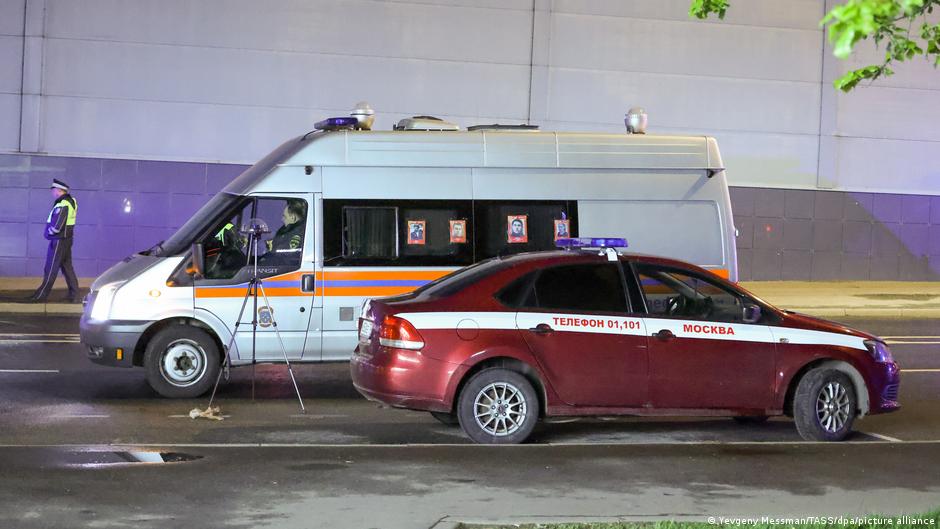
In the early hours of May 4, a drone collided with a residential building located on Mosfilmovskaya Street in western Moscow, prompting immediate response from emergency services. Moscow Mayor Sergey Sobyanin confirmed the incident, emphasizing that no injuries were reported and that protective systems intercepted two additional drones approaching the city.
Security Challenges and Urban Vulnerability
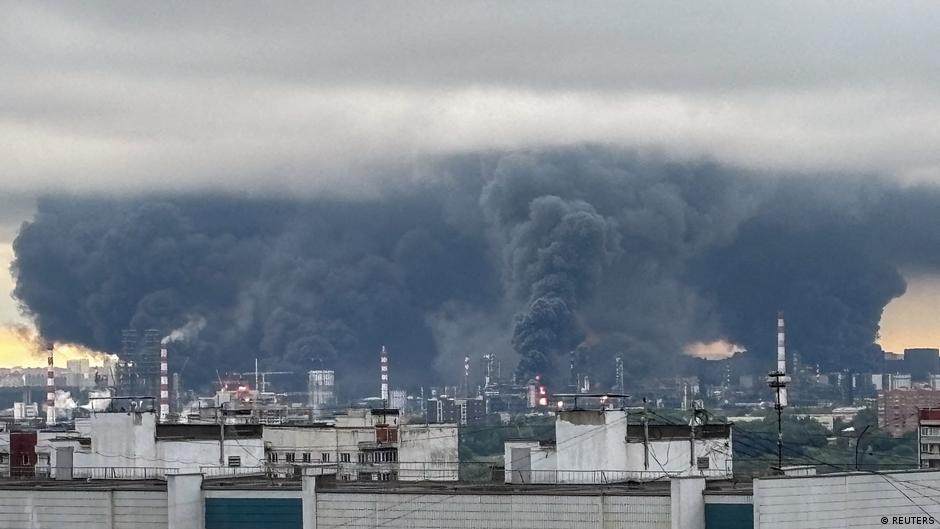
The incident occurred near the elite residential complex known as the "House on Mosfilmovskaya Street" in the Ramenki district. Telegram sources and eyewitness accounts report damage to the building’s facade and shattered windows in several apartments, with debris scattered onto the surrounding grounds. Authorities have cordoned off the area and restricted traffic to facilitate investigations and ensure public safety.
This episode highlights the evolving nature of urban security threats in major metropolitan centers. The increasing use of unmanned aerial vehicles (UAVs) or drones — whether for surveillance, transport, or offensive operations — introduces new vulnerabilities. Unlike traditional aerial threats, drones can evade detection and reach densely populated civil areas, challenging existing countermeasures.
"The presence of multiple drones engaging a major city underscores a shift in asymmetrical tactics that urban centers must adapt to," security analysts note.
The destruction wrought on a residential building rather than a purely strategic target points to the broader risks faced by civilians and infrastructure. It underscores the necessity to develop robust air defense systems capable of differentiating between hostile and benign drones and acting swiftly to neutralize threats.
Economic and Structural Implications
Beyond immediate physical damage, such incidents carry economic and social repercussions. Repairing damaged property in high-end residential areas involves substantial costs, potentially impacting local real estate markets and insurance dynamics. Additionally, heightened security concerns can influence urban investment climates, deterring both foreign and domestic stakeholders.
Historically, cities under repeated asymmetric attacks have had to recalibrate urban planning and infrastructure resilience strategies. Measures include integrating drone detection technologies, enhancing emergency response coordination, and revising building codes to mitigate damage from unconventional threats.
In Moscow’s case, the swift public communication by city officials and deployment of counter-drone defenses suggests an emerging doctrine geared toward maintaining civilian safety while managing strategic risk. However, the incident also raises questions about the origins and motivations behind such drone deployments, which merit further investigation within the broader geopolitical context.
As urban centers globally face similar challenges, Moscow’s experience may serve as a case study for balancing civil liberties, security imperatives, and economic stability in the era of drone warfare.