Reported Strikes on Russian Plants Expose Industrial War Risks
Unconfirmed attacks in Lipetsk and Tula highlight the growing exposure of industrial supply chains supporting Russia’s war economy.
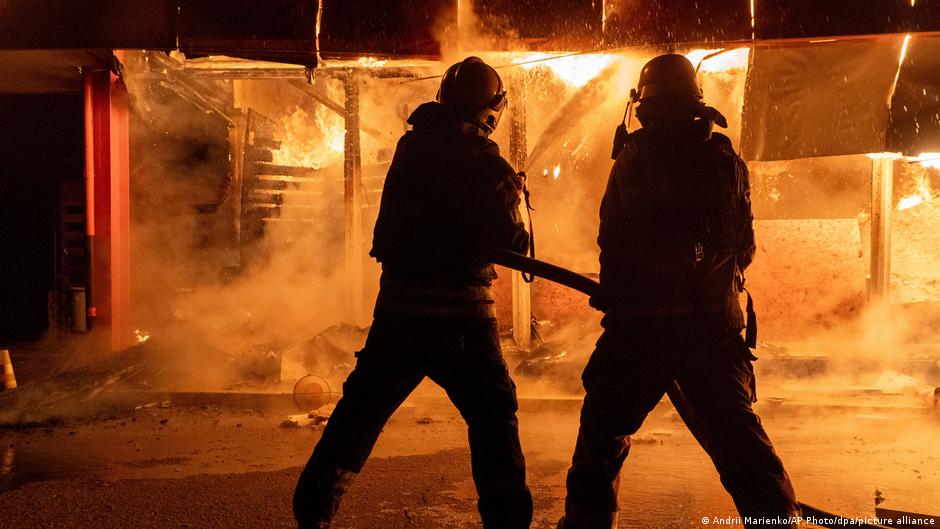
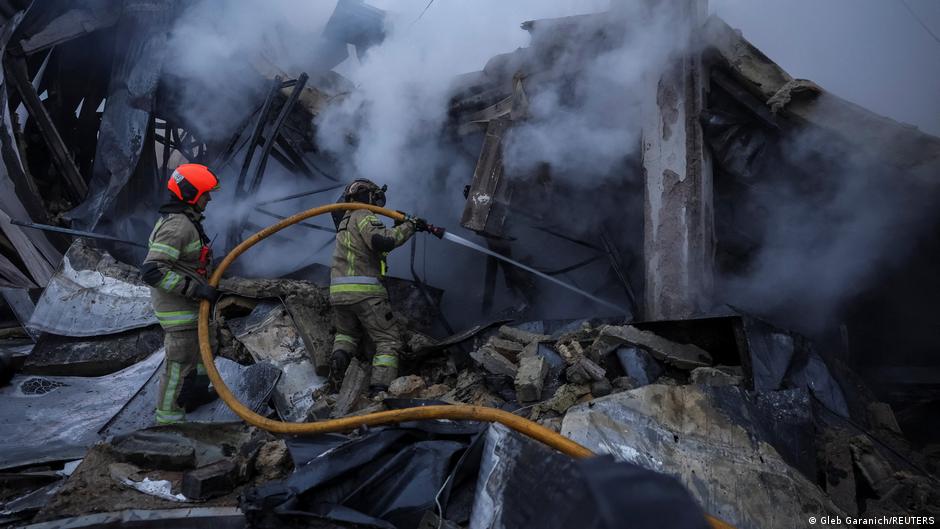
Reports of fires at major industrial sites in western Russia following Ukrainian drone attacks are drawing renewed attention to the vulnerability of the country’s metals, chemicals and defense-related supply chains. The incidents, which had not been confirmed by Ukrainian military authorities or officials in the Lipetsk region at the time of publication, could carry economic significance beyond the immediate physical damage.
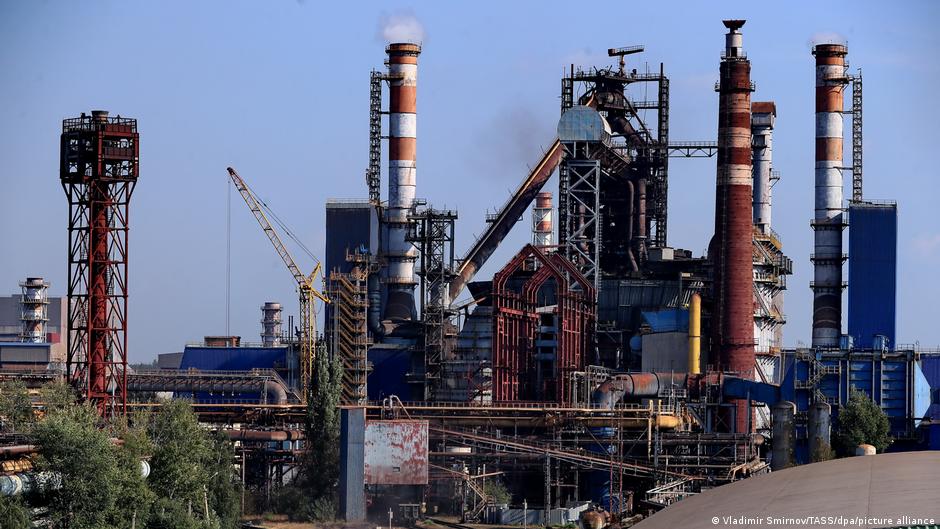
The Ukrainian monitoring channel Exilenova+ said the city of Lipetsk came under attack by jet-powered drones operated by the Armed Forces of Ukraine during the night of Wednesday, October 28. According to its preliminary open-source analysis, a fire broke out near the Novolipetsk Steel Works, or NLMK, during the strikes and amid the response by local air defenses.
NLMK had previously been targeted in Ukrainian attacks in 2024. The recurrence is economically important because repeated threats can impose costs even when production facilities avoid serious damage. Air-raid interruptions, inspections, repairs, additional security and uncertainty over transport schedules can all affect industrial operations. The source report, however, provided no verified assessment of damage or disruption at the plant.
Industrial concentration creates strategic exposure
Large metallurgical complexes concentrate furnaces, energy infrastructure, logistics and specialized equipment in a limited area. That concentration historically created economies of scale, allowing heavy industry to reduce unit costs and coordinate production. In wartime, the same model can become a liability: disruption at one large site may be harder to offset than the temporary loss of several smaller facilities.
Exilenova+ also reported strikes near a military airfield in Lipetsk. It said missile alerts sounded across several Russian regions and that air defenses engaged jet-powered targets over the city. Preliminary information cited by the channel indicated impacts and a fire in the airfield area.
“There is preliminary information about impacts and a fire in the airfield area,” the monitoring channel said.
The channel published photographs and videos attributed to witnesses that appeared to show air-defense activity. Its analysis said one video captured explosions of 30-millimeter rounds fired by automatic antiaircraft guns belonging to a Russian Pantsir surface-to-air missile and gun system. It claimed the fire did not hit the intended targets.
Later, Exilenova+ cited residents as reporting an attack and subsequent fire at the Azot chemical plant in Novomoskovsk, in Russia’s Tula region. No further details were provided. According to Ukraine’s Foreign Intelligence Service, the enterprise supplies nitric acid to the Sverdlov plant in Dzerzhinsk, Nizhny Novgorod region, which manufactures explosives.
Tula Governor Dmitry Milyaev said air-defense units were repelling a drone raid on the region. He reported damage in Novomoskovsk to apartment buildings, private homes and infrastructure in a nearby industrial zone. He did not, in the information cited, confirm the reported fire at Azot. Ukraine’s General Staff, Ukraine’s Defense Ministry and the Lipetsk regional authorities had not commented on the attacks at the time of publication.
Pressure moves upstream through supply chains
The reported incidents fit a wider pattern of attacks on facilities whose economic role extends upstream from the battlefield. Steel, industrial chemicals and batteries are general-purpose products with civilian applications, but they can also support military manufacturing, transport and weapons production. Targeting such assets can therefore create difficult allocation decisions for an economy operating under wartime constraints.
On October 25, Ukrainian forces carried out another strike on what the Lipetsk governor described as Russia’s largest battery-production plant, located in Yelets. Governor Igor Artamonov did not identify the enterprise or disclose the scale of the damage. Open-source analysis by the publication Astra identified the target as the Energia factory in the city’s industrial zone.
According to Astra, Energia manufactures batteries used in Russian drones, several missile systems and other weapons widely employed by Russian forces in the war against Ukraine. Exilenova+ said several Storm Shadow missiles attacked the enterprise, with at least two impacts recorded in two buildings. The channel reported extensive destruction to one production building.
Ukraine’s General Staff confirmed the following day that the enterprise had been hit and damaged, but did not name the weapon used. Before the October 25 strike, Energia had already been targeted five times by Ukrainian forces.
The historical parallel is the shift seen in prolonged industrial wars from attacks on frontline assets toward pressure on production networks behind them. The modern version differs because long-range drones and missiles can repeatedly reach selected factories without a conventional advance into the surrounding territory. Repetition matters: even where machinery survives, recurring strikes can force manufacturers to disperse inventories, strengthen defenses and maintain redundant capacity.
The broader economic consequence is a possible erosion of the efficiency advantages created by industrial concentration. Russia can respond through repairs, substitution, stockpiling and geographic dispersal, but each measure carries costs. For now, the absence of independently verified damage estimates makes it impossible to calculate the production impact of the latest reported attacks. Their pattern nevertheless illustrates how the war is increasingly testing the resilience of industrial systems as well as military forces.