Russia Develops Shadow Air Fleet to Bypass Western Sanctions in African Sahel
An extensive network of military and private aircraft supports Russian military operations in Africa’s Sahel region, circumventing sanctions.
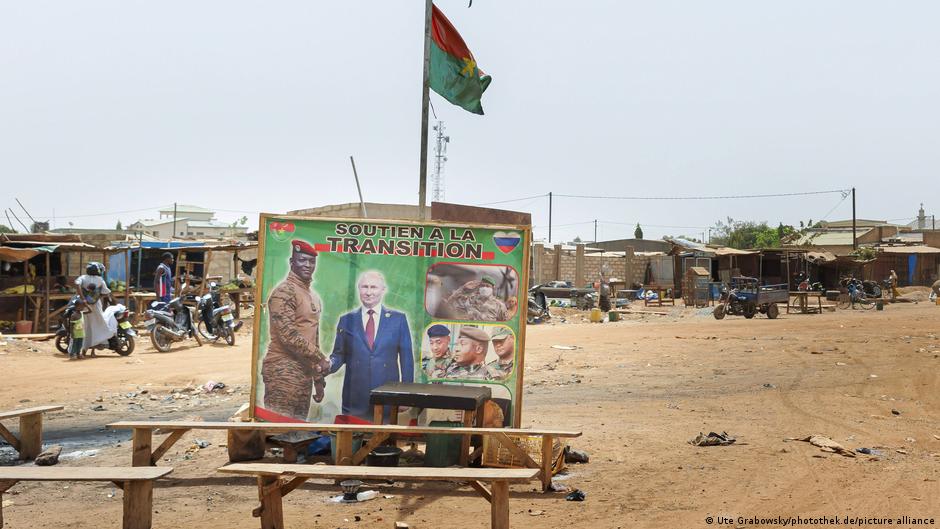
Russia has established a "shadow air fleet" to supply its military forces operating in the Sahel region of Africa, circumventing Western sanctions. This network comprises both military and private aircraft, enabling Moscow to maintain logistical support for its deployments in Mali, Burkina Faso, and Niger.
Strategic Logistics in a Sanctioned Environment
The Brussels-based news portal Euractiv reported on August 22, 2026, citing research from the Washington-based Center for Advanced Defense Studies (C4ADS), that from January 2025 to July 2026, there have been at least 75 flights originating from Russia to the Sahel countries. This shadow air fleet operates under a complex logistics network involving military operators, government agencies, and private transportation companies.
Such a logistical system echoes Russia’s approach to circumventing sanctions in other domains, such as its "shadow fleet" for maritime oil exports. The most active carrier identified is the 224th Flight Detachment, a state-controlled entity under the Russian Ministry of Defense, which has already been subject to U.S. sanctions. Alongside this, the analysis highlights private companies like Sapsan Airlines and Liz Aviation, as well as aircraft operated by the Russian Ministry of Emergency Situations (MChS), none of which currently face restrictions from the European Union, United States, or United Kingdom.
"If these aircraft and companies are knowingly transporting Russian military personnel or cargo to support units in Africa, targeted sanctions must be imposed regardless of aircraft registration," said Tomas Zdechovsky, a Czech MEP from the European People’s Party.
The shadow air fleet not only uses Russian state-owned aircraft but also leverages commercial hubs in Turkey, Algeria, and the United Arab Emirates. Russian government planes regularly transit through Russian-controlled bases in Syria and Libya, indicating a broad geographic scope in the logistics chain.
Economic Implications and Historical Parallels
This development reveals the evolving nature of Russia’s strategic economic and military outreach amid increasing international isolation. The shadow aviation network exemplifies how states can adapt complex supply chains to evade sanctions, sustaining military operations abroad. Historically, similar tactics have been employed by states under embargo or sanctions, leveraging private companies and indirect routes to maintain critical logistics. The parallel to Russia’s shadow maritime fleet used for oil exports underscores a pattern of dual-use infrastructure serving both economic and military objectives.
From an economic standpoint, the use of private carriers not currently sanctioned introduces a loophole in enforcement mechanisms, challenging the efficacy of sanctions regimes. It also signals a diversification of Russian logistical assets, potentially increasing the resilience of its military operations in geopolitically sensitive regions.
Moreover, the involvement of multiple countries as transit hubs complicates the sanctioning process and highlights the transnational nature of contemporary supply chains. It raises critical questions about international cooperation and the capacity of regulatory frameworks to adapt to hybrid civil-military logistics networks.
The shadow air fleet’s operations in the Sahel also have broader geopolitical and economic consequences. By sustaining military support in West Africa, Russia reinforces its influence in a resource-rich but politically volatile region, potentially reshaping regional alliances and economic dependencies.
Policy Considerations for the European Union
European policymakers face a pressing challenge. The uncovered logistics network demands urgent assessment and response to prevent further circumvention of sanctions. As MEP Tomas Zdechovsky emphasized, the EU and its member states must consider targeted sanctions on implicated carriers and associated companies, regardless of aircraft registration or location.
This episode exemplifies the need for enhanced intelligence sharing, tighter regulatory frameworks, and coordinated action among Western allies to address emerging hybrid sanction-busting strategies. Failing to do so risks undermining the strategic goals of sanctions and the broader stability of international norms governing military logistics and sanctions enforcement.
In conclusion, Russia’s shadow air fleet in Africa represents not only a tactical adaptation to sanctions but also signals a broader structural evolution in how geopolitical conflicts intersect with economic and logistical systems. Understanding and addressing these dynamics will be critical for policymakers aiming to uphold the integrity of economic sanctions and maintain geopolitical stability.