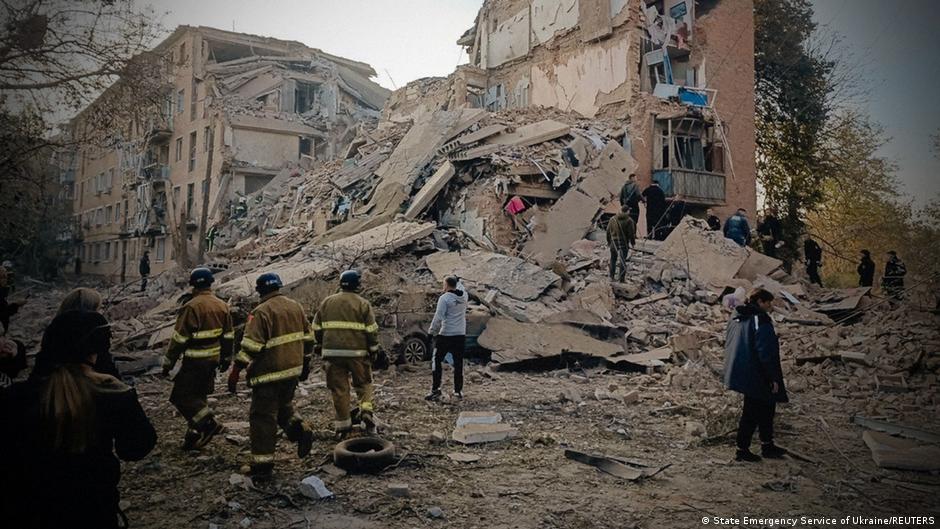
Russian Airstrikes on Kramatorsk Cause Civilian Casualties and Structural Damage
A series of Russian aerial bombings on Kramatorsk and nearby Belenkoye resulted in one death and multiple injuries, highlighting persistent frontline vulnerabilities.
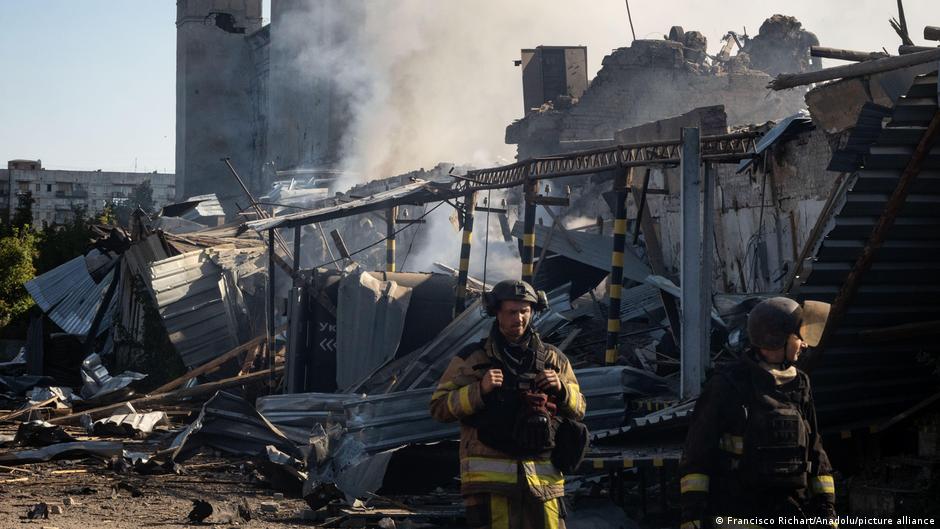
On the evening of August 13, Russian armed forces conducted multiple airstrikes targeting the city of Kramatorsk and the nearby urban-type settlement of Belenkoye in Ukraine's Donetsk region. Preliminary reports indicate the use of aerial bombs, resulting in one confirmed fatality and 15 injured civilians.
Vadim Filashkin, head of the Donetsk Regional Military Administration, provided details via Telegram, noting that eight separate strikes occurred between 8:30 p.m. and 8:56 p.m. local time. He confirmed that residential areas in Kramatorsk were hit, causing damage to a multi-story apartment building. The full extent of destruction remains under assessment.
Video footage from the scene shows that part of a nine-story residential building partially collapsed and a fire broke out. Emergency responders have expressed concern that individuals may still be trapped under the rubble.
Repeated Airstrikes and Economic Implications
Kramatorsk, a city situated near the active frontline, has been subjected to frequent Russian aerial bombardments since the onset of heightened hostilities. Earlier incidents underscore a troubling pattern:
- On July 31, four aerial bombs were dropped on Kramatorsk, resulting in one death and 11 injuries. The ensuing fires consumed approximately 685 square meters of urban area, according to Ukraine's State Emergency Service.
- A day earlier, Russian forces deployed five FAB bombs, one striking a residential high-rise, igniting a fire and injuring six civilians.
- On July 20, the city endured six separate attacks on residential districts, causing additional casualties including fatalities.
These persistent assaults not only cause tragic loss of life and injury but inflict substantial damage on critical residential infrastructure. The repeated destruction of housing stock disrupts local economic activity, displaces populations, and erodes social stability, compounding the complexity of reconstruction and recovery efforts.
"The recurrent targeting of civilian residential areas in Kramatorsk highlights the severe humanitarian and economic toll on frontline urban centers," said an analyst on conflict-driven economic disruption.
Historically, sustained attacks on urban infrastructure during armed conflict have precipitated long-term structural economic consequences. The destruction of housing leads to increased displacement, reduces local labor availability, and burdens public resources with reconstruction demands. Additionally, such damage undermines investor confidence and inhibits economic resilience in contested regions.
For Kramatorsk, these airstrikes exacerbate existing vulnerabilities, potentially catalyzing a protracted decline in the city's economic viability and quality of life. The cumulative impact of repeated bombardments threatens to destabilize frontline urban economies well beyond the immediate physical destruction.