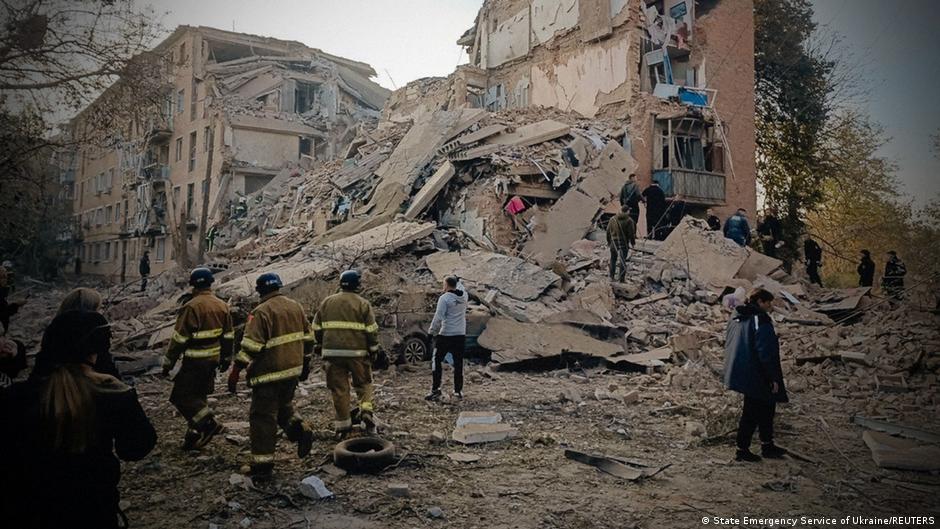
Russian Attacks on Ukrainian Regions Result in Civilian Casualties and Infrastructure Damage
Russian aerial and missile strikes on multiple Ukrainian regions killed four and injured 25, highlighting ongoing conflict impacts on civilian areas.
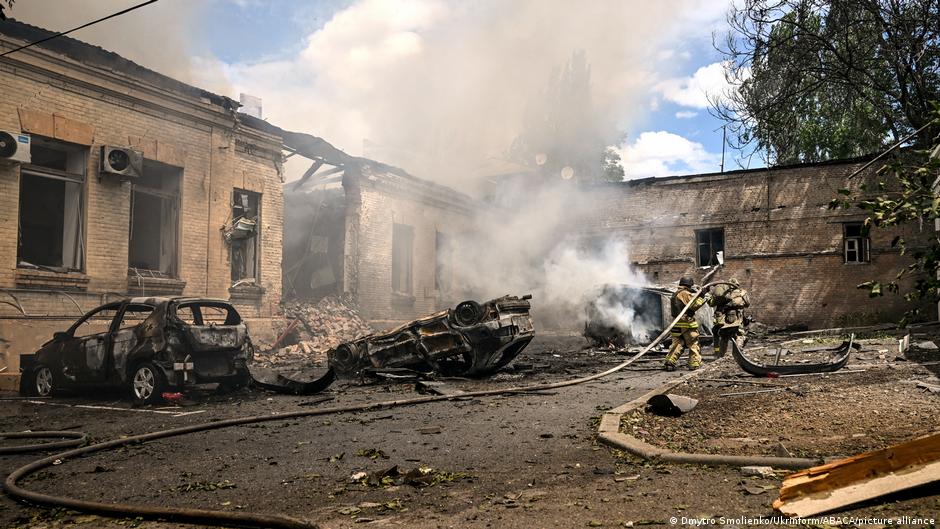
On July 5, 2024, Russian forces launched a series of coordinated attacks across several Ukrainian regions, employing aerial bombs, missiles, and drones. The strikes targeted urban centers including Zaporizhzhia, Kharkiv, Kherson, Izium, Bohodukhiv, and Chernihiv, resulting in four fatalities and 25 injuries according to regional authorities.
Strategic Targeting of Civilian Infrastructure and Urban Areas
The attack on Zaporizhzhia involved two aerial bombs, causing significant destruction to private homes and damaging 35 apartments in a multi-story building. Ivan Fedorov, head of the Zaporizhzhia Regional Military Administration, reported one death and 13 injuries, including a 14-year-old adolescent and an elderly woman aged 89. The threat from drone attacks persisted throughout the day, underscoring the continued vulnerability of civilian zones.
In Kherson, two individuals were wounded early in the day, with one sustaining an explosive trauma and shrapnel wounds to the arm, reflecting the indiscriminate nature of the assaults. Meanwhile, in Chernihiv, a daytime strike destroyed a sorting center of a major postal service, illustrating the broader economic disruption beyond immediate human casualties.
Bohodukhiv in Kharkiv Oblast suffered two fatalities and two injuries during a missile strike. Additional damage included destruction to a gas station and damage to five vehicles. Izium experienced one fatality and three hospitalizations due to rocket impacts, further emphasizing the human toll of the conflict on regional communities.
Kharkiv itself was targeted twice in the same day, with drone strikes hitting a gas station and other locations. The attacks caused multiple injuries, including to women and an 18-year-old, all requiring hospitalization. This repeated targeting of urban infrastructure and civilian spaces continues to raise concerns about the humanitarian consequences of the conflict.
"Residents are urged to temporarily avoid visiting gas stations and not to remain near them without necessity," advised Oleh Hryhorov, head of the Sumy Regional Military Administration, highlighting ongoing threats beyond active combat zones.
The escalation comes amid warnings from Ukrainian President Volodymyr Zelensky, who cited intelligence reports about potential new large-scale Russian attacks. On July 2, the capital Kyiv experienced the most intense missile barrage since the war began, resulting in 31 deaths and over 100 injuries, illustrating the persistent volatility and risk to civilian populations.
Economic and Structural Implications
These attacks underscore the broader structural economic impact of the ongoing conflict. Damage to residential buildings displaces families and strains social services. Destruction of commercial infrastructure such as postal sorting centers disrupts logistics and supply chains critical for regional economies and humanitarian aid distribution.
Repeated targeting of fuel stations not only threatens human lives but also jeopardizes energy supply chains essential for transportation and emergency services, potentially compounding economic instability. The widespread nature of the attacks across multiple regions also reflects a strategic intent to strain Ukraine's civil infrastructure and morale.
The conflict’s persistent escalation raises parallels with historical conflicts where civilian centers became battlegrounds, leading to protracted economic and social disruption. Long-term reconstruction efforts will require significant investment and stability, which remain uncertain amid ongoing hostilities.
Overall, the July 5 attacks demonstrate the continuing human cost and the complex economic reverberations of the conflict in Ukraine, emphasizing the urgent need for conflict resolution to prevent further devastation.