Russian Missile and Drone Strikes on Kyiv Cause Civilian Casualties Amid Rising Tensions
Russia's intensified attacks on Kyiv signal escalating conflict with significant civilian and infrastructural damage.
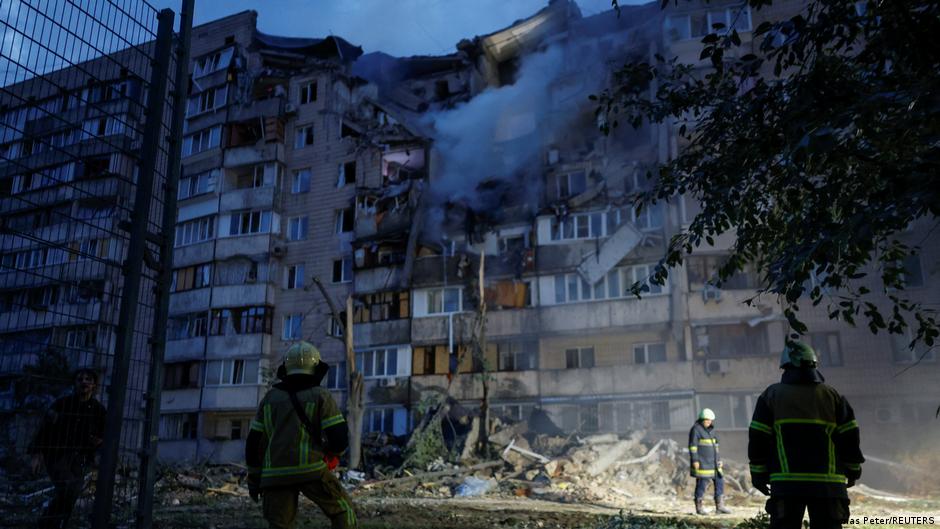
On the night of July 6, Russian military forces launched a concentrated missile and drone assault on Kyiv, the Ukrainian capital, resulting in significant casualties and damage. The attack involved a combination of ballistic and cruise missiles, as well as strike drones, targeting multiple urban districts.
Impact and Immediate Response
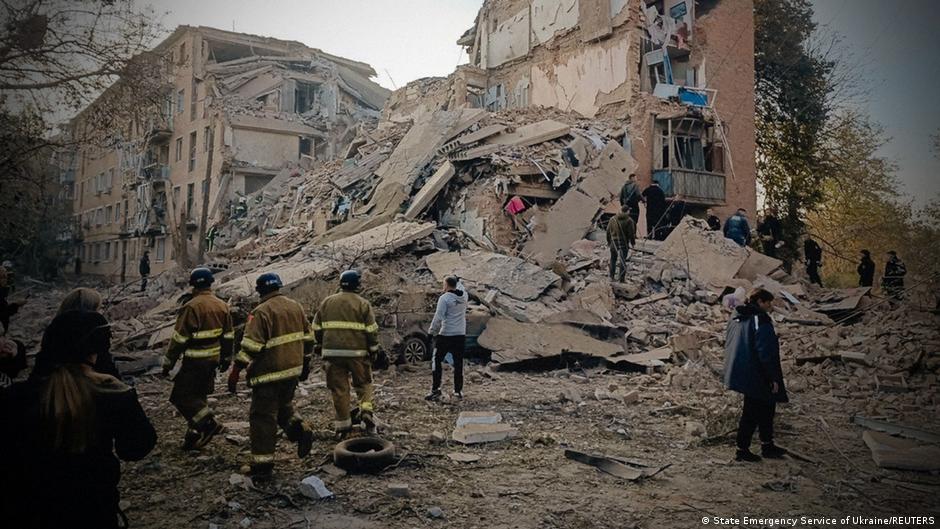
Authorities in Kyiv confirmed at least seven fatalities and 24 injuries, with 14 of the wounded hospitalized, including two children. Vitaliy Klitschko, Kyiv's mayor, reported considerable destruction in the Podilskyi district, where residential buildings sustained severe damage. Notably, residents were trapped between the 7th and 9th floors of a partially collapsed apartment block. Rescue operations managed to evacuate 15 individuals from the affected site, including three women and six children from the upper floors.
The assault also inflicted damage in the Darnytskyi and Holosiivskyi districts, where residential buildings were hit, and fires broke out in a five-story structure. These incidents underscore the vulnerability of civilian infrastructure amidst military escalations.
The broader Kyiv region was not spared. In Bucha district, one person was killed and ten others injured, with six requiring hospitalization. Additional damage was reported across Bucha, Vyshhorod, and Brovary districts, affecting private homes, enterprises, and critical civilian infrastructure. Emergency services have been actively engaged in response and recovery efforts.
Further afield, Odesa also experienced airstrikes, resulting in injuries and damage to private residences, highlighting the expanding geographical scope of the conflict's impact on Ukrainian urban centers.
Contextualizing the Escalation
These developments come amid warnings from Ukrainian President Volodymyr Zelensky, who cited intelligence indicating an impending massive Russian offensive. Zelensky linked the timing of the attacks to significant international events, noting the strikes occurred shortly after the U.S. Independence Day and just prior to the NATO summit in Ankara scheduled for July 7-8.
"This is in the spirit of Putin — immediately following America's Independence Day and before the NATO summit," remarked President Zelensky, emphasizing the strategic timing behind the assault.
The attacks illustrate a deliberate strategy by Russia to exert pressure on Ukraine through intensified aerial bombardments, exacerbating the humanitarian crisis and complicating diplomatic efforts.
Economic and Structural Consequences
The targeted strikes against residential and civilian infrastructure have profound implications beyond immediate human suffering. The destruction of housing and vital services disrupts urban economies, displaces populations, and strains local government resources. The damage to private enterprises and facilities in the Kyiv region threatens to weaken economic resilience and prolong recovery periods.
Historically, such sustained attacks on urban centers during conflicts have led to significant long-term socio-economic challenges. Reconstruction demands substantial financial investment and international aid, while the disruption of economic activities diminishes local and national economic output. The psychological toll on the populace and the resultant demographic shifts due to displacement further complicate post-conflict economic stabilization.
As the conflict endures, the capacity of Ukraine to maintain essential services and economic functions within its capital and other major cities remains under severe pressure. The current escalation underscores the need for comprehensive international support focused not only on military defense but also on economic resilience and humanitarian relief.