Russian Court Restricts Actions of Accused in Moscow Exchange Market Manipulation Case
Two suspects accused of manipulating stock prices via Telegram channels face court-imposed restrictions amid investigation of illicit profits over 28 million rubles.
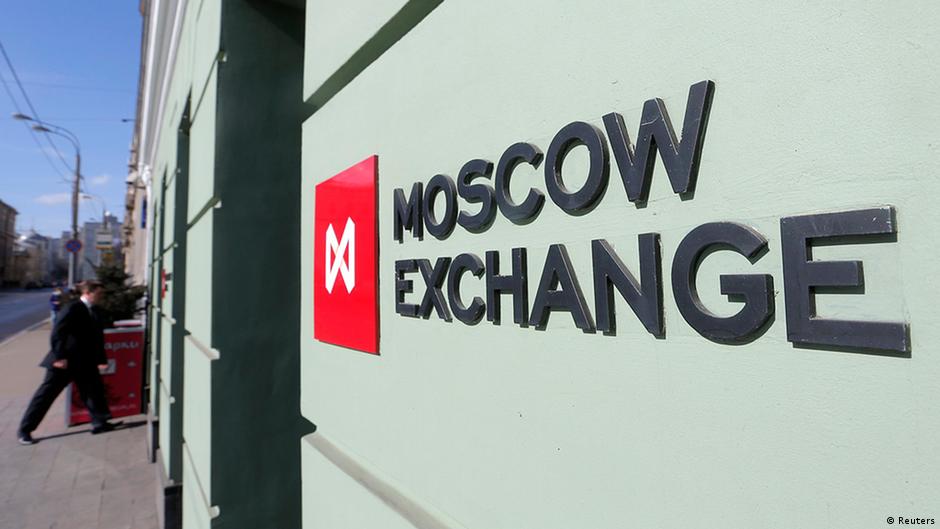
The Basmanny District Court of Moscow has imposed restrictions on actions of Ilya Marochenkov and Gavriil Romanenko, who stand accused of manipulating the Russian stock market through trades conducted on the Moscow Exchange. This legal move comes as part of a broader investigation into alleged market manipulation schemes facilitated via Telegram channels that influenced securities prices.
Background and Investigation
According to the investigative authorities, the accused individuals formed part of an organized group that generated illicit income exceeding 28 million rubles. Both Marochenkov and Romanenko have partially admitted their guilt, underscoring the gravity of the charges.
Earlier this April, the Russian Ministry of Internal Affairs, in cooperation with the Federal Security Service (FSB), detained three men suspected of systematic interference in securities pricing. The suspects operated thematic Telegram channels, including "РынкиДеньгиВласть | РДВ," "Сигналы РЦБ," and "Волк с Мосбиржи," which collectively amassed an audience nearing 300,000 subscribers.
These channels reportedly issued calls to buy or sell particular assets during 2023 and 2024, thereby distorting market quotations. The manipulation allegedly involved over 55,000 illegal transactions executed through PFL Advisors, an investment firm implicated in the case.
Regulatory and Legal Ramifications
On the same day as the detentions, the Central Bank of Russia issued ten official directives addressing violations of federal law aimed at preventing insider trading and market manipulation. Those who received these orders include Gavriil Romanenko, Ilya and Irina Marochenkov, and Vladislav Panteleev, a partner at PFL Advisors.
"The case highlights the expanding role of digital platforms in financial market dynamics and the challenges regulators face in curbing illicit activities in rapidly evolving technological environments," noted a market analyst.
This development underscores the structural vulnerabilities within Russia’s financial market infrastructure, particularly pertaining to the influence of social media and encrypted messaging platforms in shaping investor behavior and asset valuations.
Economic and Market Context
Market manipulation schemes have broad consequences for market integrity and investor confidence. The rise of Telegram and similar platforms as vectors for coordinated trading signals poses a significant regulatory challenge, blurring the lines between legitimate market commentary and illicit interference.
Russia’s regulatory framework has been adapting to these challenges, but cases such as this reveal the need for further systemic reforms. Persistent market manipulation can lead to price distortions, liquidity issues, and unfair competitive advantages, which in turn may deter domestic and foreign investment.
Examining historical parallels, markets globally have struggled with the impact of electronic and social media-driven trading behaviors, necessitating continuous evolution in oversight mechanisms.
As Russia navigates these regulatory complexities, this case may serve as a precedent for more robust enforcement against digital-era market abuses, ultimately aiming to protect investors and uphold market fairness.