US Halts Pakistan-Based Negotiations with Iran Amid Strategic Confidence and Diplomatic Stalemate
President Trump declares US negotiators will no longer travel to Pakistan for talks with Iran, citing America’s strategic upper hand and logistical challenges.
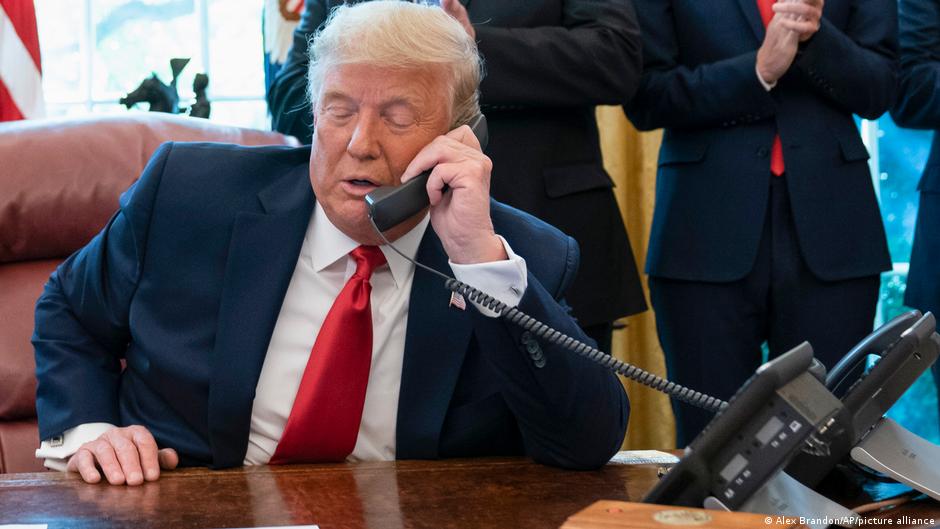
In a significant shift in US diplomatic engagement with Iran, President Donald Trump announced that American officials would no longer travel to Pakistan to conduct peace talks aimed at ending hostilities. Speaking on Fox News’ The Sunday Briefing on April 26, Trump framed this decision as a reflection of the United States’ strategic advantage and questioned the necessity of in-person negotiations given modern communication technologies.
Strategic Positioning and Logistical Challenges
Trump stated, “We have all the cards. If they want to talk, they can come to us or call us. We have good secure lines of communication.” While acknowledging potential vulnerabilities in any phone line’s security, the president emphasized that the US possesses protected communication channels sufficient for dialogue.
The cancellation of the scheduled trip by negotiators Stephen Witkoff and Jared Kushner to Islamabad, planned for late April, underscores a broader recalibration of US engagement tactics. Trump cited the time-consuming nature of the 18-hour travel to Pakistan and internal discord within the Iranian delegation as additional reasons for halting the in-person meetings: “Too much time is wasted on the road, too much work, and there is tremendous infighting and confusion on their side. Nobody knows who is in charge, including themselves.”
This stance is reflective of the Trump administration’s broader posture of confidence in its leverage against Iran, following the recent military and economic pressures applied in the region.
Background of Negotiations and Broader Implications
The first direct talks between US and Iranian officials took place in Islamabad on April 11, shortly after a tentative ceasefire agreement was reached. However, these discussions failed to produce substantive progress, with US-imposed measures such as the blockade of the Strait of Hormuz exacerbating tensions. Iran subsequently accused the US of violating the ceasefire terms, while Tehran maintained that lifting the blockade of its ports was a precondition for meaningful negotiations.
President Trump rejects Iran’s demands, insisting that Tehran must abandon its nuclear program ambitions, which the US cites as a fundamental cause of hostilities. Yet, a fragile ceasefire remains in effect in the Middle East, initially slated for two weeks but extended indefinitely as talks continue, reportedly at Iran’s request.
"If they want to talk, they can come to us or call us. We have good secure lines of communication," Trump stated, highlighting a shift from traditional diplomacy to strategic leverage and remote engagement.
The decision to cease sending diplomats abroad for face-to-face negotiations marks a distinct evolution in US diplomatic strategy. It underscores the growing reliance on power asymmetries and technological means over conventional dialogue venues. Furthermore, it reveals challenges in navigating fragmented negotiation counterparts and logistical burdens of international diplomacy.
For analysts, this development invites reflection on the structural economic and geopolitical consequences of such an approach. The absence of sustained, in-person diplomacy risks prolonging uncertainty in regional stability and global energy markets. The Strait of Hormuz, a critical artery for global oil shipments, remains a focal point of tension, with potential ripple effects on global economic equilibrium.
Historically, major conflicts have often found resolution through persistent, face-to-face dialogue despite logistical hurdles. The US’s current reliance on virtual communications and strategic posturing may signal a transformation in diplomatic norms, influenced by technological advances and shifting power dynamics. The long-term efficacy of this model remains to be seen, especially in the context of complex conflicts like that involving Iran.
Moreover, internal divisions within Iran’s negotiating teams, as noted by Trump, expose underlying political fragmentation that complicates external engagement. This internal turbulence may serve as both a challenge and an opportunity for US diplomacy, depending on how leverage is exercised and negotiations evolve.
In sum, the cessation of US delegation travel to Pakistan for Iran negotiations encapsulates broader themes in contemporary international relations: the interplay of technological communication, strategic advantage, logistical pragmatism, and the persistent challenges of engaging fractured interlocutors in high-stakes diplomacy.