Russian Drone Strikes on Zaporizhzhia Result in Civilian Casualties and Infrastructure Damage
One civilian killed and six injured as Russian UAV attacks hit residential and non-residential areas in Zaporizhzhia.
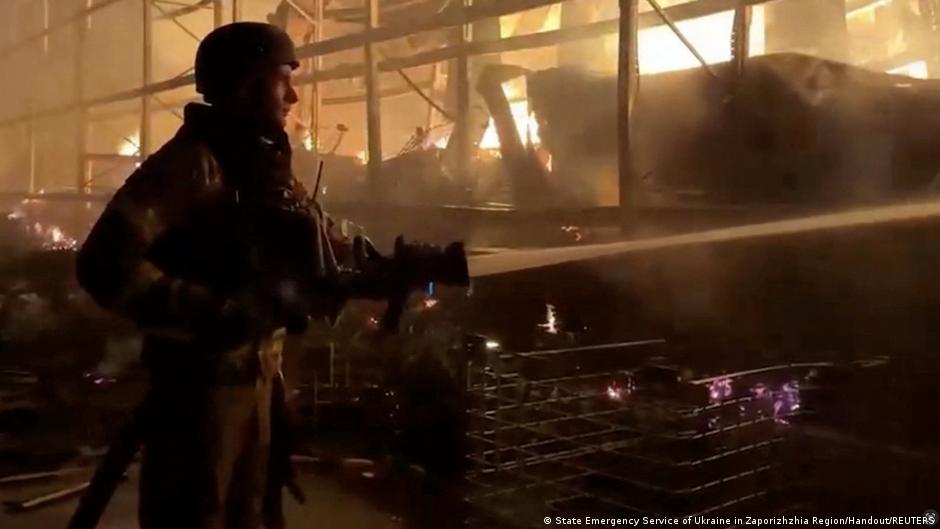
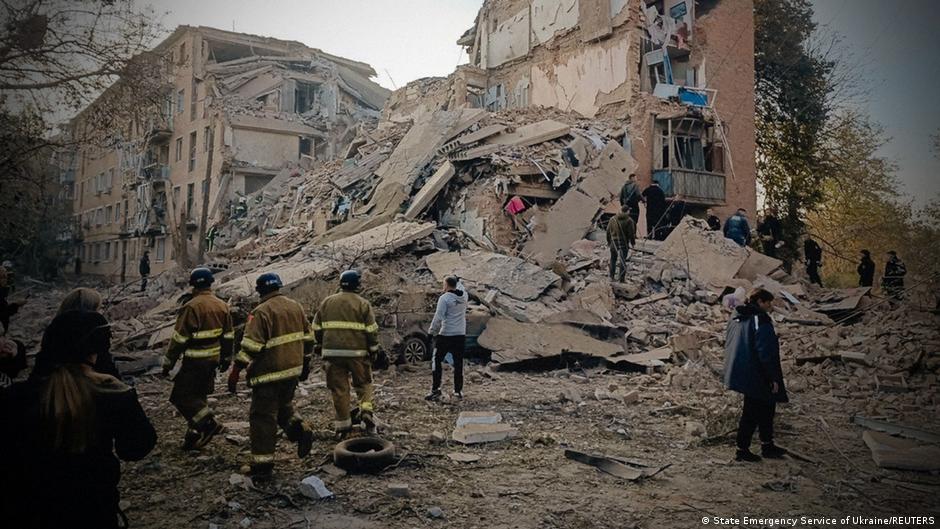
Overnight drone strikes launched by Russian forces on the city of Zaporizhzhia have resulted in the deaths of one civilian and injuries to six others, according to the regional military administration head, Ivan Fedorov. The attacks caused significant damage to both residential and non-residential buildings, with ongoing rescue operations amid concerns that more people may be trapped under rubble.
Context and Consequences of the Drone Attacks
The use of unmanned aerial vehicles (UAVs) in conflict zones has become a prominent feature of modern warfare, indicative of evolving tactics that emphasize precision strikes while attempting to minimize direct troop engagement. However, the recent strikes in Zaporizhzhia underscore the persistent risks faced by civilian populations in contested regions, as well as the broader socio-economic ramifications of infrastructure damage.
Zaporizhzhia, a strategic city in southeastern Ukraine, has experienced repeated assaults since the onset of hostilities. The latest attack on the night of August 19 targeted multiple sites, inflicting damage on residential housing and critical non-residential infrastructure. The impact has not only resulted in casualties but also disrupted essential services, complicating recovery and humanitarian efforts.
Ivan Fedorov reported that a fire broke out at the sites of the strikes and that emergency responders continue to search for potential survivors beneath the rubble. The night also saw alerts regarding the possible use of guided aerial bombs over the city, heightening the sense of threat among residents.
"The ongoing attacks highlight the vulnerability of civilians and underscore the urgent need for enhanced protective measures and conflict resolution," said a regional official.
From an economic perspective, the destruction of housing and public infrastructure exacerbates the already significant costs borne by war-affected regions. The reconstruction demands divert resources from productive investment and deepen economic instability. Moreover, persistent insecurity discourages external investment and complicates the delivery of humanitarian aid.
Historically, protracted conflicts have left deep scars on regional economies, with damage to infrastructure and loss of human capital leading to long-term underdevelopment. The situation in Zaporizhzhia reflects these patterns, emphasizing the need for both immediate humanitarian response and long-term economic planning to facilitate recovery.
Given the evolving nature of warfare, including the increasing reliance on UAVs and precision munitions, international humanitarian frameworks face new challenges in protecting civilian populations and infrastructure. The Zaporizhzhia strikes call attention to the intersection of military tactics and economic resilience in conflict zones.