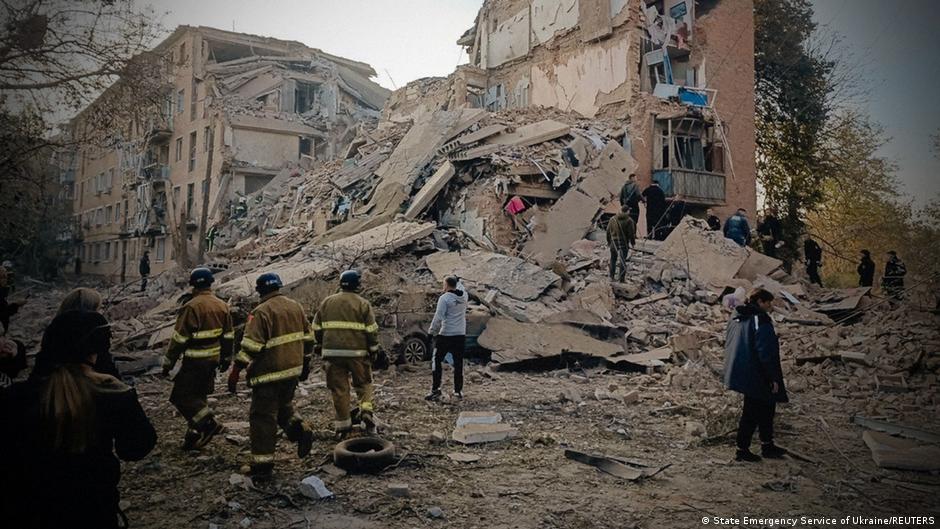
Russian Military Attacks Cause Multiple Civilian Casualties and Infrastructure Damage in Ukraine
Sustained Russian assaults across Dnipropetrovsk, Kharkiv, and Sumy regions inflict civilian deaths, injuries, and critical infrastructure harm amid ongoing conflict.
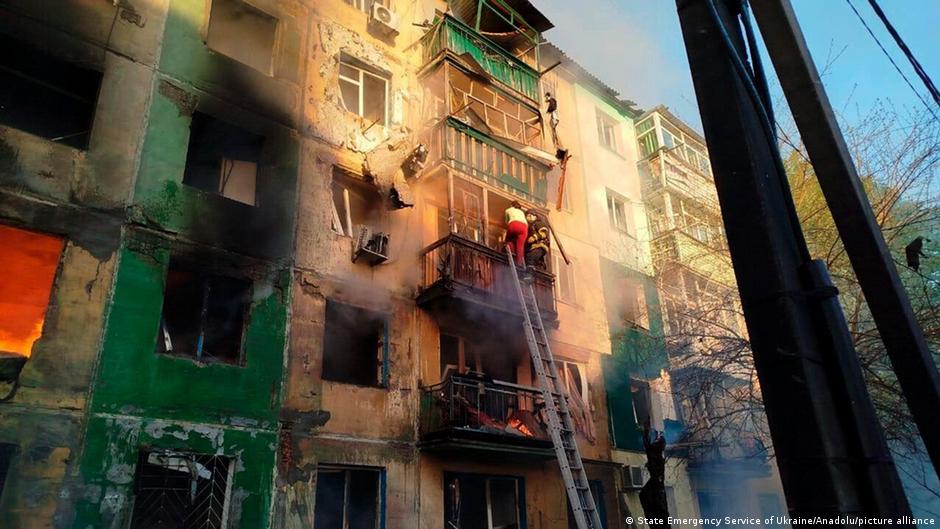
On August 8, Russian forces launched a series of attacks across several Ukrainian regions, resulting in at least four civilian deaths and multiple injuries. These assaults, involving drones, artillery, and aerial bombs, targeted urban and rural areas in Dnipropetrovsk, Kharkiv, and Sumy oblasts, causing significant damage to infrastructure and disrupting daily life.
Context and Impact of the Attacks
According to regional authorities, the Dnipropetrovsk region suffered heavy bombardment with over 40 attacks recorded in four districts. Alexander Ganja, head of the regional military administration, reported two fatalities and two injuries. Among the damaged assets were medical facilities, administrative buildings, commercial stores, and private homes. Transport infrastructure also took a hit, with a bus and a truck destroyed.
"More than 40 enemy attacks struck four districts with drones, artillery, and aerial bombs, damaging essential community infrastructure," Alexander Ganja stated.
The city of Pavlohrad was particularly affected. Nine people were injured, including four children aged from three months to six years. Medical teams provided urgent care, and two adults were hospitalized, including a woman in critical condition. Such civilian tolls underline the humanitarian cost of continued military operations in populated areas.
Meanwhile, in Kharkiv Oblast, the situation remains dire. The regional prosecutor's office confirmed the deaths of two men aged 51 and 68 in Kupiansk and Chuhuiv districts after strikes by FPV and UAV drones. Additional attacks hit the city of Kharkiv itself, damaging a city cemetery and disrupting utilities without reported injuries.
In Izyum, five people sustained injuries from a Russian guided bomb strike, which also damaged four apartment buildings and ten vehicles. This escalation illustrates the ongoing threat to residential zones and critical civilian infrastructure.
Sumy oblast experienced drone attacks targeting railway infrastructure, including a locomotive on the Sumy-Kyiv line. Fortunately, passengers were evacuated safely, and no casualties occurred, but the attack underscores the strategic targeting of transportation networks. Firefighting efforts were repeatedly interrupted due to the risk of further strikes, highlighting operational challenges faced by emergency services.
Broader Implications and Structural Consequences
The sustained barrage of hostilities in Ukraine’s eastern and northern regions reveals several structural economic and social ramifications. Firstly, the repeated strikes on healthcare, transport, and residential infrastructure degrade essential public services, compounding civilian vulnerability and straining local economies already impacted by conflict.
Secondly, this pattern of military targeting severely disrupts supply chains and mobility, affecting both civilian populations and economic activities. Damage to transport infrastructure, such as railways and road vehicles, impairs movement of goods and workers, exacerbating economic isolation and resource scarcity.
Historically, conflict zones experience long-term setbacks in regional economic development due to infrastructure destruction and population displacement. The current attacks reflect a strategic approach aimed at undermining Ukraine’s resilience by targeting civilian and logistical assets, a tactic that can prolong humanitarian crises and hinder post-conflict recovery.
The ongoing threat to emergency responders, evidenced by interrupted firefighting operations, further challenges effective crisis management and disaster mitigation. This dynamic illustrates how contemporary warfare increasingly involves hybrid tactics that complicate traditional emergency responses.
In sum, the August 8 attacks exemplify the complex interplay between military operations and civilian economic structures. The persistent targeting of infrastructure not only inflicts immediate human suffering but also poses significant barriers to Ukraine’s medium- and long-term economic stability and reconstruction efforts.