Serbia to Hold Early Parliamentary Elections in October Amid Political Unrest
President Aleksandar Vučić announces snap elections as widespread protests and corruption allegations challenge his administration.
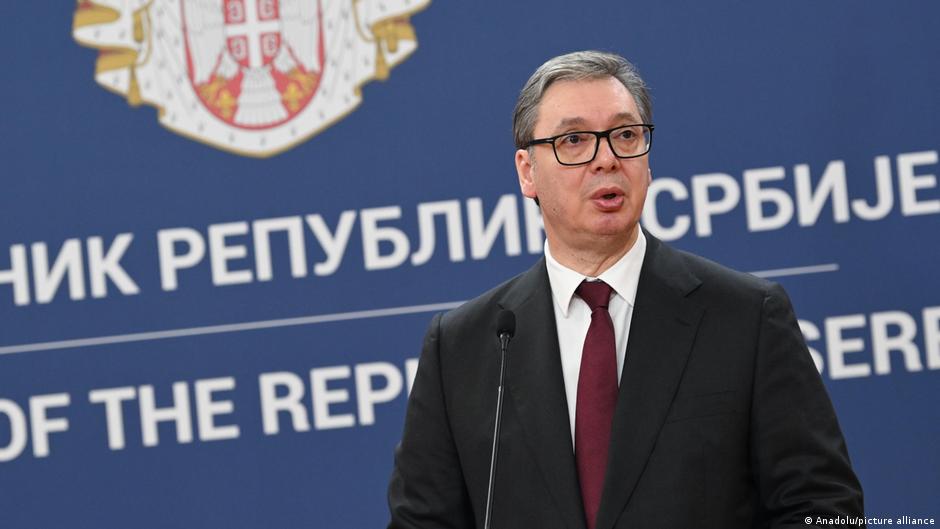
Serbia will hold early parliamentary elections in October 2024, over a year ahead of the originally scheduled date, President Aleksandar Vučić announced on August 20 in a televised statement. The vote is set for either October 18 or October 25, with the exact date to be confirmed shortly.
This decision follows Vučić's June declaration of intent to resign before his presidential term ends in mid-2027. Having been in power for 12 years, Vučić is constitutionally barred from seeking a third term as head of state.
Political Turmoil and Public Dissatisfaction
Serbia has been rocked by widespread protests for more than eighteen months. The demonstrations were initially sparked by the tragic collapse of a canopy at the Novi Sad railway station, which resulted in 16 fatalities. Since then, student-led protests have escalated, drawing tens of thousands and, at times, hundreds of thousands of participants nationwide.
"About 80% of Serbians support anti-corruption demands, and around 64% back the protests," according to recent opinion polls.
Protesters accuse Vučić's government of pervasive corruption, links to organized crime, political violence, and curtailing press freedom. These allegations have intensified scrutiny on the ruling establishment, galvanizing demands for systemic change and transparency.
The push for early elections reflects both the mounting political pressure on the incumbent administration and the broader societal call for reform. Vučić’s announcement can be interpreted as an attempt to re-legitimize governance amid ongoing unrest and the constitutional limit on his presidency.
Economic and Structural Implications
The upcoming elections carry significant economic and structural implications for Serbia. Political instability often deters foreign investment and can stall economic reforms critical for Serbia's European integration ambitions. The protests reveal deep-rooted governance challenges, including endemic corruption and weak institutional checks, which have historically hampered economic progress.
Drawing parallels with previous post-communist transitions in the Balkans, Serbia's current situation underscores the complex interplay between political stability and economic development. Early elections may offer a pathway to renewed political mandate, but substantial reforms will be needed to address structural inefficiencies and restore public trust.
As Serbia navigates this crossroads, the international community and regional partners will closely watch the electoral process and subsequent policy directions, given the country's strategic importance in Southeast Europe.