Trump Seeks North Korea Summit at APEC Amid Renewed Nuclear Negotiation Hopes
US President Donald Trump aims to revive stalled talks on Pyongyang’s nuclear program during November’s APEC summit in Shenzhen.
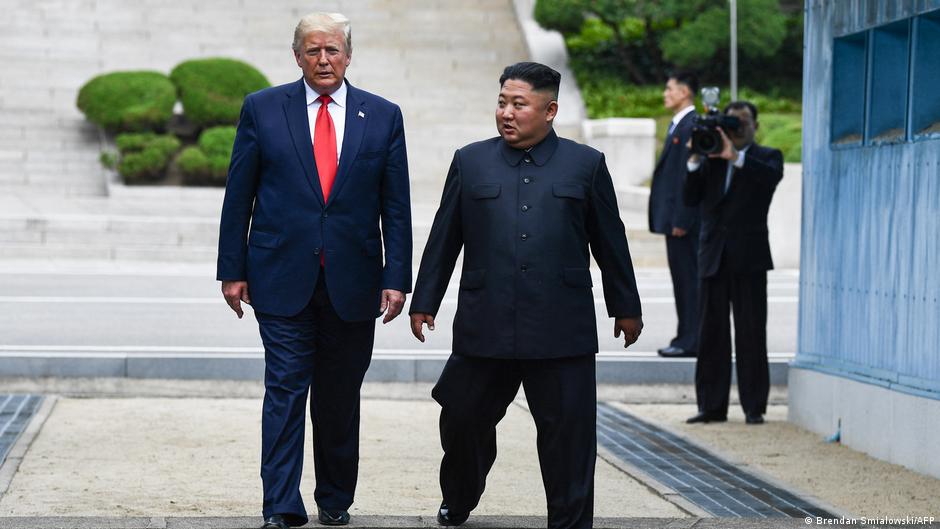
Former US President Donald Trump has expressed intentions to meet North Korean leader Kim Jong Un this fall, coinciding with the Asia-Pacific Economic Cooperation (APEC) summit scheduled for November in Shenzhen, China. This initiative marks a potential resumption of dialogue surrounding North Korea's nuclear weapons program, which has largely stagnated following previous high-profile summits.
Historical Context and Strategic Implications
Trump and Kim Jong Un met three times during Trump’s presidential term, with initial hopes that these engagements would lead to significant denuclearization steps. However, the negotiations ultimately reached a deadlock, and North Korea's nuclear arsenal has reportedly expanded substantially since then.
"Judging by the hundreds of demonstrated launch platforms and the increasing annual production of plutonium and highly enriched uranium, North Korea’s arsenal likely numbers in the several hundreds," according to Jeffrey Lewis, a nuclear expert at Stanford University’s Center for International Security and Cooperation.
This assessment highlights the continuing complexity and urgency of the North Korean nuclear issue, which remains one of the most challenging aspects of East Asian security and global nonproliferation efforts.
In parallel with his diplomatic overtures, Trump has also publicly announced a reduction in the scale of US military exercises with South Korea and proposed the establishment of a peace agreement with North Korea, signaling a strategic shift toward engagement rather than containment.
These developments occur amidst a broader geopolitical landscape marked by intensifying US-China competition and regional security realignments, with North Korea’s nuclear capabilities serving as a critical flashpoint.
Challenges Ahead for Nuclear Diplomacy
While the prospect of a Trump-Kim meeting may offer new momentum, official preparations for such a summit have yet to begin, underscoring the logistical and diplomatic hurdles involved. Past efforts in 2025 to arrange talks during Trump’s Asia tour were impeded by short timelines, despite North Korean indications of willingness to engage.
Moreover, the potential summit must be understood not just as a bilateral event but in the context of broader international power dynamics, including US-China relations. Trump had previously suggested that a meeting with Kim could overshadow planned discussions with Chinese President Xi Jinping, reflecting the intertwined nature of security and economic diplomacy in the region.
Ultimately, any progress on the denuclearization front will depend on sustained diplomatic engagement, credible verification mechanisms, and a willingness from all parties to compromise on deeply entrenched security concerns.
As the APEC summit approaches, global observers will be closely monitoring developments to assess whether this renewed initiative signals a genuine breakthrough or another chapter in the protracted stalemate over North Korea’s nuclear ambitions.