Trump Threatens Oman with Bombing Amid Strait of Hormuz Negotiation Standoff
US President Donald Trump issues stark warning to Oman over its role in Strait of Hormuz talks with Iran, reflecting escalating regional tensions.
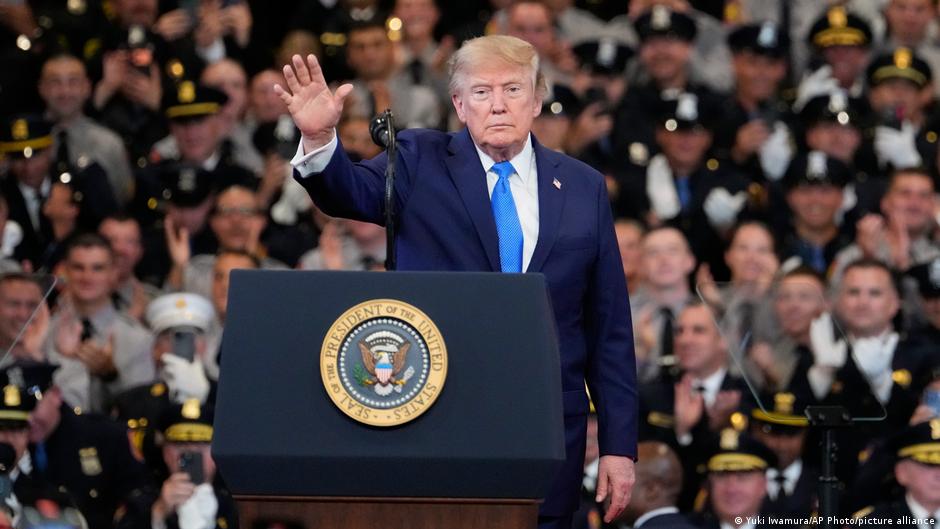
On August 17, 2020, US President Donald Trump publicly warned Oman that the United States would resort to bombing if the Sultanate interferes with Washington’s negotiations with Tehran over the strategic Strait of Hormuz. This statement highlights the intensifying geopolitical struggle for control over one of the world's most critical maritime chokepoints and signals potential shifts in US-Iran-Oman relations with broad economic repercussions.
Strategic Importance of the Strait of Hormuz and Oman’s Role
The Strait of Hormuz is a narrow passage connecting the Persian Gulf to the Gulf of Oman and the Arabian Sea, through which approximately one-fifth of the world's seaborne oil passes. Control and security of the strait are vital for global energy markets, and any disruption can cause significant economic turbulence worldwide.
Oman, geographically positioned on the southern shore of the strait, has traditionally maintained a neutral stance, often mediating between Iran and Western powers. Currently, Muscat is engaged in talks with Tehran regarding joint control over maritime traffic through the strait. However, these discussions have yet to yield a unified agreement, complicating US efforts to assert influence in the region.
“If Oman 'gets in the way' of US-Iran talks over the Strait of Hormuz, the United States will 'bomb the stupidity out of them,'” Trump told Fox News.
Negotiation Deadlines and Escalating Hostilities
The date August 17 marked the expiry of a 60-day negotiation window established by a Memorandum of Understanding signed by Trump in June during the G7 summit. The memorandum aimed to facilitate agreements between Washington and Tehran concerning sanctions relief, Iran’s nuclear program, and broader regional security issues.
Despite these diplomatic efforts, violent confrontations have resumed. In July, Iran attacked several vessels in the Strait of Hormuz, prompting retaliatory US airstrikes on Iranian targets. The US stated its goal was to degrade Iran’s capacity to threaten commercial shipping. Iran responded with missile strikes on military bases in neighboring Gulf countries, targeting American forces.
Trump’s comments signaling no intention to extend the negotiation deadline and his demand that Iran "raise the white flag and surrender" underscore the US’s hardline stance. This rhetoric, coupled with threats against Oman, suggests a willingness to escalate military pressure rather than prioritize diplomatic solutions.
Regional Diplomacy and Turkey's Mediation Proposal
Amid rising tensions, Turkish President Recep Tayyip Erdoğan contacted Trump on the same day, urging continuation of talks to defuse the regional crisis. Ankara offered to mediate the conflict, positioning Turkey as a potential broker in the Gulf’s volatile geopolitical landscape.
The Turkish presidential press release noted that Erdoğan and Trump also discussed the Gaza conflict, a defense pact involving Turkey, Saudi Arabia, and Pakistan, and bilateral US-Turkey relations. This multifaceted dialogue reflects the interconnected nature of Middle Eastern security concerns and the overlapping interests of regional powers.
Economic and Strategic Implications
The looming threat of military escalation around the Strait of Hormuz carries significant structural economic consequences. Disruption of oil shipments through the strait would exacerbate already volatile energy markets, potentially increasing global oil prices and affecting supply chains worldwide.
Historically, conflicts over the Strait of Hormuz have precipitated spikes in energy prices and heightened geopolitical risk premiums. The present standoff, punctuated by direct threats against a key regional player like Oman, risks undermining regional economic stability and complicating international efforts to ensure freedom of navigation.
Moreover, the US’s aggressive approach may alienate Gulf states whose cooperation is crucial for maintaining maritime security. Oman’s mediation role, long a stabilizing factor, could be compromised, further fracturing the fragile regional balance and entrenching divisions.
The ongoing US-Iran tension, exacerbated by unilateral threats and military actions, contrasts sharply with prior diplomatic efforts and highlights the challenges of achieving sustainable conflict resolution in the Middle East.