Ukraine Claims Strike on Russian Navy Ships and Infrastructure in Novorossiysk
Ukrainian military reports damage to four Russian naval vessels and critical infrastructure in a coordinated attack on the Black Sea port of Novorossiysk.
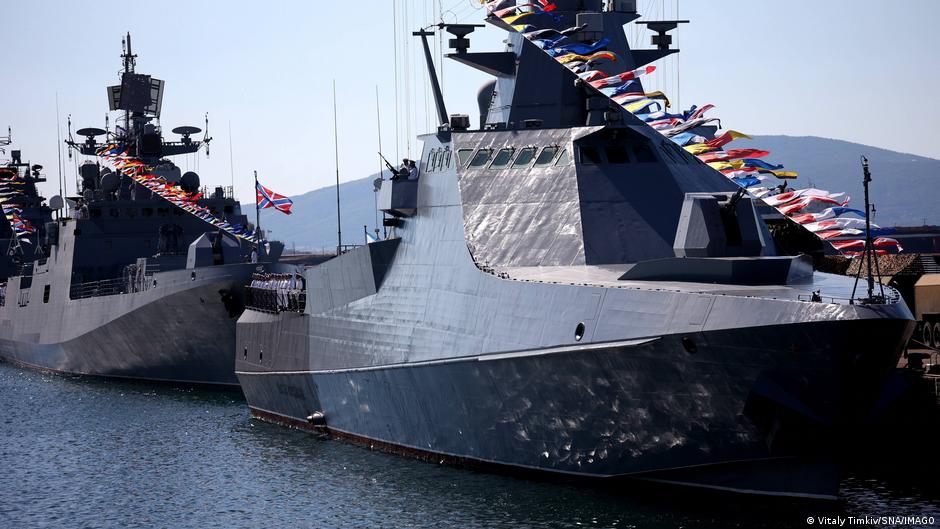
On August 12, the General Staff of the Armed Forces of Ukraine and the Security Service of Ukraine (SBU) announced a successful strike against Russian naval assets and infrastructure in the strategically important Black Sea port of Novorossiysk. The report details damage sustained by four Russian Navy vessels, including two missile-armed frigates, as well as hits on key port infrastructure.
Strategic Implications of the Novorossiysk Strike
According to Ukrainian sources, the affected Russian naval vessels include the frigates Admiral Essen and Admiral Makarov, both equipped with the Kalibr cruise missile system used extensively in the conflict to strike Ukrainian territory. Additional damaged vessels reportedly include the small missile ship Buyan-M and the patrol ship Vasily Bykov. The SBU also cited damage to other military and civilian targets, such as a radar station associated with the S-300 air defense system, the Grushovaya oil depot, a mobile fire group, and infrastructure at three port berths.
“Ukrainian drones, including Palyanitsa rocket drones, Neptune missiles, and strike systems launched from maritime platforms, precisely targeted the designated objectives,” the SBU stated.
This coordinated assault highlights Ukraine’s evolving capabilities in maritime and drone warfare, as well as its strategic intent to disrupt Russian military logistics and naval operations in the Black Sea region. By targeting vessels that serve as missile platforms for strikes on Ukrainian territory, Kyiv aims to reduce Russia’s offensive reach and degrade its naval power projection.
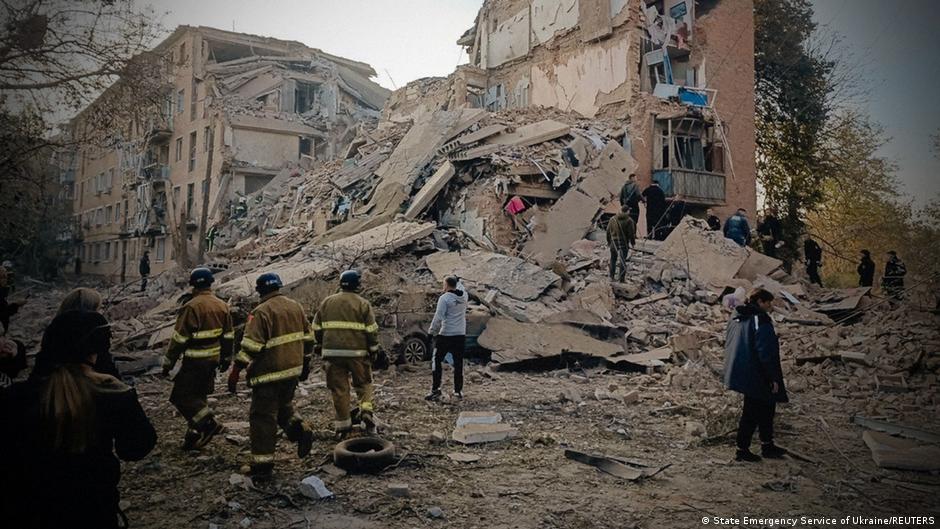
In addition to military targets, local Russian authorities reported significant damage to civilian infrastructure. The attack reportedly devastated the Novorossiysk grain terminal and the grain processing plant operated by PJSC NKHP, critical nodes in Russia’s agricultural export chain. Regional governor Veniamin Kondratyev confirmed three fatalities and 24 wounded, with damage to approximately 60 residential buildings in Novorossiysk. Debris from drones also struck homes in Gelendzhik, Anapa, and Temryuk districts, where authorities asserted that hundreds of drones were launched during the operation.
The Grushovaya oil depot, previously set ablaze in an attack on June 8, continues to be a focal point due to its connection to the Sheskharis maritime terminal. This terminal serves as the endpoint of Transneft’s main oil pipelines in the Krasnodar Krai region, underscoring the economic significance of these strikes beyond their immediate military impact.
Historical Parallels and Economic Ramifications
Ukraine’s targeting of Novorossiysk resonates with historical instances where naval bases and associated infrastructure became focal points in broader geopolitical conflicts. The disruption of critical maritime logistics recalls strategies used in World War II to undermine enemy supply chains and naval mobility. However, the integration of advanced drone and missile systems marks a new phase in asymmetric maritime warfare, where coastal facilities and naval assets are vulnerable to relatively low-cost, precise attacks.
Economically, the strikes threaten to exacerbate challenges in Russian grain exports, a sector already under significant strain due to sanctions and logistical constraints. Novorossiysk is a major hub for grain shipments, and damage to terminals and processing facilities could ripple through global food markets, increasing volatility and contributing to rising prices. Furthermore, the targeting of oil pipeline terminals highlights vulnerabilities in Russia’s energy export infrastructure, potentially constraining revenue streams crucial to sustaining its military operations.
From a structural perspective, these developments may signal a shift in the Black Sea’s strategic landscape. Russia’s naval dominance in the region faces new challenges from Ukrainian innovations in drone warfare and missile technology, which could compel Moscow to reassess its force posture and defensive priorities along its southern maritime frontiers.
In sum, the Novorossiysk strike exemplifies the growing interplay between military tactics and economic infrastructure in modern conflict, illustrating how targeted operations can inflict cascading effects that extend beyond immediate battlefield outcomes.