Ukraine Flags Russia’s Plans to Expand Military Mobilization and North Korean Support in 2026
Zelensky warns of Russia’s anticipated broader conscription efforts and increased military cooperation with North Korea amid ongoing war pressures.
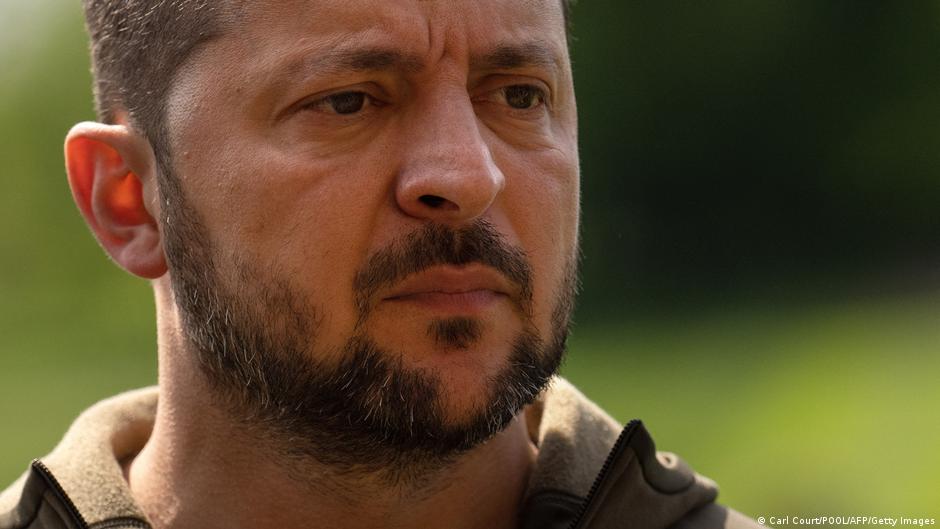
Ukrainian President Volodymyr Zelensky has revealed intelligence indicating that Russia intends to expand its military mobilization efforts in the autumn of 2026, signaling a potential escalation in its ongoing military campaign. According to Zelensky, Moscow also aims to recruit an additional 30,000 soldiers from North Korea, reflecting a deepening military collaboration between the two nations.
Expanding Mobilization: Implications and Context
Details about what exactly constitutes "expanded mobilization" remain unclear. Zelensky suggested that Russian President Vladimir Putin is preparing to forcibly conscript more Russian citizens into the armed forces. He noted that Russian authorities might use euphemistic language to obscure the reality of intensified draft measures.
"He is masking this with different words and signals, but he is preparing. It is important that we and our partners exert enough pressure on Russia so that thoughts of ending this aggression prevail over those of additional mobilization," Zelensky remarked.
The prospect of a broadened mobilization comes amid sustained heavy losses for Russian forces on the frontline. Zelensky highlighted that Russia currently loses more troops than it can replace, underscoring the Kremlin’s imperative to replenish its ranks.
North Korean Military Support: A Strategic Partnership
In addition to domestic conscription, Zelensky disclosed that from June, Russia’s Voronezh region is reportedly preparing to receive 30,000 North Korean soldiers. This significant influx points to a strategic deepening of military ties between Moscow and Pyongyang.
Beyond troop deployments, Ukraine’s president revealed that North Korea is poised to deliver new ballistic missile launchers to Russia. He described this cooperation as a direct threat to Asian countries within the range of North Korean missiles, emphasizing the broader regional security implications.
"Russia is helping North Korea to learn how to wage war," Zelensky stated, underscoring Moscow’s role in bolstering Pyongyang’s military capabilities amidst international sanctions and isolation.
Historical and Structural Economic Consequences
The planned expansion of conscription and reliance on foreign troops reflect deeper systemic challenges faced by Russia. The Kremlin’s inability to maintain troop levels through voluntary enlistment or domestic recruitment channels points to structural strains within Russia’s military-industrial complex and its wider economy.
Historically, protracted conflicts that compel states to expand conscription often correlate with significant social and economic dislocations. Russia’s partial mobilization initiated in late 2022 marked the first substantial effort to compensate for frontline casualties. The continuation of such policies into 2026 suggests enduring attrition rates and the failure to swiftly achieve strategic objectives.
Moreover, increasing dependence on North Korean military support may indicate Russia’s growing isolation from traditional arms suppliers due to sanctions and geopolitical pressure. This pivot not only affects Russia’s military logistics but could also exacerbate economic vulnerabilities given North Korea’s limited industrial capacity and the costs associated with integrating foreign troops.
Looking Ahead: Strategic and Economic Risks
The announcement raises critical questions about Russia’s capacity to sustain its war efforts without triggering significant domestic unrest. Expanding conscription may deepen societal fissures and accelerate economic decline by removing large numbers of working-age men from the labor force.
Furthermore, the international community faces complex challenges in managing the implications of Russia-North Korea military cooperation. Enhanced missile capabilities and troop deployments could destabilize regional security architectures in Asia, complicating diplomatic efforts to resolve multiple concurrent crises.
In the context of the ongoing conflict, these developments underscore the importance of coordinated international pressure aimed at encouraging de-escalation and a return to diplomatic negotiations. As Zelensky emphasized, shifting the focus from prolonged mobilization to peace is paramount.