US Lifts 50% Tariffs on Select Canadian Goods in Trade Reset
Washington is easing duties on key industrial inputs while taxing new consumer goods, reshaping rather than ending its dispute with Ottawa.
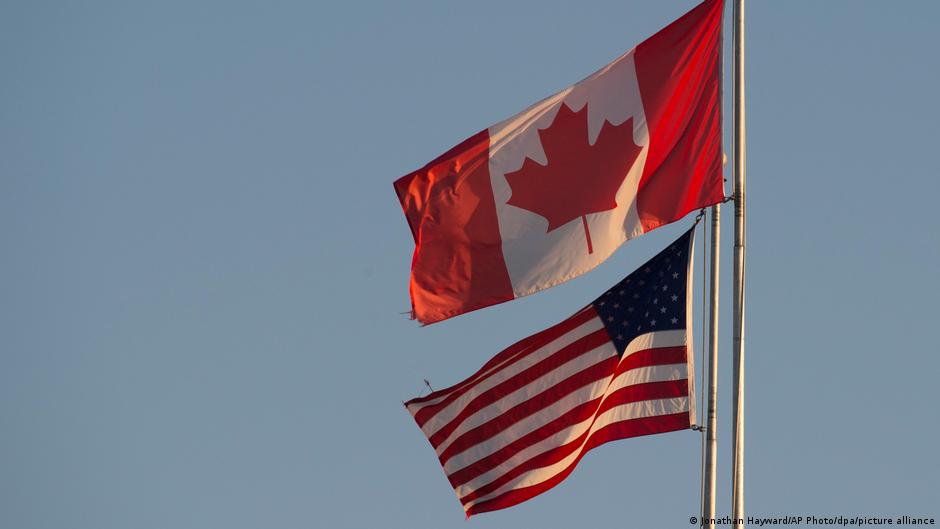
US President Donald Trump has ordered the removal of 50% customs duties on a range of Canadian goods from October 30, offering targeted relief to parts of the deeply integrated North American economy. The decision, signed on Friday, October 23, does not amount to a broad de-escalation, however: Washington has simultaneously imposed tariffs on other categories of imports from Canada.
The goods released from the 50% duties include plywood, certain paper products, machinery used by the pulp and paper industry, packing cases and cardboard boxes, as well as fresh and dried seaweed. Several of these products are industrial inputs or packaging materials whose costs can spread through supply chains, affecting manufacturers, distributors and retailers beyond the companies that import them directly.
The White House sought to balance the relief by adding a diverse group of Canadian products to its tariff list. The newly targeted categories include carpets, paints, shampoos, cocoa powder, wooden coffins, ice-cream sticks, air conditioners, freezers, archery products and canoes.
Tariff Relief Without a Broader Truce
The structure of the measure suggests a recalibration of trade pressure rather than a retreat from protectionism. Removing duties from machinery, wood products and packaging can reduce costs for US businesses that depend on Canadian supplies. Shifting tariffs toward selected finished or consumer-facing goods may allow the administration to maintain political leverage while limiting some of the disruption to industrial production.
That distinction matters because a 50% tariff is large enough to alter sourcing decisions, compress importers’ margins or push prices higher. For products embedded in manufacturing and logistics, the economic impact can multiply as higher input costs pass from one company to another. Relief for plywood, paper-industry equipment and packaging therefore has potential consequences well beyond the nominal value of the affected imports.
At the same time, the eclectic composition of the new tariff list—from household appliances and personal-care products to sporting equipment and funeral goods—creates a more dispersed burden. Individual sectors may face substantial disruption even if the broader macroeconomic effect is less concentrated. The shift also increases uncertainty for businesses, since the boundary between exempt and tariffed goods is being redrawn rather than stabilized.
Ottawa is ready to work “constructively and in good faith” toward a more mutually beneficial trade relationship that takes Canadian interests into account.
Canadian Intergovernmental Affairs Minister Dominic LeBlanc, who is also responsible for trade with the United States, said Ottawa was assessing Washington’s actions. His response leaves room for negotiation but also emphasizes that any settlement must reflect Canadian interests.
A Dispute Rooted in Political Friction
The conflict over the US-Canada trade arrangement, including reciprocal tariffs of 50%, has become one of the clearest signs of deteriorating relations between Washington and Ottawa since Trump returned to the presidency. The economic dispute has unfolded alongside unusually sharp political rhetoric. Trump has repeatedly raised the possibility of incorporating Canada into the United States as its 51st state.
The latest order follows an earlier escalation. At the end of September, the United States suspended imports of several Canadian products for an indefinite period. Those restrictions covered alcoholic beverages, beer, sparkling wine and whey, certain dairy products and motorcycles. Washington acted after Ottawa chose to respond in kind to higher US customs duties introduced in August.
This sequence illustrates the familiar escalation pattern of tariff conflicts: an initial measure prompts retaliation, which is followed by broader restrictions and then selective exemptions intended to contain domestic costs. Historically, such disputes can prove difficult to unwind because each tariff creates a constituency seeking protection and another demanding relief. Even when governments remove duties from particular goods, uncertainty over future policy can discourage investment and encourage companies to maintain more expensive backup suppliers.
Structural Costs for an Integrated Market
The deeper economic issue is the degree to which the two neighboring countries function through cross-border production networks. Tariffs imposed in such a setting do not fall neatly on a foreign producer alone. They can also affect domestic importers, factories using Canadian components, transport companies and consumers. The removal of duties on pulp-and-paper machinery and packaging materials appears to recognize that exposure.
Yet the addition of new categories means companies cannot treat the October 30 change as a return to predictable trade. Importers of air conditioners, freezers, paints and other listed goods must decide whether to absorb the tariffs, pass them into prices or seek alternative suppliers. Canadian exporters, meanwhile, face incentives to redirect sales or reconsider investment linked to the US market.
For Ottawa and Washington, the central question is whether selective tariff adjustments can open a path toward a broader settlement or merely institutionalize a cycle of sector-by-sector bargaining. The immediate order lowers pressure on several industrial supply chains, but it leaves the underlying dispute intact. Its lasting significance will depend less on the products moved between tariff lists than on whether the two governments can restore durable rules for one of the world’s most closely connected bilateral trading relationships.